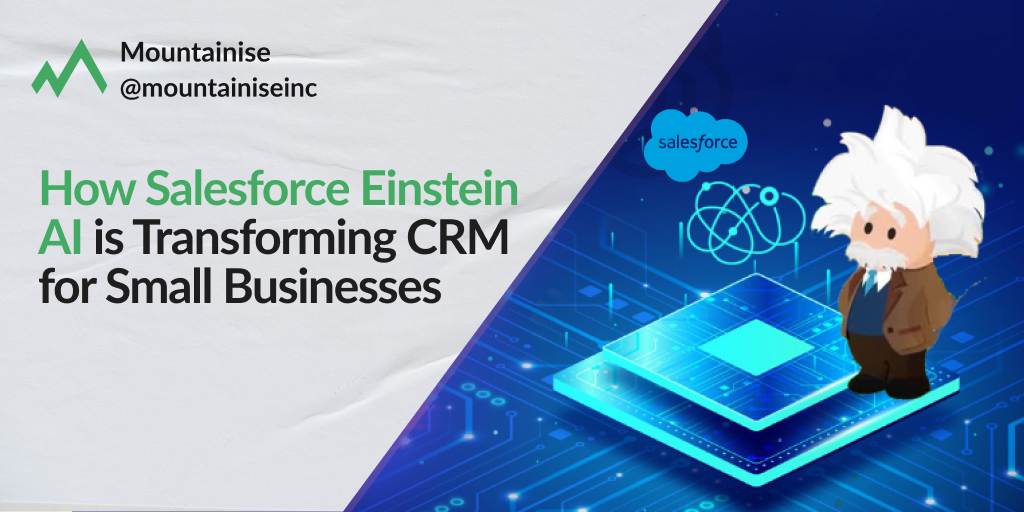



Exploring the Next Wave of AI-Driven Software Solutions
OpenAI is moving beyond its role as the engine behind ChatGPT, launching purpose-built SaaS products such as GTM Assistant, Inbound Sales Assistant, and DocuGPT. This marks a defining moment in AI SaaS disruption in the UK, prompting executives, product and tech leaders, and investors to rethink how competitive advantage is created. OpenAI Targets UK SaaS highlights the companies in the firing line and the opportunities emerging for UK SaaS firms.
The shift is reshaping software development, distribution, and monetisation, bringing model makers closer to end users. OpenAI’s SaaS strategy amplifies the AI impact on the UK software industry, signalling a strategic inflection point for partnerships, innovation, and data governance.
For UK SaaS executives, this is more than a technological shift. AI-native competition is accelerating workflow automation, personalisation, and decision-making across sectors. Platforms are evolving from feature-heavy software into intelligent assistants capable of learning from user interactions and delivering actionable insights. The question for UK firms is whether they will shape this transformation or be left behind.
OpenAI’s Strategic Shift: From Platform to Product
For years, OpenAI acted as an enabler. Developers integrated GPT capabilities into their products, enterprises licensed the API, and startups built businesses atop OpenAI's infrastructure. The company appeared content to provide the engine while others built the cars, creating a balance where OpenAI profited from infrastructure rather than competing directly with end customers.
That equilibrium changed in September 2025. OpenAI unveiled internally developed tools, positioning itself as both partner and competitor in the UK SaaS market. These were fully operational products addressing sales, operations, and legal workflows rather than experimental demos.
Examples of UK SaaS innovation include:
- GTM Assistant: A Slack-based tool centralising account context and expert knowledge. It streamlines research, meeting preparation, and product Q&A. Sales representatives report a 20 per cent productivity boost, roughly one extra day per week to spend with clients. Beyond time savings, it captures top sales performers’ methods and shares them across teams.
- Inbound Sales Assistant: Personalises responses for every lead, answers product and compliance questions instantly, and routes qualified prospects with full context. Iterative training boosted accuracy from 60 per cent to 98 per cent, unlocking significant recurring revenue.
- DocuGPT: Converts contracts into structured, searchable data, allowing finance and legal teams to conduct reviews faster. Tasks that once took days now take hours, improving operational efficiency.
As per the Financial Content report, These tools initially addressed OpenAI’s internal operational challenges, but their impact on the UK SaaS ecosystem has been profound. OpenAI now competes directly with companies such as HubSpot in sales enablement, Salesforce in CRM functionality, DocuSign in contract management, and ZoomInfo in data intelligence.
Being both partner and competitor has created new dynamics for UK SaaS players, from fintech scale-ups in London to B2B platforms in Manchester and Edinburgh. The AI stack is compressing, and OpenAI is moving ever closer to the end user.
The Disruption Map: Identifying Those at Risk
Not all SaaS verticals face the same level of AI exposure. Some sectors are under immediate pressure:
- Sales and Marketing Automation: HubSpot and Salesforce built businesses on complex workflows now automatable with AI. Lead scoring, email personalisation, account research, and meeting prep are streamlined by intelligent agents. OpenAI’s tools directly target these functions, reducing dependency on expensive enterprise software and lengthy implementation cycles.
- Contract and Document Management: DocuSign eliminated paper processes, creating a multibillion-pound market. DocuGPT goes further by extracting data, structuring contracts, and enabling natural language queries. AI can draft, revise, analyse, and execute contracts with minimal human input.
- Data and Intelligence Platforms: ZoomInfo aggregates contact data to inform sales teams. AI solutions can now generate insights in real time, produce targeted prospect lists on demand, and render static databases less valuable.
UK SaaS firms in CRM, legal tech, and data platforms must rethink positioning to maintain competitiveness. For investors, this is reshaping valuation frameworks, prioritising AI-native efficiency over traditional feature-rich platforms. Companies previously valued for functionality may find speed and adaptability outweigh depth.
The Opportunity Side: UK SaaS Advancements in the Era of AI
Disruption creates opportunity for UK SaaS firms that combine niche domain expertise with AI. Generic workflows may commoditise, but tailored, sector-specific solutions remain highly valuable.
- Fintech Platforms: Challenger banks require compliance with Financial Conduct Authority regulations, integration with open banking systems, and connections to the UK faster payments infrastructure. AI enhances operational efficiency without compromising regulatory adherence.
- Healthtech Platforms: NHS-focused SaaS must meet Care Quality Commission standards and patient data protection requirements. AI augments workflows rather than replaces human expertise, enabling smarter processes and faster adaptation.
Local compliance is also a market differentiator. GDPR and UK data residency provide UK firms a trust advantage over US competitors navigating European data law. Positioning as a secure, local partner cannot be replicated by technical capability alone.
Practical Recommendations:
- Integrate AI into workflows rather than compete with foundational models.
- Use AI to automate compliance reporting, predict customer churn, and guide platform users.
- Optimise platforms for AI discovery using structured, machine-readable data, clear documentation, and AI-friendly design.
Investors are increasingly evaluating UK SaaS on AI integration, infrastructure value, and defensibility based on proprietary data and domain expertise. Partnering with services like Skale Global can accelerate adoption, improve visibility, and maximise ROI.
Digital Marketing as a Growth Engine in the AI Era
Even amid AI disruption, fundamentals of growth marketing remain vital: visibility, credibility, and engagement. AI enhances targeting but does not replace storytelling.
Key Tactics for UK SaaS:
- SEO services to dominate search results for AI and sector-specific queries.
- AI optimisation for smarter campaign targeting and reduced acquisition costs.
- Content development to demonstrate thought leadership and real-world impact.
- Social media engagement to position leaders as visionary experts.
Services from partners such as Skale Global help orchestrate SEO, AI optimisation, content, and social media into a cohesive growth strategy. For UK SaaS, this is the modern playbook for digital marketing in an AI-driven market.
Buy or Build: Navigating AI Opportunities
UK SaaS firms face a strategic choice: integrate OpenAI models or build proprietary AI. Both have trade-offs:
- Buy: Fast deployment, predictable costs, access to advanced AI.
- Build: Greater control, IP ownership, differentiation.
- Hybrid: Use OpenAI for general capabilities, proprietary models for domain-specific intelligence.
Hybrid strategies balance speed and defensibility. For example, a healthcare platform can use OpenAI for text processing but build a UK-specific clinical model. Fintech firms can combine OpenAI APIs with custom fraud detection trained on UK banking data.
The decision impacts valuation, scalability, and competitiveness. Integrating with SEO, AI optimisation, and social media optimisation and marketing ensures maximum adoption and ROI.
The New SaaS Playbook: Thriving in an AI-Driven World
The competitive frontier is shifting from feature sets to data richness, adaptability, and user experience.
Key Principles:
- Embed AI to optimise operations and resource allocation.
- Use real-time analytics for rapid product iteration.
- Personalise onboarding and customer journeys to reduce churn.
- Apply AI optimisation for smarter acquisition and retention.
Early UK examples include fintech platforms improving credit decisions with machine learning and healthtech firms enhancing patient workflows while remaining GDPR compliant.
A new mindset is required: treat AI as core infrastructure, focus on high-impact use cases, measure business outcomes, and embrace rapid iteration.
The Path Forward: How UK SaaS Can Thrive
OpenAI’s rise is redefining the UK SaaS landscape. Agile, innovative, and specialised firms are best positioned to capitalise on AI. Success requires more than technology:
- Clear AI-augmented value propositions.
- Operational excellence with measurable outcomes.
- Strategic visibility, marketing, and user engagement.
Leaders must make confident decisions on target markets, differentiation, and capability development. Partnering with experts such as Skale Global can translate innovation into tangible growth through SEO, AI optimisation, content, and social strategies.
The winners will combine AI innovation with strong digital strategy. Those who hesitate risk falling behind in the AI-first UK SaaS market.



CartUp AI is a cutting-edge AI solution for e-commerce.
It is a SaaS solution that delivers immediate e-commerce sales growth through powerful AI.
By deploying CartUp AI within their e-commerce platform, e-commerce merchants will improve e-commerce conversion and upsell through recommendations and Ecommerce Personalized search.