

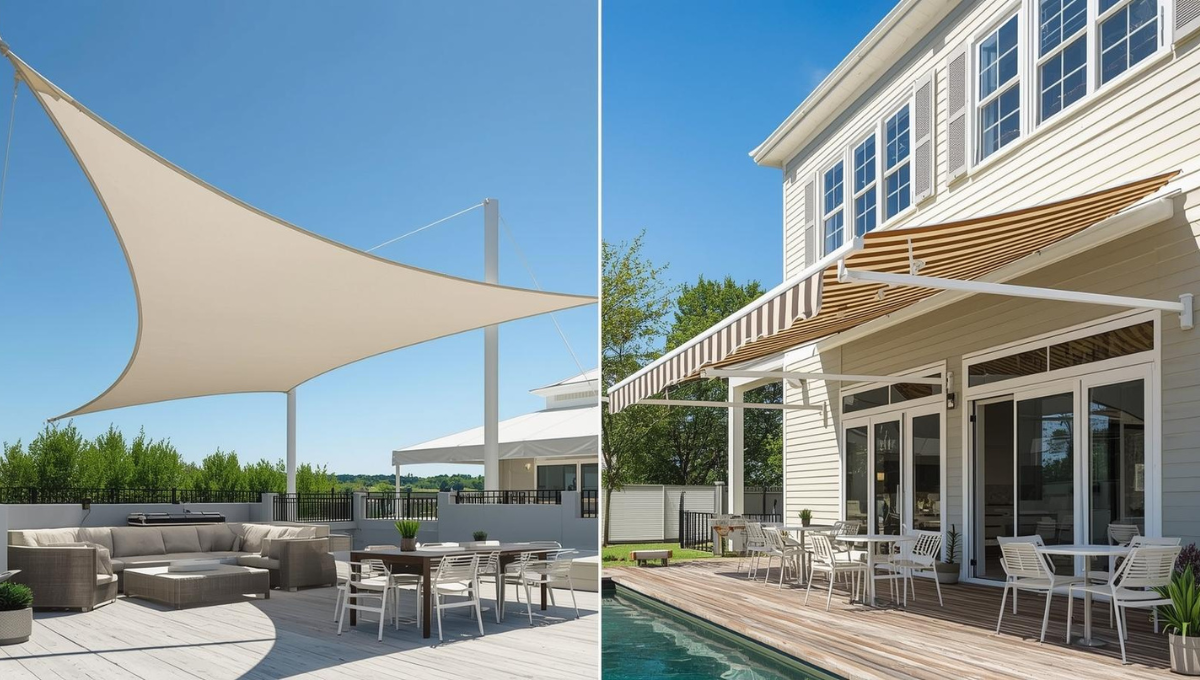
Outdoor living is a way of life across Australia. From backyard BBQs and poolside relaxation to alfresco dining and garden lounging, the right shade can transform an outdoor space into a year-round comfort zone. Among the most popular shade solutions today are outdoor sails and traditional awnings—both designed to protect, enhance, and elevate your outdoor experience.
Each brings its own distinct style and functionality. Choosing between them isn’t about which is “better,” but rather, which aligns more closely with your lifestyle, home design, and space requirements. Let’s explore how these two solutions excel in their own ways.
What Are Outdoor Sails?
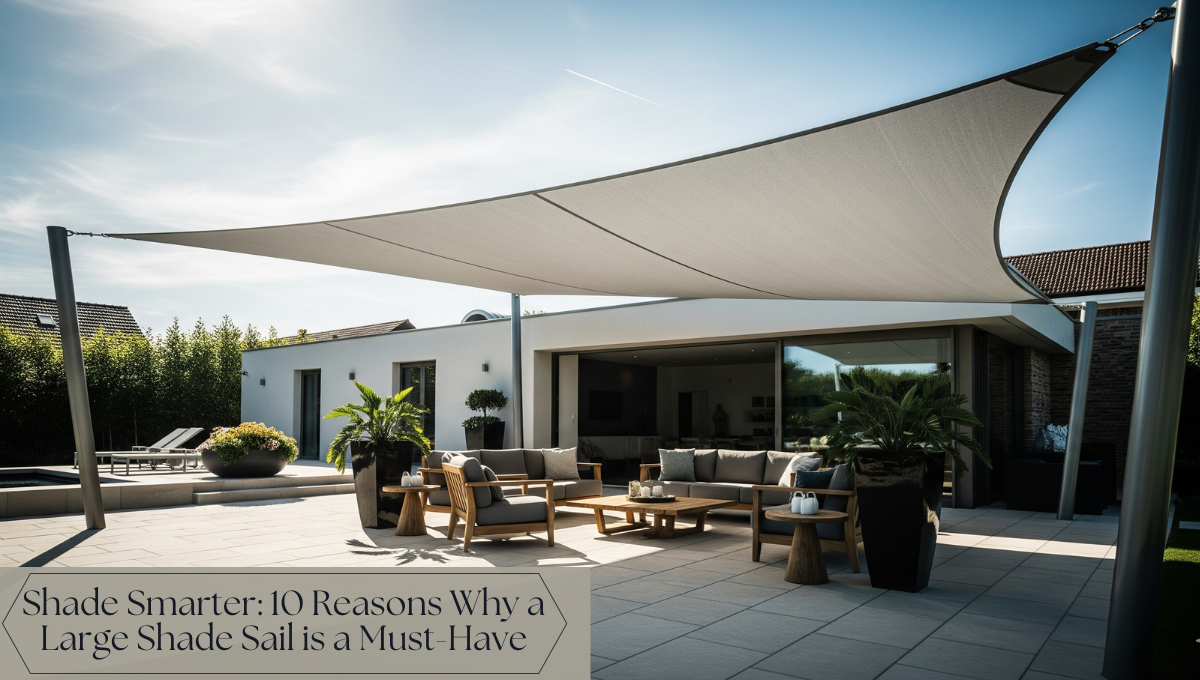
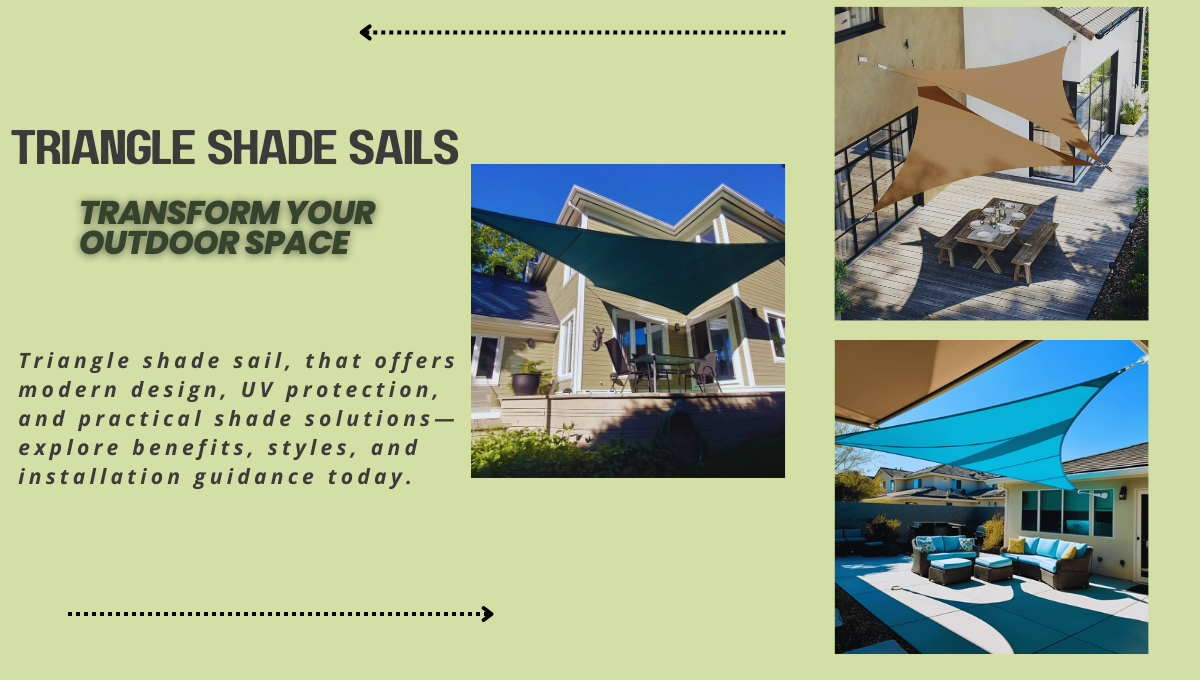
Outdoor sails are modern, architectural shade structures inspired by nautical design. Their sleek, triangular or rectangular shapes stretch elegantly between mounting points to create airy, open coverage that enhances any outdoor setting.
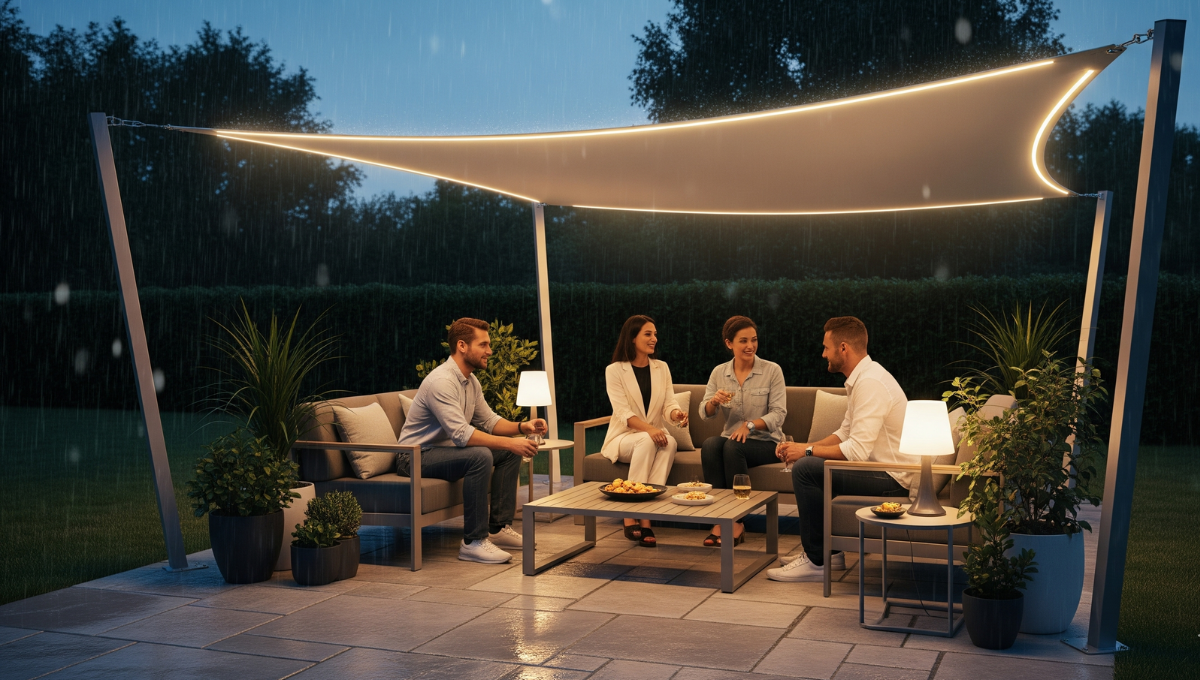
Typically made from high-quality shade cloth fabric, these sails combine aesthetic appeal with practical functionality—providing shade, UV protection, and even water resistance when crafted from premium materials.
Why Outdoor Sails Stand Out
- Modern Appeal: Their sculptural shapes and tensioned design add a contemporary edge to patios, pool areas, and courtyards.
- Custom Fit: Perfect for irregular or large spaces where traditional coverings may not suit.
- Durability: Built with UV-stabilised or water-resistant fabrics designed for the harsh Australian climate.
- Easy Maintenance: Minimal moving parts mean less wear and tear and easy cleaning with mild soap and water.
- Flexible Coverage: Available in a range of colours, shapes, and fabrics, letting you tailor the look to your space.
Outdoor sails are particularly loved for their ability to create a cool, inviting environment without blocking airflow. Whether it’s a backyard playground, carport, or café forecourt, these versatile sails blend art and function beautifully.
What Are Traditional Awnings?
Traditional awnings have long been a staple of Australian architecture. These fixed or retractable coverings extend from walls or windows, offering dependable shade and rain protection for decades.
Made from sturdy materials such as acrylic, canvas, or premium shade cloth fabric, awnings provide structure and uniformity. They are ideal for those who prefer a clean, refined, and timeless look that complements both classic and contemporary homes.
Features That Make Awnings a Classic Choice
- Timeless Design: Their neat, framed style enhances both modern and heritage-style buildings.
- Flexible Function: Available in fixed, retractable, or motorised options for convenient control.
- Weather Protection: Designed to shield windows, patios, and decks from harsh sunlight and rain.
- Material Variety: Options include breathable shade cloth, durable acrylic, or waterproof canvas.
- Energy Efficient: Helps reduce heat entering through windows, improving indoor cooling efficiency.
Awnings are particularly popular for patios, verandas, and commercial storefronts—offering reliable performance and a polished finish that complements any exterior design.
Style and Aesthetic Appeal of Outdoor Sails vs Traditional Awnings
Both outdoor sails and traditional awnings have their own visual charm, catering to different design preferences.
Outdoor sails bring a modern, architectural flair to open spaces. Their floating, angular design creates a light and breezy aesthetic—perfect for coastal homes, garden courtyards, or modern minimalist spaces. They can be arranged in layered or intersecting patterns to add depth and drama.
In contrast, traditional awnings project a sense of order and refinement. Their framed construction and straight lines suit homes with a more classic or structured layout. Awnings also offer a great way to unify the look of multiple windows or outdoor living zones.
Whether you lean toward the sculptural creativity of outdoor sails or the timeless charm of awnings, both elevate the visual character of your property.
Installation Flexibility and Space Suitability
When it comes to installation, outdoor sails shine in versatility. Their design allows them to be anchored between poles, walls, or even trees—making them adaptable for spaces of all shapes and sizes.
Outdoor Sails Are Ideal For:
- Pool areas and playgrounds where airflow and UV protection matter most.
- Large patios, courtyards, or car parks with irregular layouts.
- Spaces requiring a striking visual feature without permanent fixtures.
Traditional awnings, on the other hand, excel in structured installations. They attach directly to walls or frames, providing reliable and precise coverage where shade is needed most.
Awnings Work Best For:
- Verandas, windows, and balconies needing directional shade.
- Alfresco dining spaces where retractable options offer flexibility.
- Commercial areas like cafés or shopfronts that require weather protection.
Both solutions can be tailored to your space, but outdoor sails often offer more creative freedom in shape and tensioning, while awnings deliver precision and predictability.
Weather Protection and Fabric Performance
In Australia’s unpredictable climate, the strength and quality of your shade material matter. Both outdoor sails and awnings are designed to perform well year-round, but their fabric compositions and benefits can vary slightly.
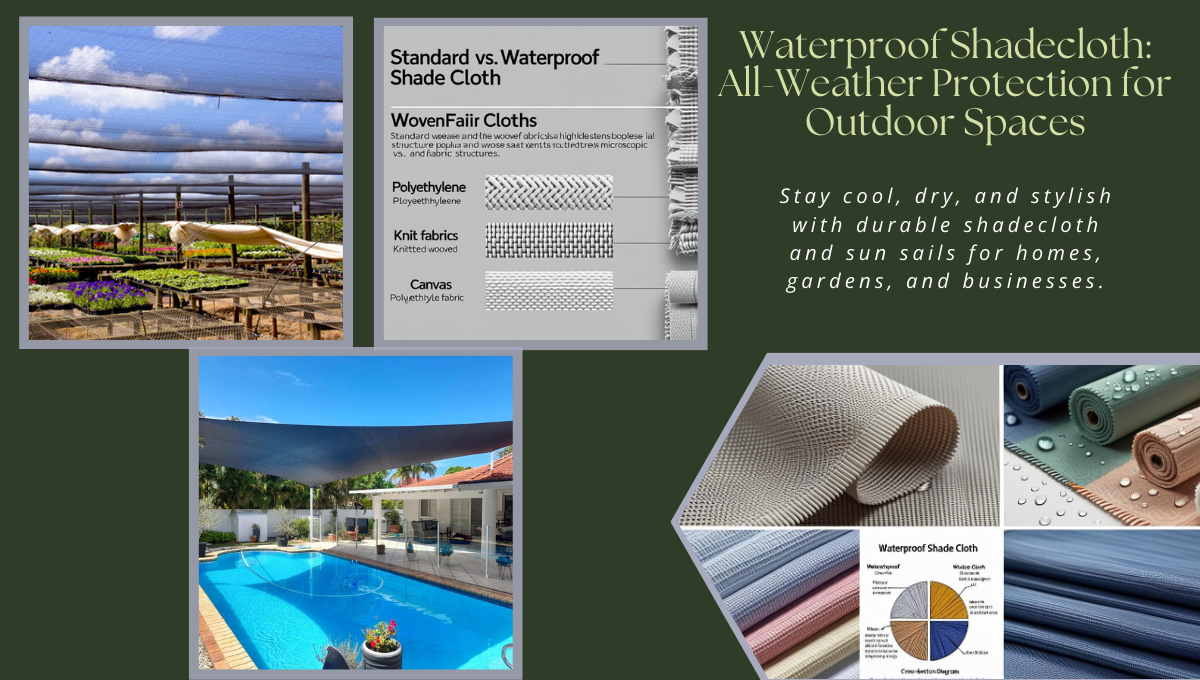
Outdoor sails often use high-density polyethylene (HDPE) or PVC-coated fabrics that are UV-stabilised and breathable. Premium options include water-resistant shade cloth, which provides added protection against light rain while still allowing airflow.
Meanwhile, awnings frequently use acrylic canvas or heavy-duty shade cloth fabric designed for superior UV blocking and weather resistance. The structure beneath provides an extra layer of stability, making awnings excellent for targeted protection around doors and windows.
Both Options Offer:
- High UV protection (up to 98%)
- Long-lasting colourfastness
- Resistance to mould, mildew, and tearing
- Reliable performance across Australian seasons
Whether you choose outdoor sails for their open-air comfort or awnings for their framed precision, both ensure lasting performance and protection.
Functionality and Maintenance
One of the reasons homeowners love outdoor sails is their low-maintenance design. With no mechanical parts, they require little attention—simply tensioned and ready to go. Occasional cleaning with a soft brush and mild detergent keeps them looking fresh for years.
Traditional awnings, especially retractable ones, provide greater control over shade and sunlight. Modern systems include motorised or sensor-based retraction for ease of use, combining functionality with convenience.
Maintenance Tips for Both:
- Clean fabric surfaces periodically to prevent dust and debris buildup.
- Inspect fittings and tension points annually.
- Use mild, non-abrasive cleaning solutions.
- Remove stains early to preserve colour vibrancy.
Both are durable, but outdoor sails often have a longer visual lifespan since they resist sagging and frame corrosion.
Cost Efficiency and Long-Term Value
While prices depend on material, size, and installation, both options deliver impressive long-term value. Outdoor sails generally offer larger coverage for less structural cost, making them ideal for open or irregular areas. Awnings, while sometimes a higher initial investment, provide enhanced control and energy efficiency by shading windows and reducing indoor heat.
Long-Term Value Factors to Consider:
- Durability of materials (UV stability, stitching quality)
- Resistance to local weather conditions
- Energy savings from cooler interiors
- Aesthetic enhancement that boosts property value
Both options promise returns in comfort, energy savings, and outdoor appeal—making them wise investments for homeowners who want shade solutions that truly last.
Choosing the Right Shade Solution for Your Space
Selecting between outdoor sails and traditional awnings depends on how you use your outdoor area and the overall style of your home.
Choose outdoor sails if you want:
- A modern, flexible, and visually dynamic design.
- Shade for large, open, or irregular spaces.
- Minimal maintenance with strong weather resistance.
Opt for traditional awnings if you prefer:
- A structured and classic appearance.
- Retractable options for controlled shading.
- Defined coverage for windows, decks, or verandas.
Both are highly customisable, durable, and tailored to enhance comfort and functionality. It’s less about which one is better and more about which one fits your space and lifestyle best.
Conclusion
In the end, both outdoor sails and traditional awnings stand out as brilliant solutions for creating comfortable, shaded outdoor areas. Outdoor sails bring a modern, sculptural elegance to open spaces, while awnings add classic style and dependable functionality to more defined areas.
Whether it’s a breezy garden retreat or a cosy patio corner, choosing the right shade structure can redefine how you enjoy the outdoors. With today’s range of fabrics, colours, and designs—including premium shade cloth fabric and water-resistant options—you can be confident your investment will deliver lasting comfort, beauty, and protection under the Australian sun.