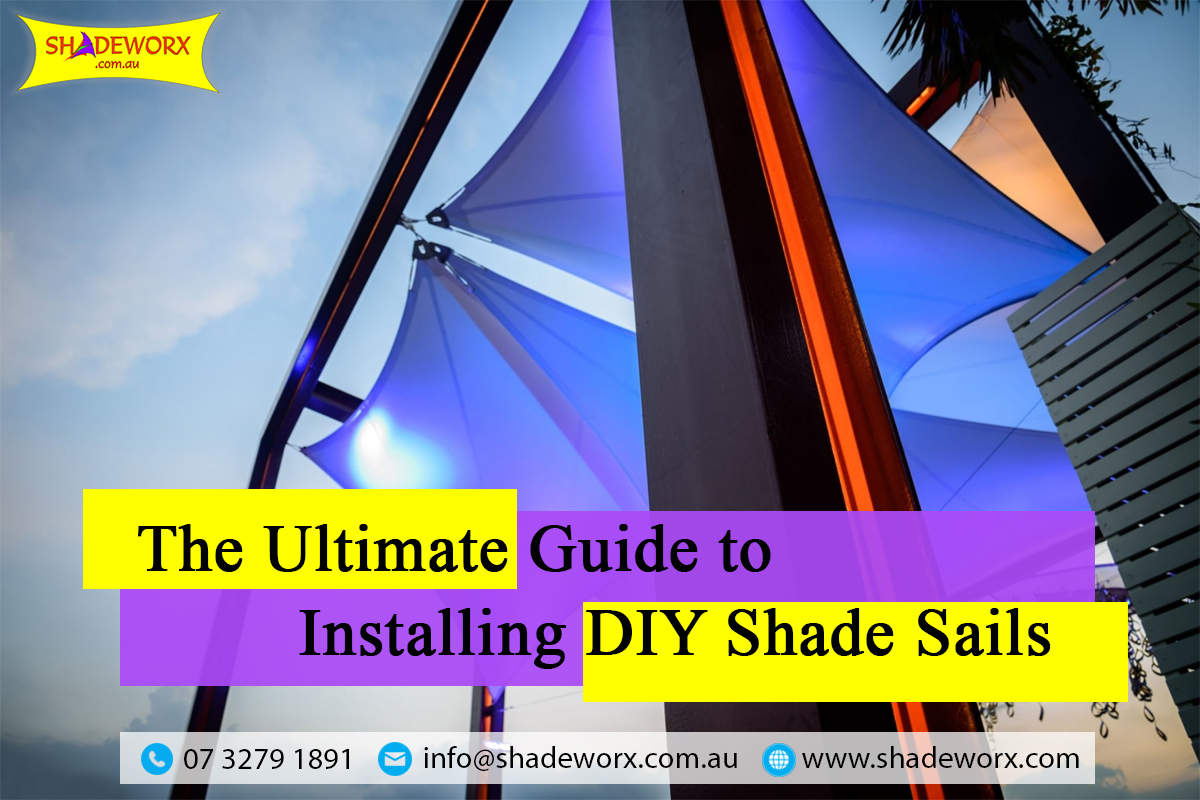


A swimming pool is often the centerpiece of an Australian backyard, especially during the warmer months. It’s a place for relaxation, family time, and entertaining. However, without adequate shade for swimming pool areas, your outdoor oasis can quickly become uncomfortable or even unsafe.
In a climate where UV levels frequently reach "Extreme" ratings, installing the right shade sails or fixed structures is about more than just aesthetics—it’s about creating a balanced environment where comfort, safety, and design coexist. This guide explores everything you need to know about selecting, planning, and installing the perfect shade solution.
Why Shade for Swimming Pool Areas is Essential for Australian Homes
Australian summers are legendary for their intensity. Because pools are often located in open areas to catch the sun for water temperature, the surroundings (like tiles, pavers, or timber decking) act as heat sinks.
1. Managing UV Exposure and Poolside Comfort
High UV radiation doesn't just cause sunburn; it creates "ambient heat" that makes it hard to breathe and relax by the water. By installing shade for swimming pool zones, you can lower surface temperatures by up to 15°C. This makes the area safer for children and pets who may have sensitive skin or paws.
2. Extending the Usable Hours of Your Pool
Without proper coverage, most families abandon their pools between 11:00 AM and 3:00 PM—the exact time when you want to be swimming most. Shade sails allow you to enjoy your investment all day long, providing a "UV-safe window" even during the solar noon.
3. Protecting Your Investment
Constant sun exposure is the enemy of longevity. UV rays cause:
- Fading of pool liners and specialized tile grouting.
- Cracking and warping of timber decking.
- Brittle outdoor furniture and umbrellas.
- Rapid evaporation of pool chemicals (chlorine dissipates faster in direct sunlight).
Exploring Popular Shade Structure Options
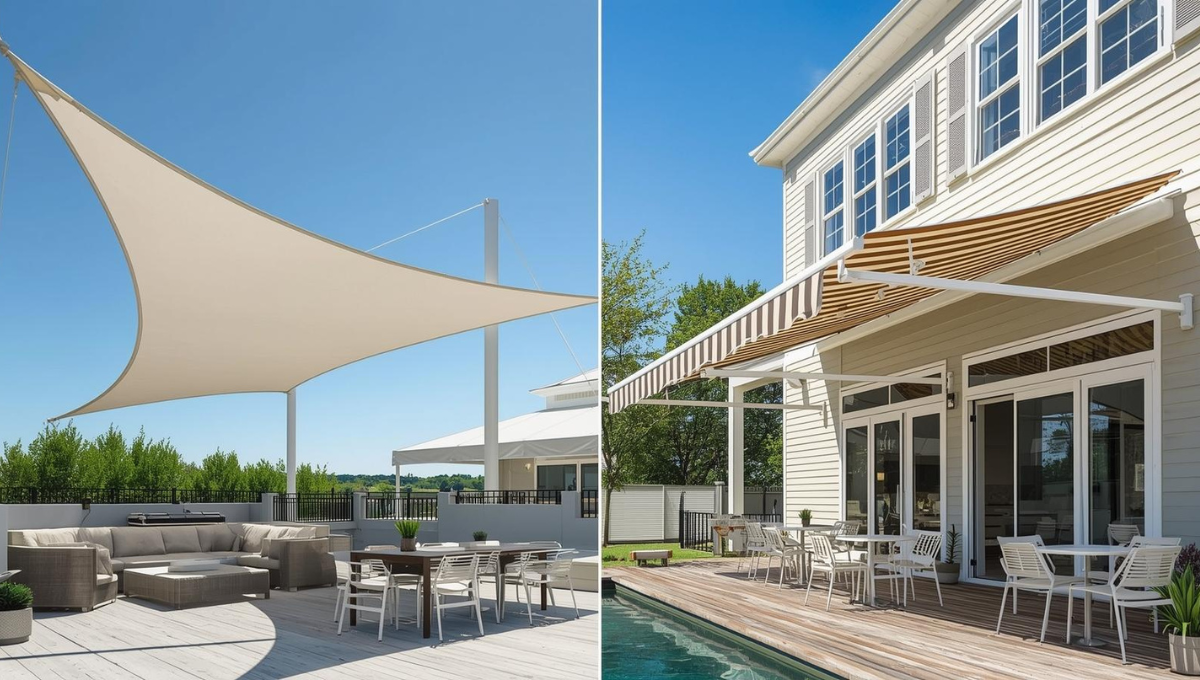
When looking for the best shade for swimming pool setups, you generally have three categories to choose from. Your choice depends on your budget, wind speeds in your area, and the architectural style of your home.
1. Shade Sails
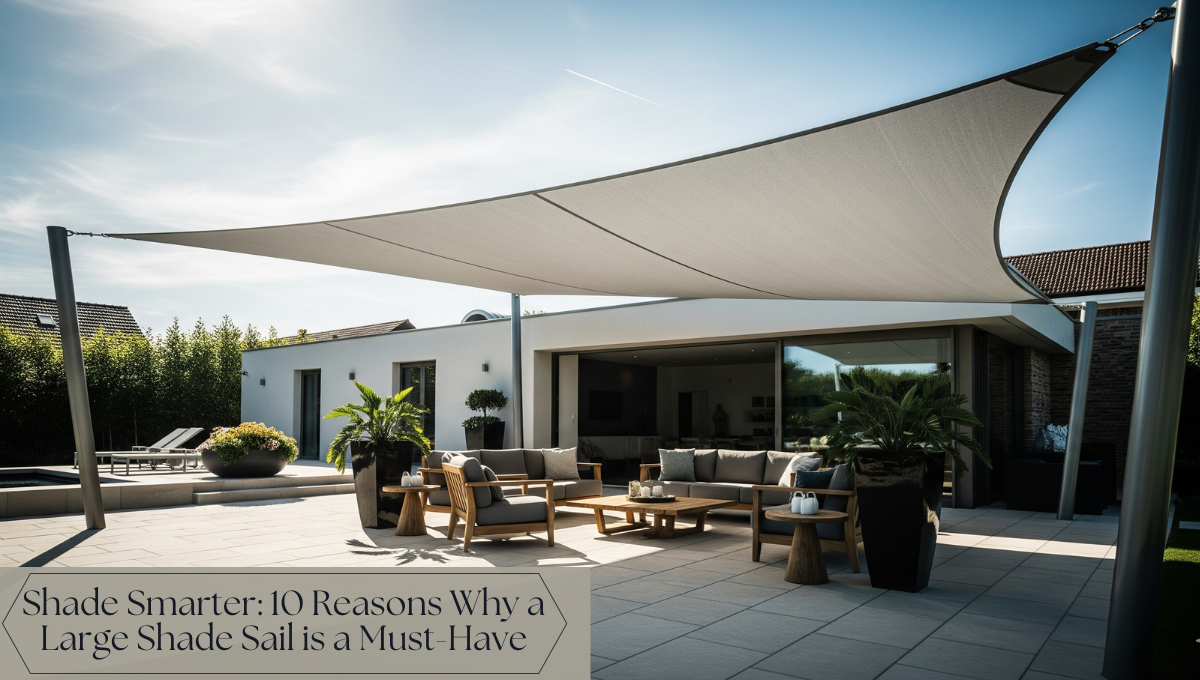
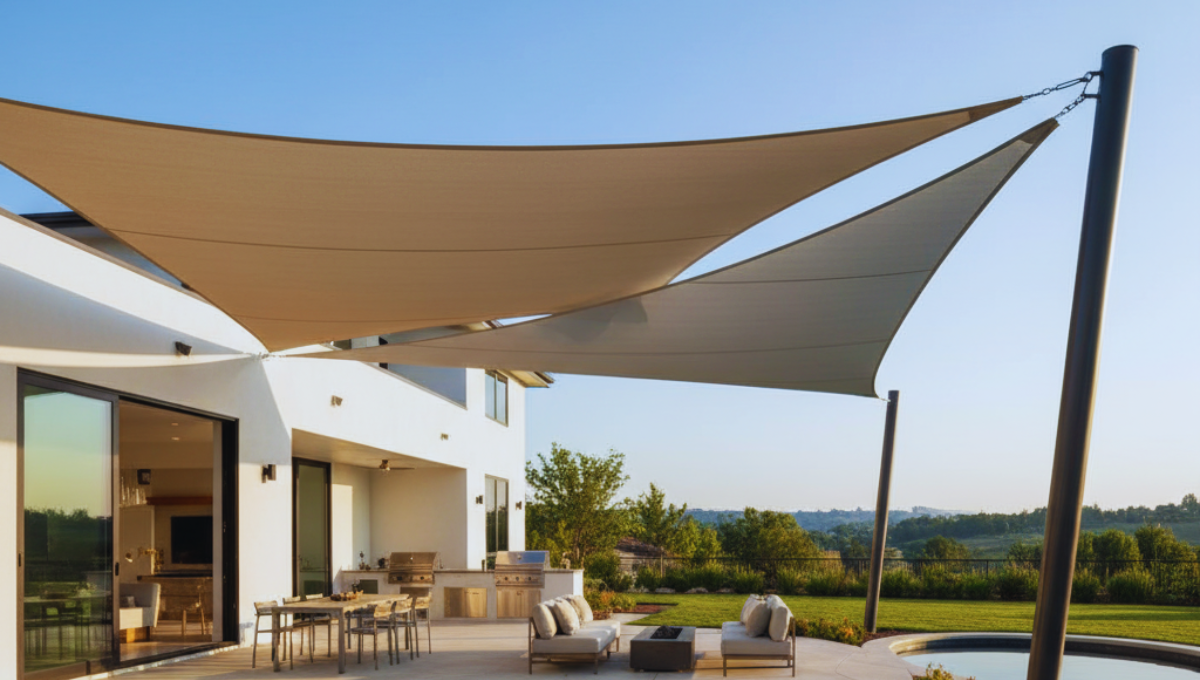
Shade sails are the most popular choice in Australia. They consist of high-density polyethylene (HDPE) fabric tensioned between stainless steel posts or wall brackets.
- Pros: Highly customizable, excellent airflow, modern look.
- Best for: Large, irregularly shaped pools.
2. Fixed Permanent Structures (Pergolas and Gazebos)
These involve timber or aluminum frames with solid or slatted roofs.
- Pros: Total rain protection (if roofed), increases property value.
- Best for: Outdoor kitchens and integrated poolside dining.
3. Cantilever Umbrellas
A heavy-duty, side-post umbrella that can rotate 360 degrees.
- Pros: Mobile and flexible.
- Best for: Renters or small plunge pools.
Planning Your Shade for Swimming Pool Installation
Success in SEO and construction both require a solid foundation. Before you dig a single hole, consider these technical factors:
Assessing Sun Movement and Orientation
The sun doesn't stay in one place. You must track the sun’s path during January (peak summer). A shade sail installed directly over the pool might provide zero shade on the water at 3:00 PM if the angle is wrong.
Pro Tip: Use a "Sun Seeker" app to visualize where the shadows will fall at different times of the day.
Wind Loads and Local Weather
In coastal areas like the Gold Coast or Perth, "wind lift" is a major factor. Your shade sails act like a giant kite. If your posts aren't engineered for your specific wind region (Region A, B, C, or D in Australia), the structure could fail during a storm.
Material Selection: Quality Over Price
Don't be tempted by cheap, hardware-store "ready-made" sails. For a pool environment, you need:
- Commercial Grade Cloth: Look for 300+ GSM (grams per square meter).
- Marine Grade 316 Stainless Steel: To prevent rust from pool chlorine and salt spray.
- UV Block Rating: Aim for 95% or higher.
Step-by-Step: How to Install Shade Sails for Your Pool
If you are a confident DIYer or supervising a contractor, these are the critical steps for a professional-grade installation of shade for swimming pool areas.
Step 1: Layout and Geometry
Mark out your post locations. For shade sails, avoid "flat" designs. You want a "Hypar" (Hyperbolic Paraboloid) design, where two corners are high and two are low. This creates a 3D twist that prevents the fabric from flapping in the wind.
Step 2: Excavation and Post Installation
Posts are the backbone of your system.
- Depth: Generally, a 3-meter post requires a hole at least 800mm to 1000mm deep.
- Concrete: Use 25MPa concrete. Ensure the posts are leaned away from the center of the sail by 5 degrees to account for the tension that will pull them inward later.
Step 3: Fixing Points on Buildings
If attaching to your house, ensure you are fixing into studs or rafters, never just the fascia board. Use "fascia supports" that tie the load back to the internal roof trusses.
Step 4: Attaching and Tensioning
Once the concrete has cured (usually 48–72 hours), attach your shade sails using turnbuckles.
The "Thrum" Test: A properly tensioned sail should be as tight as a drum. If you can move the center of the sail easily by hand, it is too loose and will wear out prematurely.
Design Considerations for Functionality
Creating Defined Zones
Think of your pool area as a collection of distinct outdoor spaces, each designed for a different purpose.
- The Splash Zone: Partially shaded for kids.
- The Lounging Zone: Fully shaded for reading and napping.
- The Sun Zone: Kept open for those who want to work on their tan (safely).
Balancing Shade and Openness
A common mistake is covering the entire pool. This can lead to the water becoming too cold, even in summer, and can make the backyard feel cramped. Aim for 40–60% coverage to maintain a breezy, open aesthetic.
Maintenance: Keeping Your Shade Structures Like New
Installing shade for swimming pool protection isn't a "set and forget" task. To get 10–15 years out of your investment, follow this schedule:
- Quarterly Cleaning: Use a garden hose and a mild detergent. Never use a pressure washer, as it can tear the fibers of the shade sails.
- Check Tension: Every six months, tighten the turnbuckles.
- Inspect Hardware: Look for "tea staining" (brown spots) on stainless steel and treat it with a specialized cleaner.
- Storm Prep: If a cyclone or severe storm warning is issued, remove the fabric sail to prevent structural damage to your home or posts.
Why Professional Installation Often Wins
While DIY is possible, many homeowners opt for professional installation for three reasons:
- Underground Services: Professionals use "Dial Before You Dig" to ensure they don't hit pool plumbing or electrical lines.
- Council Approval: In some Australian jurisdictions, structures over a certain size require a building permit. Professionals handle the paperwork.
- Warranty: A professional install usually comes with a 10-year warranty on both the fabric and the workmanship.
Conclusion
Installing a high-quality shade for swimming pool area is one of the smartest upgrades you can make to your Australian home. Whether you choose the architectural elegance of shade sails or the sturdy permanence of a pergola, the goal is the same: protection, comfort, and longevity.
By following the right planning and installation steps, you transform your backyard into a year-round retreat that adds significant value to your property.