

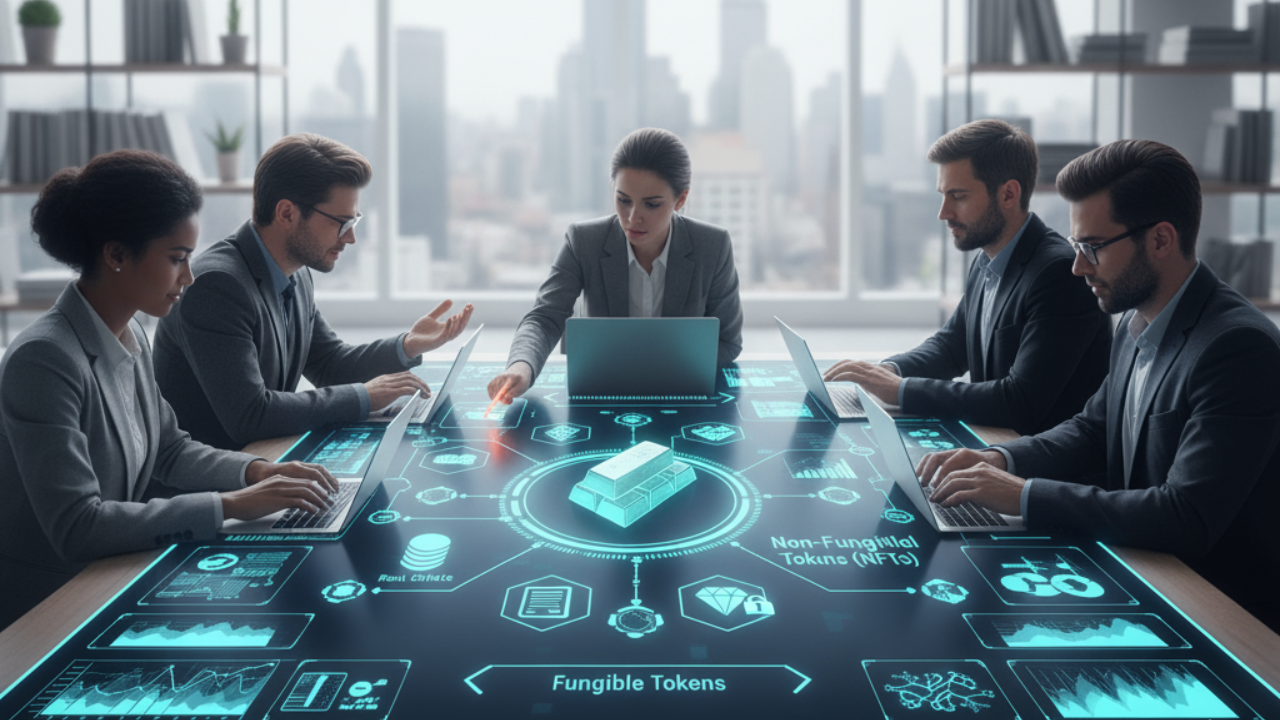
Tokenizing physical assets like real estate, art, or gold turns ownership into digital tokens on a blockchain, enabling fractional shares, easier trading, and greater liquidity. Unlike digital assets, physical ones need a model that securely ties tokens to real-world value while ensuring legal clarity and transparency. Drawing from current practices, the asset-backed token (ABT) model is the best choice for physical assets. Here’s why it stands out and how to approach it.
Check Also: Real-Estate Tokenization Services
Why Asset-Backed Tokens Excel
Asset-backed tokens (ABTs) are digital tokens directly linked to the ownership and value of a specific physical asset, acting like a digital deed. For instance, a tokenized building might issue ABTs representing shares, redeemable for equity or rental income. This model fits physical assets because it provides immutable proof of ownership through blockchain’s tamper-proof records, reducing fraud risks. Platforms like Paxos’ PAXG, for example, tie each token to physical gold, ensuring 1:1 redemption. ABTs also enable fractionalization, letting investors buy a $10 stake in a $1 million artwork, unlocking markets once limited to the wealthy potentially mobilizing $100 billion annually in collateral, per industry estimates. Plus, ABTs can embed standards like ERC-1400 for security tokens, incorporating transfer rules to comply with regulations like KYC/AML, making them ideal for institutional use, as seen in BlackRock’s BUIDL fund on Ethereum.
Comparing Other Models
Other models fall short by comparison. Fungible tokens, like ERC-20, work for interchangeable assets like cryptocurrencies but lack the precision needed for unique physical items. Non-fungible tokens (NFTs), like ERC-721, suit one-off assets like rare art but struggle with divisible assets like property shares, where fractional ownership is key.
Choosing the Right Platform
To implement ABTs, choose platforms with strong real-world asset support. Ethereum is a top pick for its robust standards, though high fees push some to Layer-2 solutions like Polygon for scalability. Specialized platforms like SettleMint offer low-code options, InvestaX caters to institutional needs, and Chainlink provides oracles to verify off-chain asset values. The process starts with selecting the asset and defining tokenomics, like supply and rights, followed by developing smart contracts, integrating legal frameworks for compliance, and launching on secondary markets for trading.
Addressing Challenges
Challenges include ensuring oracle reliability to confirm asset status and navigating varying regulations across regions. Start with a pilot, like tokenizing a single property, and work with legal experts to ensure enforceability.
Check Also: Blockchain Development Services
Final Thoughts
For physical assets, asset-backed tokens balance security, liquidity, and real-world connection, transforming how we trade everything from gold to real estate. With tokenized real-world assets reaching an $8.4 billion market cap, ABTs position businesses to tap into a $255 trillion opportunity. Assess your asset’s uniqueness and regulatory needs to confirm ABTs align, and you’ll unlock a new era of accessible, secure investment.