


Fraud continues to cost businesses billions every year. According to the Federal Trade Commission, consumers in the United States reported losing more than $10 billion to fraud in 2023. Identity theft, account takeovers, and document manipulation remain some of the most common threats affecting online platforms.
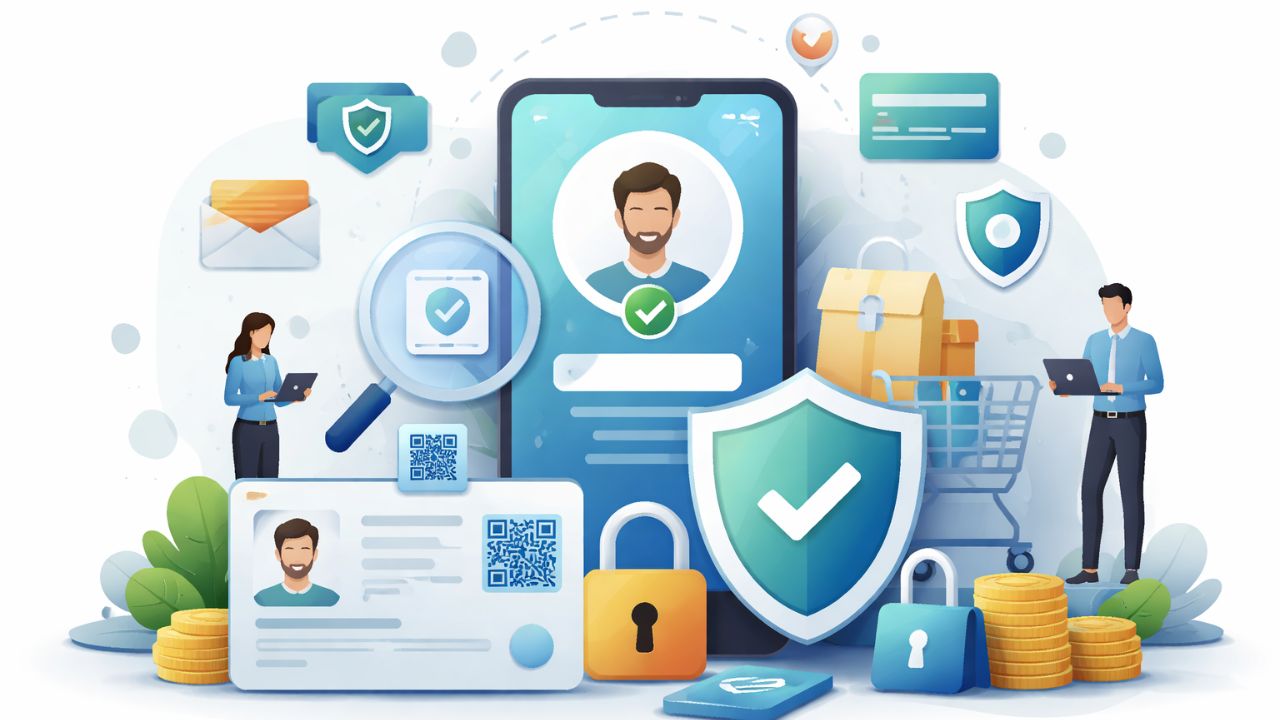
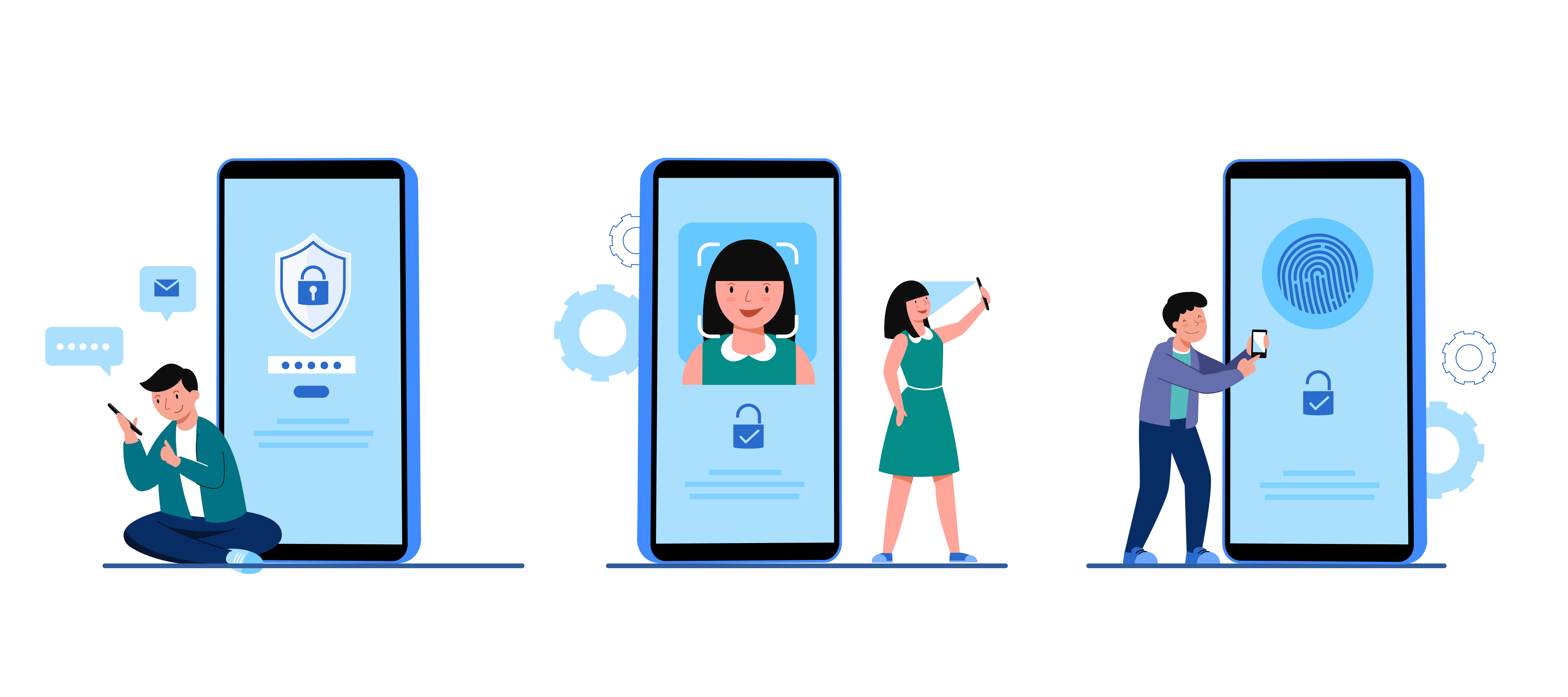
Traditional identity verification systems rely on centralized databases. When these databases are breached, large volumes of sensitive information can be exposed. Blockchain identity verification offers a different structure that focuses on security, transparency, and stronger control over identity data.
How Blockchain Identity Verification Works
Blockchain based identity systems store verification records on a distributed ledger instead of a single centralized server. This approach reduces the risk of data manipulation because records cannot be easily modified once they are verified and added to the blockchain.
Each identity verification event is secured through cryptographic techniques. Once recorded, the verification proof remains permanently stored and traceable. This creates a trusted record that organizations can reference without repeating the entire verification process.
Another important element is decentralized identity control. Users can maintain ownership of their credentials and share verified data only when necessary. This reduces the repeated submission of personal documents across multiple platforms.
Security Advantages That Reduce Fraud
Blockchain identity verification introduces several mechanisms that strengthen fraud prevention.
- Cryptographic signatures verify the authenticity of identity data
- Time stamped records create clear audit trails
- Automated smart contracts validate verification rules
- Decentralized storage reduces large scale data breach risks
Because records cannot be altered without network consensus, it becomes extremely difficult for attackers to modify identity information or forge credentials.
Industries Adopting Blockchain Identity Systems
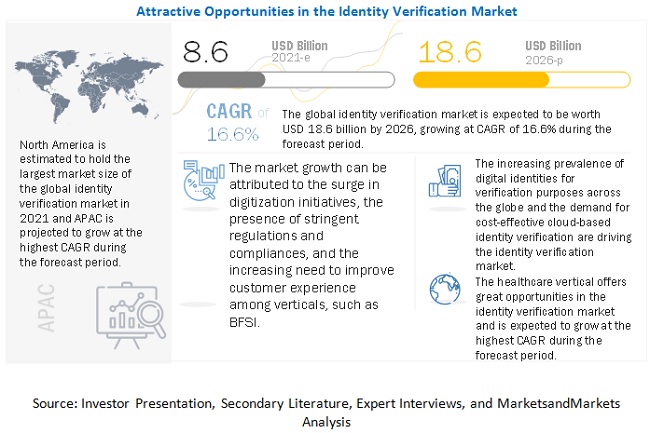
Several industries are exploring blockchain identity frameworks to strengthen verification and compliance. Financial institutions use it to reduce onboarding fraud and improve KYC processes. Healthcare organizations are testing blockchain identity to protect patient records. E commerce platforms are also adopting stronger verification tools to reduce fake accounts and payment fraud.
Organizations looking to implement secure identity infrastructure can explore Blockchain Identity Verification Solutions to build verification systems designed for modern security and compliance requirements.
Conclusion
Identity fraud continues to evolve as digital services expand. Blockchain identity verification offers a practical way to strengthen trust in digital interactions by creating tamper resistant verification records and reducing dependency on centralized databases.
By improving transparency, protecting sensitive data, and giving users more control over their credentials, blockchain based identity systems are becoming an important tool in the fight against digital fraud.