


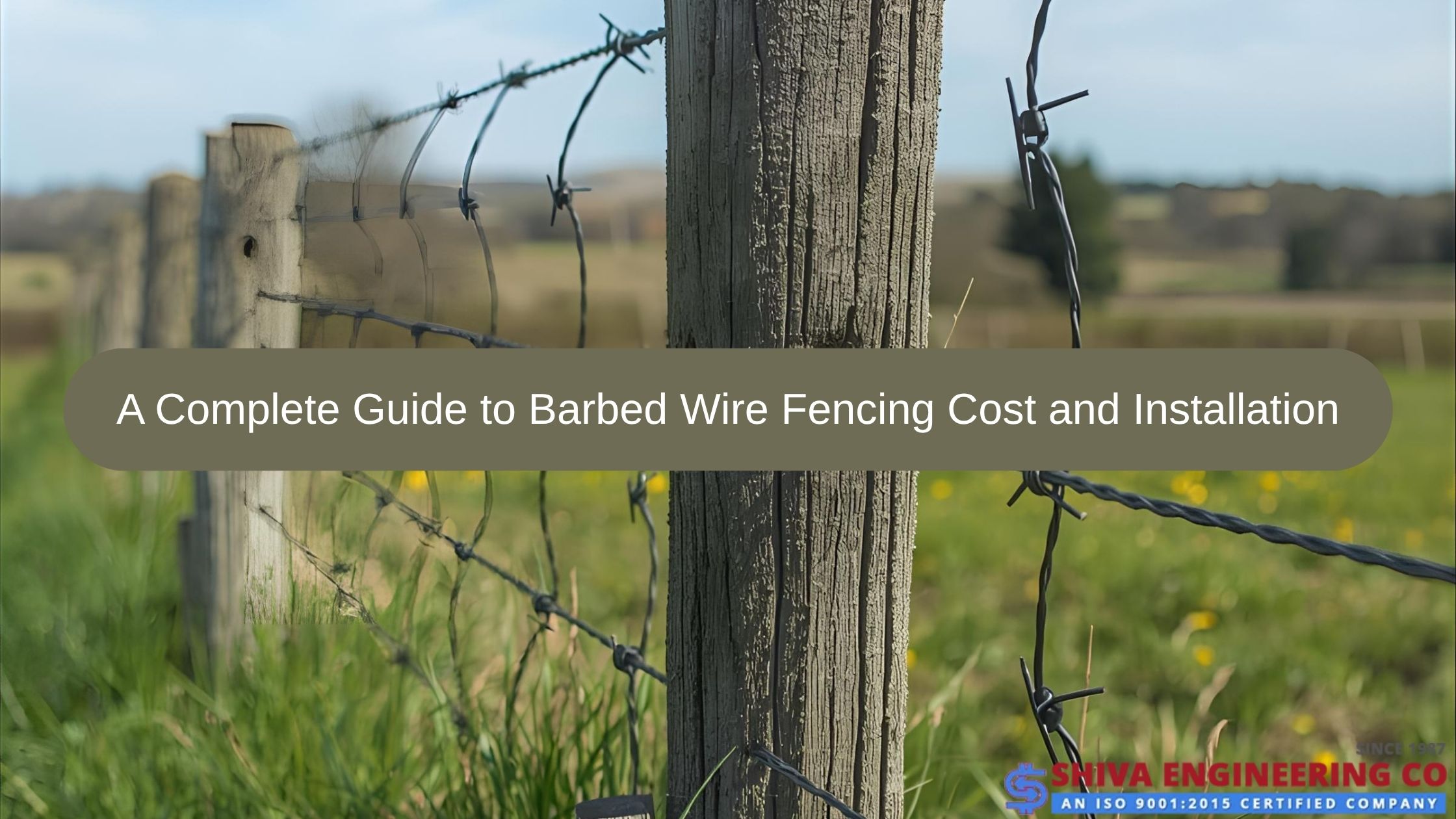
When it comes to securing property boundaries or agricultural land, barbed wire fencing remains one of the most reliable and affordable options. It’s widely used across farms, factories, and even residential plots for its durability and low maintenance needs. However, one of the most common questions property owners have before installation is about the Barbed Wire Fencing Cost and the overall process of setting it up efficiently. This guide covers everything you need to know-from pricing factors to installation methods and practical tips for long-lasting performance.
Why Choose Barbed Wire Fencing?
Barbed wire fencing has been a popular choice for decades due to its versatility and effectiveness in restricting unauthorized access. It’s a simple yet powerful solution—steel wires twisted together with sharp barbs at regular intervals, creating both a physical and psychological barrier.
Beyond its protective function, it’s also one of the most economical fencing options available. Whether you’re securing farmland, factory premises, or a construction site, barbed wire is adaptable to different terrains and can be installed quickly with basic tools and minimal manpower.
Key Benefits:
Affordability: The material and installation costs are significantly lower compared to chain link or concertina fencing.
- Durability: Galvanized wires resist rust and corrosion, lasting for years in varying weather conditions.
- Low Maintenance: Once installed, it requires minimal upkeep.
- Flexibility: Can be used with different types of posts—wooden, concrete, or iron.
- Security: Effective at preventing trespassing and livestock escape.
Factors That Influence Barbed Wire Fencing Cost
The total expense depends on multiple elements. Understanding these can help you plan your budget better and avoid surprises during installation.
1. Type of Barbed Wire
Barbed wire comes in several variants, differing in thickness (gauge), strand type (single or double), and coating (galvanized or PVC).
Galvanized barbed wire is the most common, resistant to rust, and suitable for outdoor use.
PVC-coated barbed wire provides added protection and longevity, especially in coastal or humid regions.
Thicker wires and double-strand designs tend to cost more due to increased material strength.
2. Length and Area Coverage
Naturally, the larger the area to be fenced, the more material you’ll need. The wire is usually sold in rolls, commonly 100 or 250 meters in length. Accurately measuring the boundary length beforehand helps determine how many rolls will be required.
3. Post Material and Spacing
Fence posts provide structural support for the barbed wire. Options include:
Concrete posts – Long-lasting but slightly more expensive and labor-intensive to install.
Iron posts – Strong and durable, ideal for industrial fencing.
Wooden posts – Economical but less durable in wet climates.
Spacing between posts generally ranges from 8 to 12 feet. Closer spacing increases stability but also raises the total cost of materials.
4. Labor Charges
Labor costs vary depending on location, terrain, and the complexity of installation. Uneven or rocky ground requires additional effort and may increase costs. On average, labor can account for 20–30% of the total fencing budget.
5. Additional Materials
Besides the wire and posts, you may need tensioners, binding wire, nails, and protective gear. These smaller expenses can add up, so it’s wise to include them in your overall budget.
Average Price Range in India
While prices may fluctuate by region and supplier, here’s a general idea of what to expect:
- Standard galvanized barbed wire: ₹65–₹90 per kilogram
- PVC-coated barbed wire: ₹80–₹110 per kilogram
- Installation cost: ₹10–₹25 per running foot (including posts and labor)
- For a medium-sized agricultural field or factory boundary, the total cost typically ranges between ₹20,000 and ₹80,000 depending on length, wire quality, and post selection.
How to Install Barbed Wire Fencing
Installing barbed wire fencing doesn’t require advanced technical skills but does need proper planning and precision. Here’s a step-by-step overview:
- Step 1: Planning and Measurement
- Start by marking your property boundaries using stakes and string. Measure the total perimeter length accurately to estimate material requirements.
- Step 2: Post Installation
- Dig holes for the corner and intermediate posts. The standard depth is around 2 to 3 feet, ensuring stability. Fill each hole with concrete or compacted soil for a firm hold.
- Step 3: Fixing the Wire
- Begin from a corner post and unroll the barbed wire along the line. Use binding wire or nails to fasten it to each post. Maintain uniform tension to avoid sagging.
- Step 4: Layering
- For better security, install multiple layers—usually three to five strands—depending on your requirements. Keep equal spacing between layers for a neat and effective finish.
- Step 5: Final Inspection
- Check for loose ends or sharp projections that could cause injury. Tighten any loose sections and make sure the fence line is straight and secure.
Maintenance Tips for Longer Life
Barbed wire fencing doesn’t demand constant attention, but a few simple practices can extend its lifespan:
- Inspect regularly for loose wires, rust, or bent posts.
- Re-tension sagging wires annually.
- Apply anti-rust coating if necessary.
- Trim nearby vegetation that may add pressure on the fence.
- Proper installation and minimal maintenance can keep your fencing strong for 10–15 years or more.
Final Thoughts
Barbed wire fencing continues to be one of the most practical solutions for property protection, combining affordability with reliability. When planning your project, it’s crucial to evaluate factors such as wire type, post spacing, and terrain before calculating the Barbed Wire Fencing Cost. Investing in quality materials and professional installation will pay off in the long run by providing years of dependable security and peace of mind.
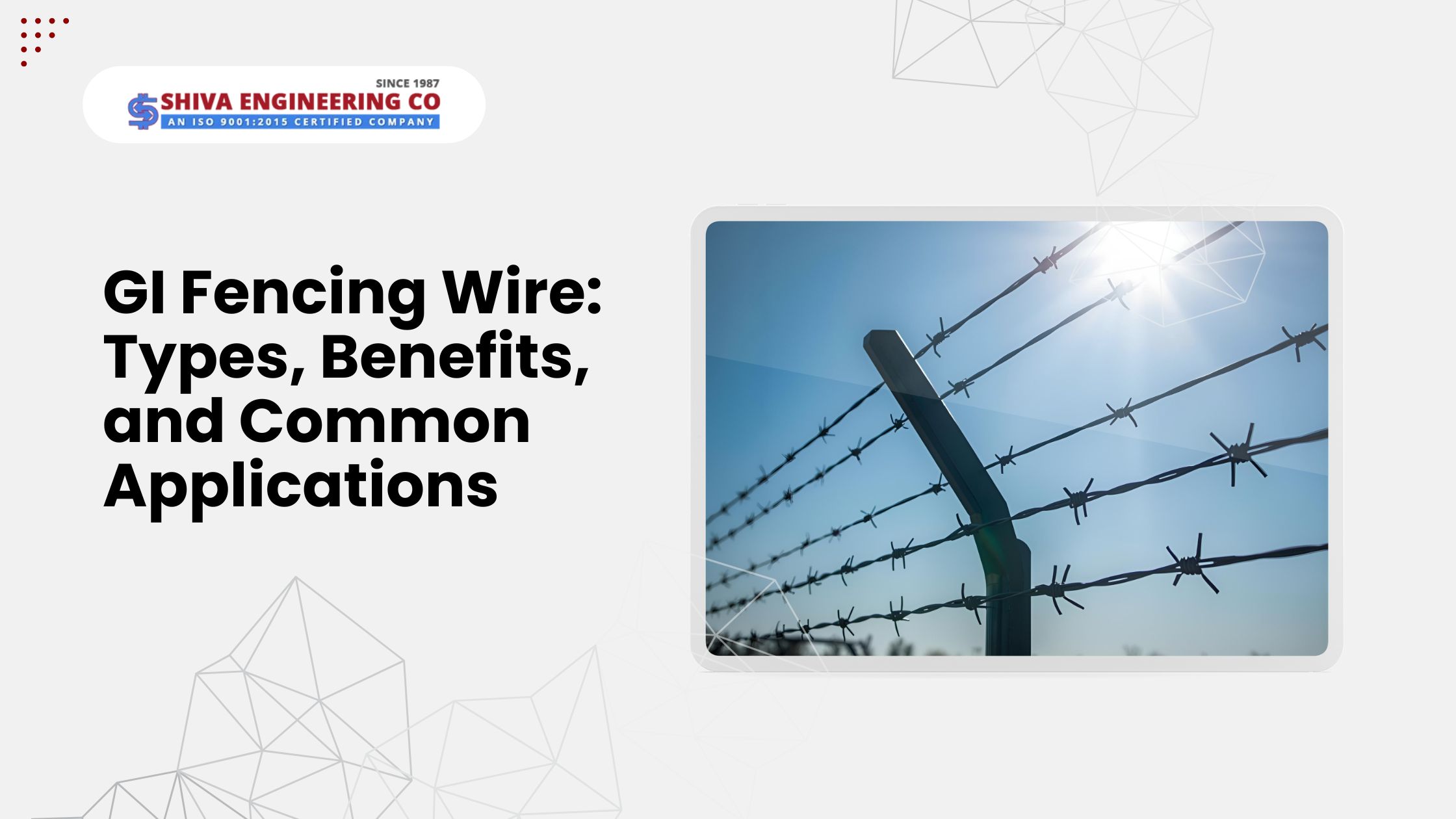
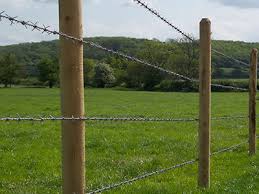
Barbed wire, also known as barb wire and sometimes Razor Barbed wire, occasionally termed as the bobbed wire is a typical style of steel wire fencing which is constructed using sharp edges or points which are arranged at specific intervals with the strands.
If accidentally someone gets in touch with barbed wire, it turns to be painful and may likely break the skin or even puncture it massively.
It can even cause cuts and huge bleeding leading to possible infection because steel which is used remains rusty and not at all sterile.
The first one is Single Twist Barbed Wire which is a single twisted coiled structure that is made out of galvanized steel wire found in multiple colors.
Rest all features remain as the first one in this barbed wire.
The other one is Concertina Barbed Wire having single strand barbed wire.
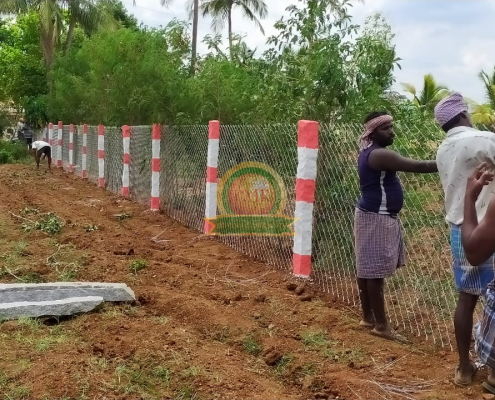
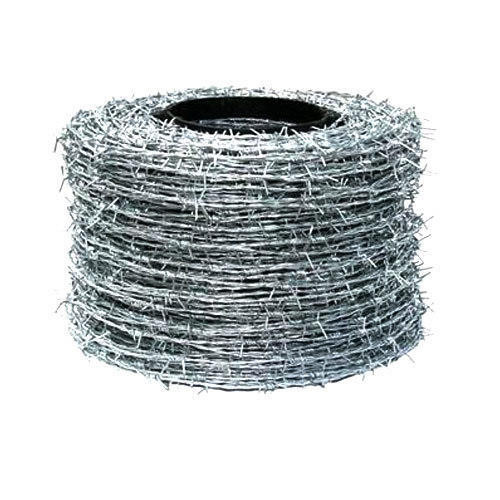
Find here the details of companies providing Barbed Wire, Barbed Wire Fencing Suppliers, Barbed Wire Wholesalers in India.
Get the best quality Barbed Wires online at the best wholesale rates with Indian manufacturers & suppliers at Shoppa.inRead more: https://www.shoppa.in/barbed-wire