


When it comes to securing boundaries for residential, industrial, or agricultural spaces, fencing materials need to be durable, reliable, and long-lasting. Among the many options available today, GI fencing wire stands out for its strength and resistance to harsh weather conditions. Due to its zinc-coated layer, this fencing option offers a solid blend of performance and affordability, making it a popular choice across various sectors.
What Is GI Fencing Wire?
GI (Galvanized Iron) fencing wire is made by coating iron or steel wire with a layer of zinc. This protective layer helps keep the wire from rusting when exposed to moisture, sunlight, and extreme temperatures. The galvanizing process increases the wire’s lifespan and makes it suitable for installations that require minimal upkeep. It is widely available in different thicknesses and forms, making it adaptable for multiple fencing needs.
Why Galvanization Matters
The zinc coating used in galvanization acts as a barrier against corrosion. Instead of the iron reacting with oxygen or humidity, the zinc takes the impact, slowing down the oxidation process. This is especially useful in outdoor environments where fencing is exposed to rain, soil moisture, and pollutants. As a result, galvanization helps keep the wire stronger for a longer time without requiring frequent replacement or repairs.
Types of GI Fencing Wire
GI fencing wire comes in various forms, each suited for different uses:
1. Barbed GI Wire
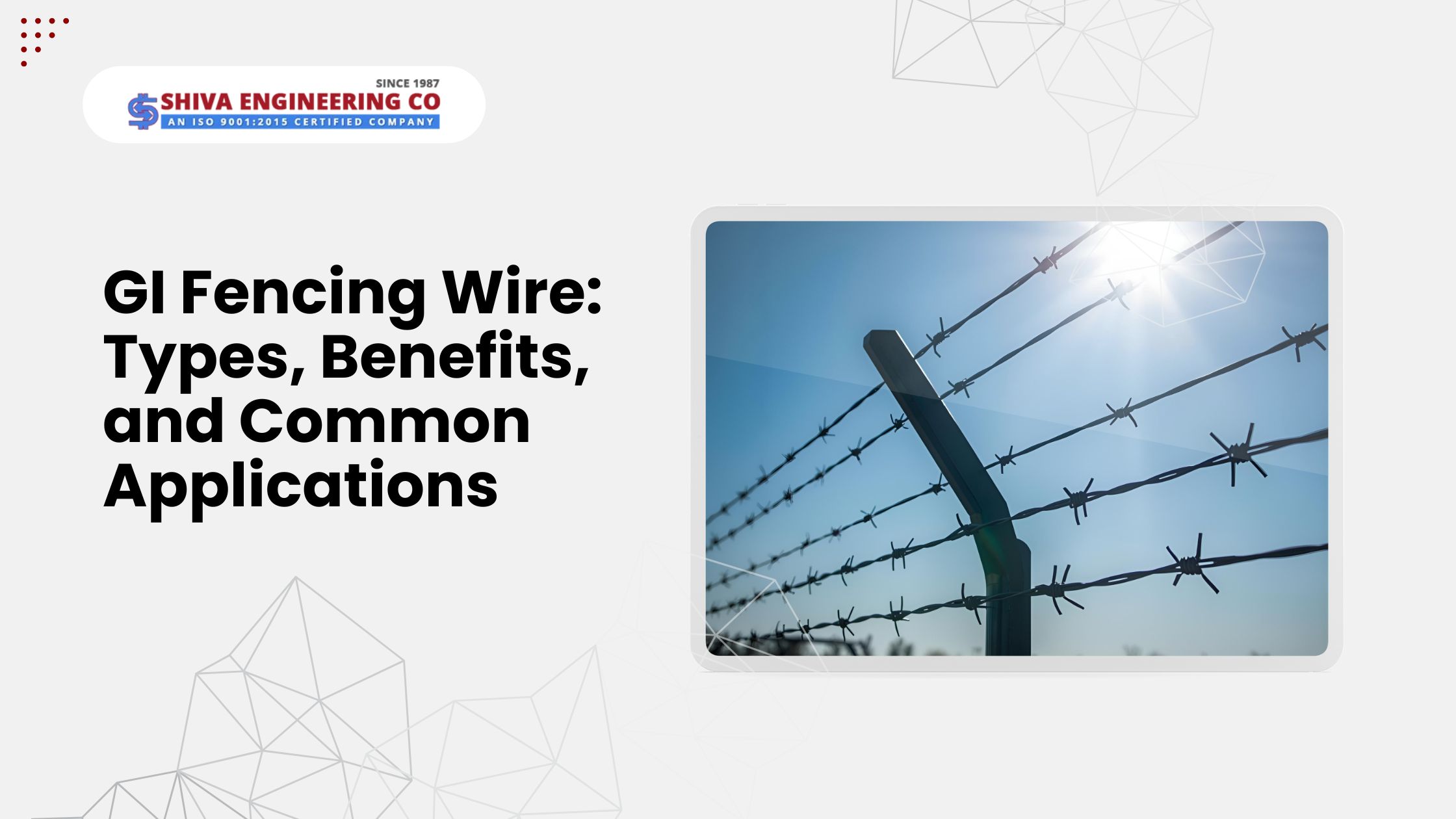
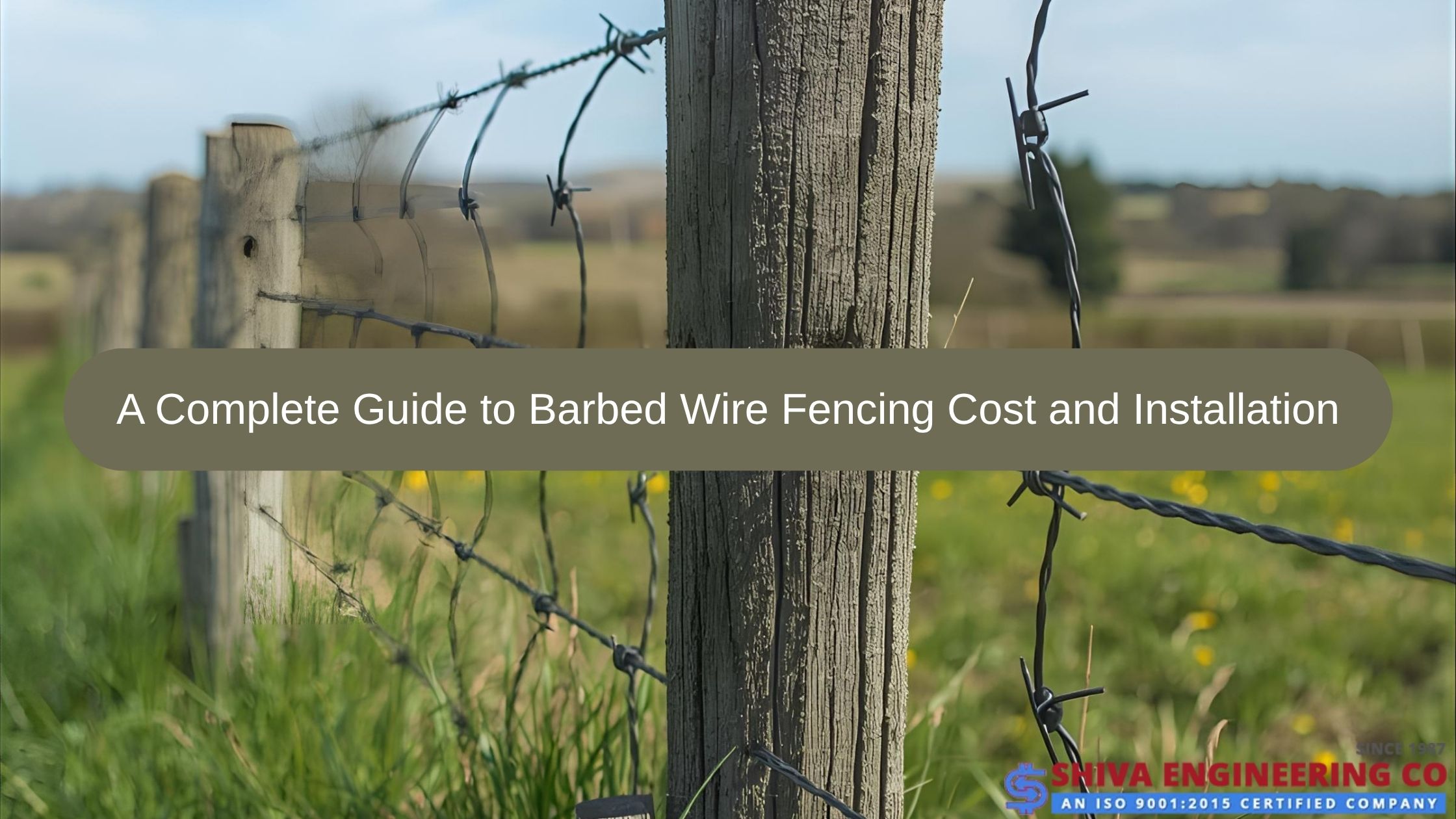
Barbed wire includes sharp barbs spaced evenly along the strand. It is commonly used for high-security areas like farms, military zones, warehouses, and restricted boundaries. The barbs create a physical and visual deterrent, making unauthorized access difficult.
2. Chain Link GI Wire
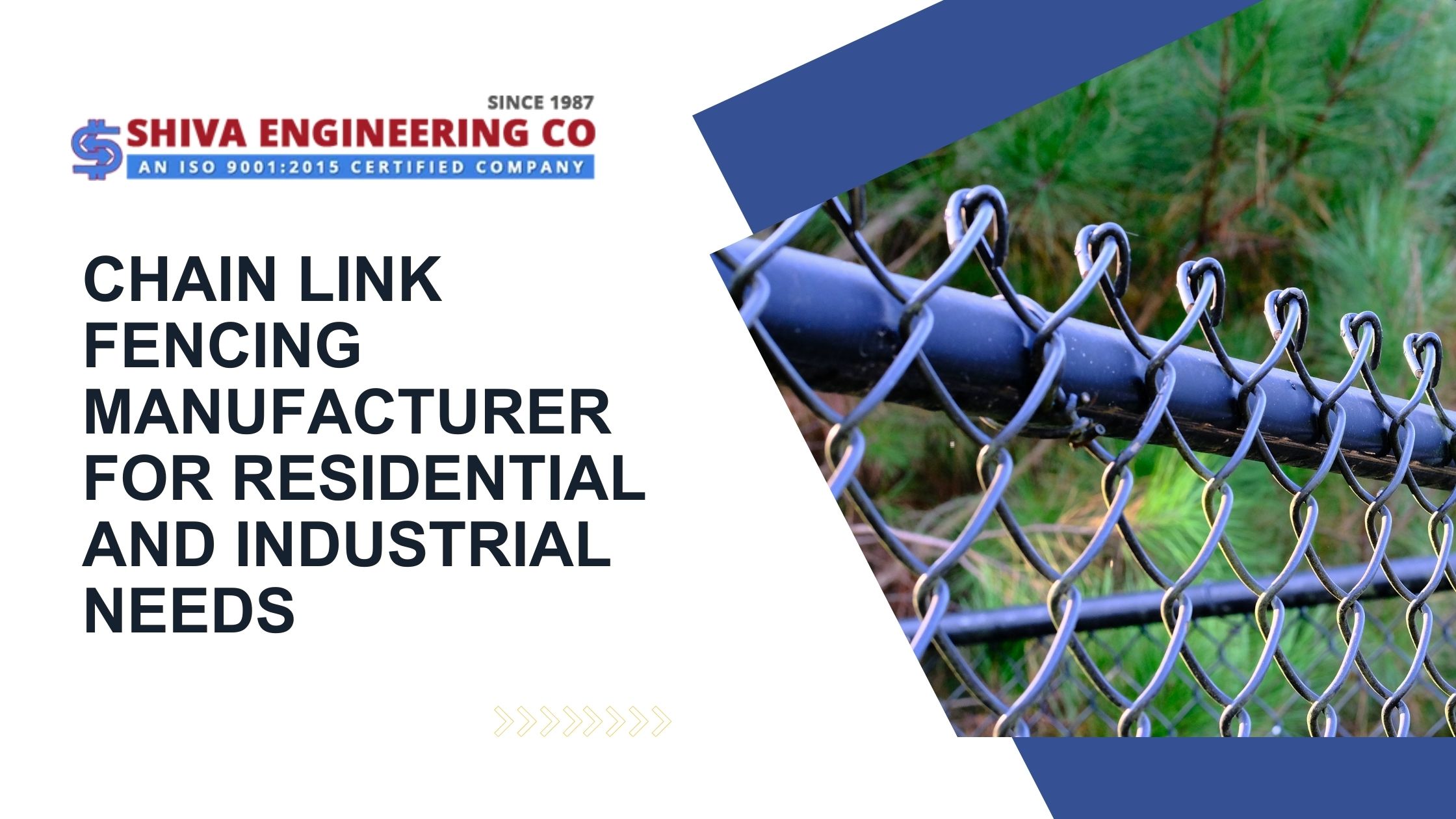
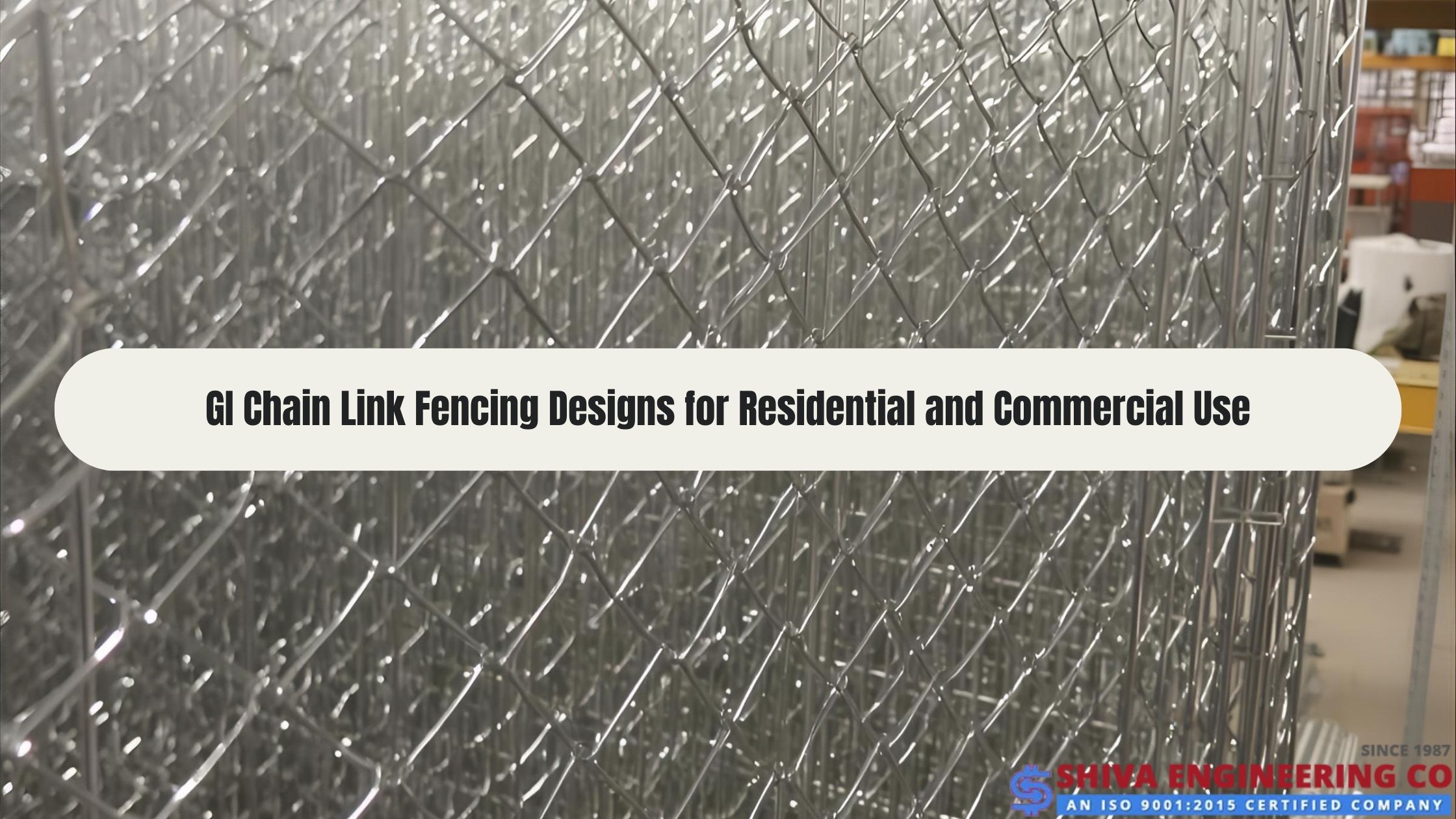
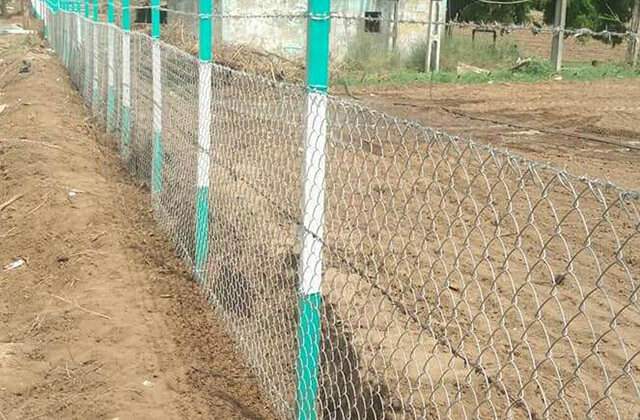
Chain link fencing is made using interwoven galvanized wire that forms a diamond-shaped pattern. It is one of the most popular choices for playgrounds, residential boundaries, sports facilities, gardens, and industrial perimeters. It provides visibility while maintaining strong boundary protection.
3. Welded Mesh GI Wire
Welded mesh wire consists of intersecting galvanized wires welded together at each point. This design creates a grid-like structure that is sturdy and suitable for construction sites, animal cages, greenhouses, and security barriers.
4. Concertina Coil and Razor Wire
These are high-security fencing options featuring sharp blades or punch-cut edges. They are often installed on top of walls, compound boundaries, and sensitive zones. Their structure makes climbing nearly impossible, offering extra protection where needed.
5. Gabion Wire Mesh
Gabion mesh uses galvanized wire to form baskets filled with stones. These are widely used for soil retention, erosion control, and landscaping. They offer structural strength while blending with natural surroundings.
Key Benefits of GI Fencing Wire
GI fencing wire offers several valuable advantages:
Long-Lasting Performance
The zinc coating helps the wire resist rust and oxidation, making it suitable for humid, coastal, or rainy environments. This increases the overall lifespan of the fencing.
Strong and Sturdy
Since it is made from iron or steel, GI wire maintains excellent tensile strength. It can withstand pulling forces, pressure, and environmental stress without losing durability.
Economical Option
Compared to many other fencing materials, galvanized wire offers an economical solution without compromising on quality. It provides reliable protection within a reasonable budget.
Low Maintenance
Once installed, the wire requires very little attention. Occasional cleaning or inspection is usually enough to keep it functional.
Versatile Across Industries
Whether it’s agriculture, construction, residential, or industrial use, GI fencing wire can adapt to various settings. It supports different types of installations—from boundary markings to heavy-duty security.
Common Applications of GI Fencing Wire
The wide range of uses makes galvanized fencing wire a preferred choice in several sectors:
Agricultural Fields
Farmers use GI wire to create livestock enclosures, crop protection barriers, and rural boundary fencing. It helps prevent animals from entering fields while keeping livestock secure within designated areas.
Residential Properties
Homeowners often choose GI wire fencing for gardens, terraces, plots, and house perimeters. Its neat appearance and strength make it suitable for daily use.
Industrial and Commercial Areas
Factories, warehouses, workshops, and business establishments use it to safeguard assets and maintain controlled entry points.
Construction Projects
GI wire is used in scaffolding, reinforcement, and safety barricades. Welded mesh and gabion wire are particularly common in infrastructure development.
Public Spaces
Schools, parks, sports complexes, and community grounds often rely on GI fencing to create safe boundaries without blocking visibility.
Choosing the Right GI Fencing Wire
- Before selecting the right type of wire, consider factors like:
- Purpose of installation (security, boundary marking, safety)
- Environmental conditions (rainfall, coastal exposure, soil quality)
- Required wire thickness and coating quality
- Budget and fencing size
- Type of property or industry
Consulting with suppliers or fencing experts can help determine the best option for your specific need.
Final Thoughts
Whether you need fencing for a home, farm, or commercial space, galvanized wire offers dependability, strength, and long life. It continues to be a preferred choice in both urban and rural environments because of its ability to withstand weather and consistent use. From chain link mesh to razor wire, each type serves a practical purpose and offers a level of protection suited to different requirements. With thoughtful planning and proper installation, GI fencing wire can serve as a reliable boundary solution for years to come.

We are the Leading Manufacturers & Suppliers of : Concertina Coil, Concertina Wire, Safety Fencing Wire, Circle Wire, Security Fencing, Chain Link Fencing, Stay Wire, Boundary Fencing Wire, Razor Wire, G.I.
Wire, Steel Wire, Concertina Raw Material, Wire Mesh Netting, Security Fence, Barbed Wire Fencing, PVC Coated Chain Link Fencing and Customized Punched Tape in Delhi India.
We have advanced manufacturing unit that is rooted with advanced tools and machine to construct these products according our clientele demand.
We manufacture these products using reliable qualitative raw material which is purchased from reliable vendors of the industry.
To keep the industry norms, our experts made these products under the guidance of knowledgeable team of professionals who have years of understanding of this domain.
Apart from this, our organization has hired a knowledgeable team who has prosperous experience of this domain.