Stainless steel fabrication plays a vital role in today’s construction, manufacturing, and design industries. Known for its durability, corrosion resistance, and sleek finish, stainless steel is one of the most versatile materials used in both industrial and architectural applications. From kitchen equipment to structural components, it offers strength, style, and long-lasting performance.
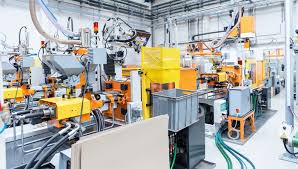
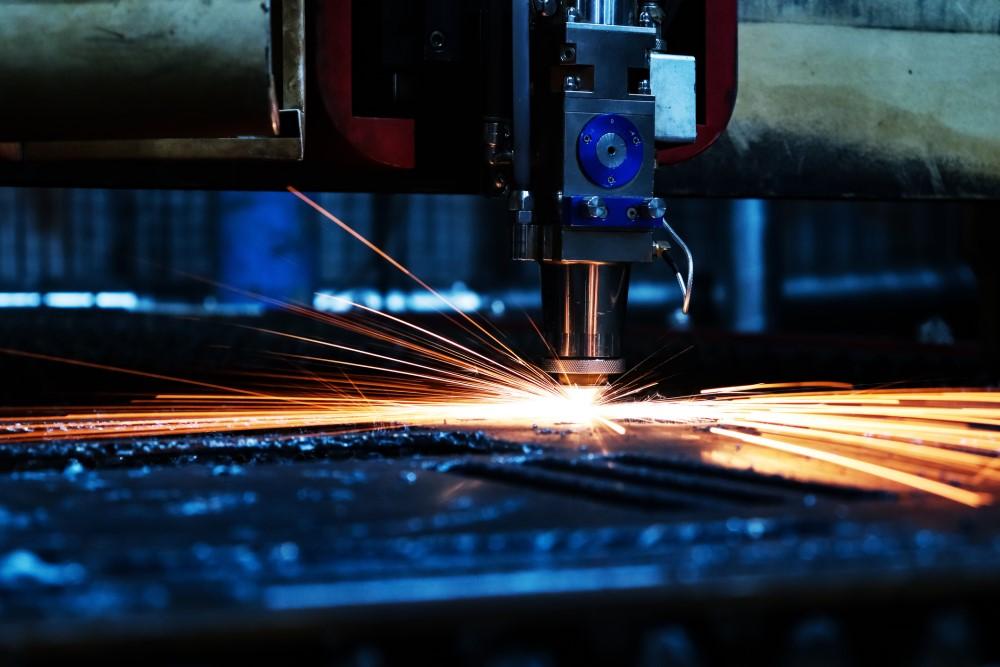
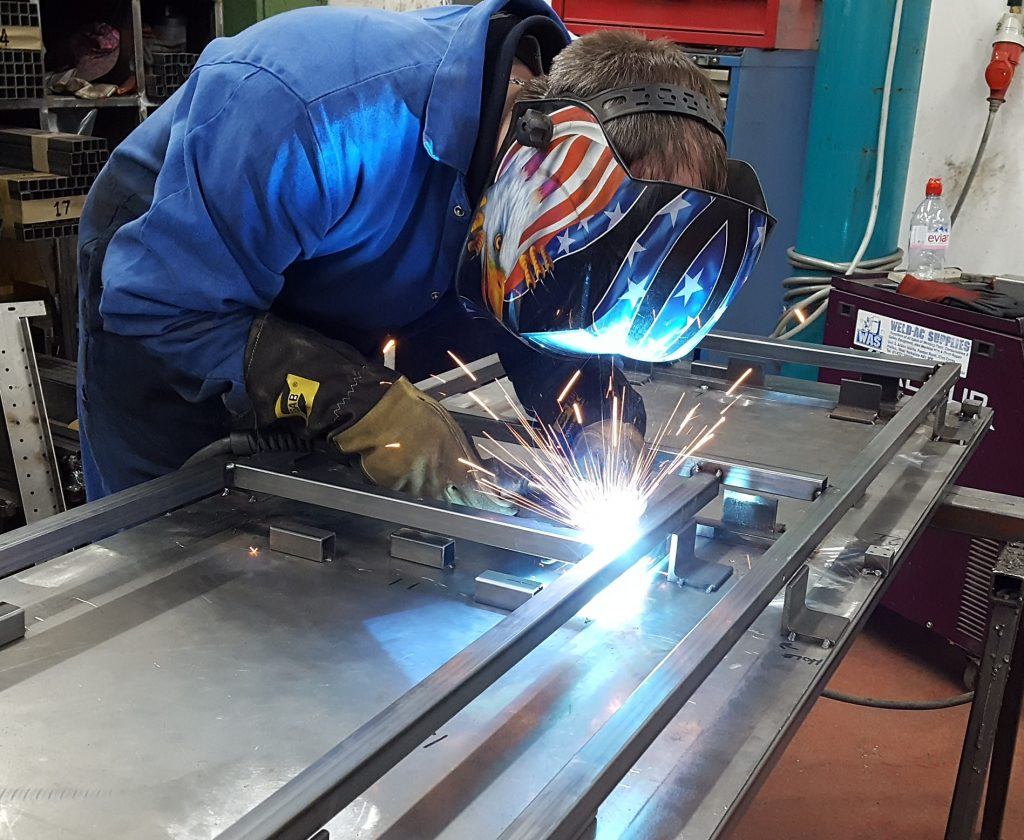
The process of stainless steel fabrication involves cutting, bending, and assembling metal into a desired shape or structure. This can include anything from custom handrails and benches to large-scale industrial frameworks. Modern fabrication techniques use advanced machinery such as laser cutters, press brakes, and welding tools to achieve precise, high-quality results. The ability to produce complex designs with exact measurements makes stainless steel a top choice for engineers, architects, and designers alike.
One of the main reasons stainless steel is preferred is its exceptional resistance to rust and corrosion. Unlike other metals, it contains chromium, which forms a protective oxide layer on the surface. This natural barrier helps prevent deterioration, even when exposed to moisture, chemicals, or extreme temperatures. As a result, stainless steel products maintain their structural integrity and appearance for many years, making them a cost-effective investment.
Another advantage of stainless steel fabrication is its hygienic properties. The smooth, non-porous surface prevents the buildup of bacteria and is easy to clean, which is why it’s widely used in kitchens, hospitals, and laboratories. Additionally, stainless steel’s modern aesthetic makes it a popular choice for architectural and decorative projects, offering a clean, polished look that complements both traditional and contemporary designs.
Sustainability is also a key factor in choosing stainless steel. It is 100% recyclable, meaning that even after decades of use, it can be reprocessed and reused without losing quality. This makes it an environmentally responsible option for projects focused on reducing waste and promoting sustainability.
In conclusion, stainless steel fabrication combines strength, precision, and sustainability to deliver high-performing products for a wide range of industries. Its durability, corrosion resistance, and modern appearance ensure it remains a material of choice for those seeking both functionality and style in their designs.