HACCP certification, which stands for Hazard Analysis and Critical Control Points certification, is a globally recognized system that ensures the safety of food products by identifying, evaluating, and controlling potential hazards throughout the food production process. It is one of the most important certifications in the food industry, helping organizations maintain food safety standards from raw material handling to final product distribution. HACCP certification demonstrates a company’s commitment to producing safe, high-quality food and plays a vital role in preventing contamination, ensuring consumer protection, and meeting international regulatory requirements.
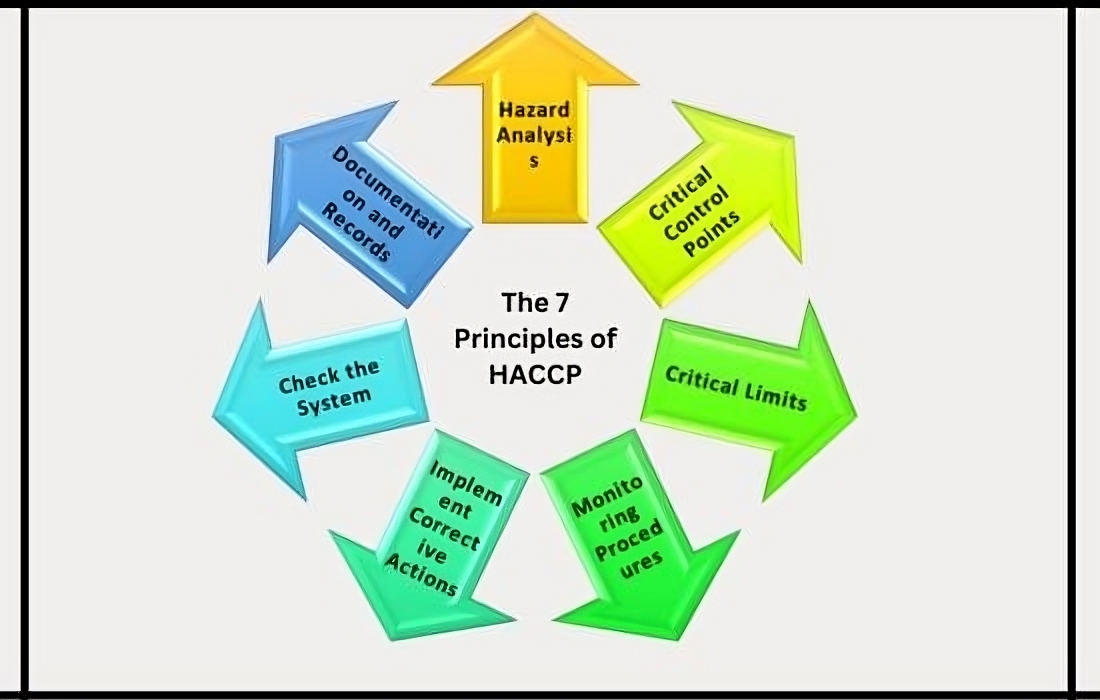
The HACCP system was developed by NASA and the Pillsbury Company in the 1960s to ensure food safety for astronauts. Since then, it has become an international benchmark for food safety management systems. The certification process is based on seven key principles that guide organizations in developing a preventive approach to food safety. These principles include conducting a hazard analysis, identifying critical control points (CCPs), establishing critical limits, monitoring procedures, corrective actions, verification, and documentation. Through this structured approach, HACCP helps prevent food safety issues before they occur, rather than relying solely on final product testing.
HACCP certification applies to every segment of the food industry, including manufacturing, processing, packaging, storage, and distribution. It is suitable for a wide range of businesses — from small food producers and restaurants to large multinational corporations. The certification can also be applied to industries indirectly related to food, such as packaging materials, logistics, and catering services. Achieving HACCP certification helps organizations meet both national and international food safety regulations, including those set by the Food and Agriculture Organization (FAO), World Health Organization (WHO), and Codex Alimentarius Commission.
The process of obtaining HACCP certification typically begins with implementing a food safety management system that aligns with HACCP principles. Organizations start by conducting a hazard analysis to identify potential biological, chemical, or physical hazards that could compromise food safety. Once these hazards are identified, the next step is to establish critical control points—specific stages in the production process where control can be applied to prevent or eliminate hazards. Each control point must have defined critical limits, which act as safety thresholds. For example, maintaining a specific cooking temperature can eliminate harmful bacteria, or keeping certain ingredients refrigerated can prevent spoilage.
After defining these controls, continuous monitoring is required to ensure that all processes remain within safe limits. If deviations occur, corrective actions must be implemented immediately to restore safety. Verification and validation activities are conducted regularly to confirm that the HACCP system is functioning effectively. Proper documentation is also essential, as it provides traceability and evidence of compliance during audits and inspections. Maintaining accurate records of monitoring and corrective actions helps organizations demonstrate due diligence and accountability in food safety management.
HACCP certification is usually granted by accredited certification bodies after a successful external audit. The audit evaluates whether the organization has effectively implemented and maintained the HACCP system according to the required standards. Auditors review documentation, inspect production facilities, interview employees, and verify compliance with control measures. If the organization meets all the necessary requirements, it is awarded the HACCP certification, which typically remains valid for a specific period, subject to regular surveillance audits.
The benefits of HACCP certification are extensive. For businesses, it strengthens food safety performance, minimizes the risk of recalls, and enhances operational efficiency by identifying and controlling potential hazards before they lead to costly issues. It also boosts customer confidence and brand reputation, as certified companies demonstrate a proactive commitment to producing safe and reliable food products. HACCP certification can open doors to new business opportunities and international markets, as many retailers and importers require suppliers to hold recognized food safety certifications.
For consumers, HACCP certification provides assurance that the food they consume has been produced under strict safety controls. It helps prevent foodborne illnesses by reducing contamination risks at every stage of production and distribution. For regulatory authorities, HACCP offers a systematic and scientific approach to ensuring compliance with food safety laws and policies. It supports a culture of food safety responsibility among producers, processors, and handlers.
HACCP certification also encourages a mindset of continuous improvement. Organizations are required to regularly review and update their HACCP plans to reflect changes in processes, equipment, or regulations. This ensures that food safety systems remain effective and relevant over time. Additionally, training plays a crucial role in the success of HACCP implementation. Employees at all levels, from management to production staff, must understand food safety hazards, hygiene practices, and their specific responsibilities in maintaining HACCP compliance.
Many organizations choose to integrate HACCP with other management system standards, such as ISO 22000 (Food Safety Management Systems), ISO 9001 (Quality Management), and GMP (Good Manufacturing Practices). This integration provides a comprehensive approach to food safety and quality, helping businesses streamline their operations and achieve higher standards of performance.
In conclusion, HACCP certification is a vital tool for ensuring food safety and protecting public health. It provides organizations with a systematic and preventive approach to identifying and controlling food safety hazards, ensuring that safe products reach consumers. Beyond compliance, it enhances business credibility, operational consistency, and global competitiveness. Whether for a small food producer or a large multinational brand, HACCP certification serves as a mark of reliability, responsibility, and excellence in food safety management. In an era where consumers and regulators demand the highest levels of transparency and trust, HACCP certification remains one of the most effective ways for organizations to demonstrate their dedication to delivering safe, high-quality food to the market.