

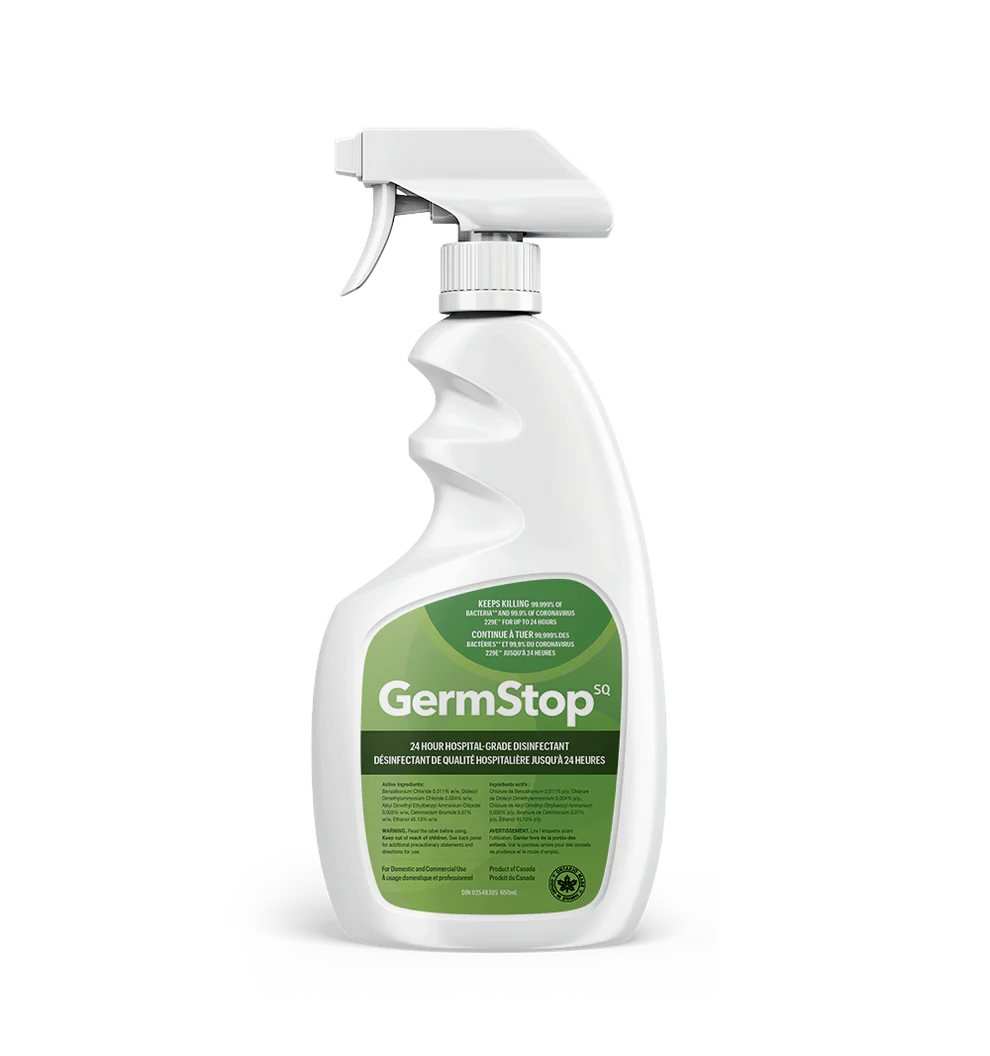
Disinfectant solutions play a crucial role in maintaining hygiene and preventing the spread of infections in various settings, from homes to healthcare facilities. This article explores their types, applications, benefits, and safety considerations, providing general informational insights to help you make informed choices.
What is a Disinfectant Solution?
A disinfectant solution is a chemical formulation designed to inactivate or destroy microorganisms, such as bacteria, viruses, and fungi, on inanimate surfaces. Unlike sanitizers, which reduce germs to safe levels, a disinfectant solution aims to eliminate most harmful pathogens, making it essential for thorough cleaning. These solutions come in liquid forms, often diluted with water, and are widely used in infection control protocols. According to health authorities like the CDC, proper use of a disinfectant solution can significantly lower the risk of disease transmission in high-touch areas.
Types of Disinfectant Solutions
Disinfectant solutions vary based on their active ingredients, each suited for specific purposes. Common types include:
• Chlorine-based solutions: Hypochlorites, like sodium hypochlorite (household bleach), are effective against a broad spectrum of microbes, including bacteria and viruses. They are affordable and commonly used in water treatment and surface disinfection.
• Alcohol-based solutions: Ethanol or isopropyl alcohol solutions (typically 60-90% concentration) work quickly to kill bacteria and enveloped viruses. They evaporate rapidly, leaving no residue, making them ideal for electronics and medical instruments.
• Hydrogen peroxide solutions: These oxidize and break down microbial cells, effective against bacteria, viruses, and spores. Often used in healthcare for sterilizing equipment, they decompose into water and oxygen, reducing environmental impact.
• Quaternary ammonium compounds (quats): These cationic surfactants disrupt cell membranes and are gentle on surfaces. Found in many household cleaners, they provide residual protection but may be less effective against certain viruses.
• Phenolic solutions: Derived from phenol, these are potent against bacteria and fungi but can be irritating. They are used in laboratories and hospitals for high-level disinfection.
Selecting the right type of disinfectant solution depends on the target pathogens and surface material to ensure efficacy without damage.
Uses and Applications of Disinfectant Solutions
Disinfectant solutions are versatile tools in everyday and professional hygiene practices. In households, they clean kitchens, bathrooms, and toys to prevent foodborne illnesses and common infections. In healthcare settings, they are vital for sterilizing surgical tools, patient rooms, and high-touch surfaces like doorknobs to curb hospital-acquired infections.
Public spaces, such as schools and gyms, rely on disinfectant solutions to maintain sanitary environments, especially during outbreaks. They are also used in water purification, food processing, and veterinary care. For instance, during pandemics, alcohol-based disinfectant solutions have been key in hand and surface hygiene protocols. Always follow label instructions for dilution and contact time to maximize effectiveness.
Benefits of Using Disinfectant Solutions
Incorporating a disinfectant solution into cleaning routines offers numerous advantages. Primarily, they reduce the microbial load on surfaces, lowering infection risks for vulnerable populations like children, the elderly, and immunocompromised individuals. They promote public health by breaking transmission chains of diseases such as influenza, norovirus, and COVID-19.
Environmentally, some biodegradable options minimize ecological harm. Cost-effective and accessible, disinfectant solutions enhance overall cleanliness, contributing to better indoor air quality by controlling mold and mildew. In professional contexts, they ensure compliance with hygiene standards, fostering safer workplaces.
Safety Considerations for Disinfectant Solutions
While effective, disinfectant solutions require careful handling to avoid hazards. Many are corrosive, flammable, or toxic if ingested, so store them out of reach of children and pets. Wear gloves and ensure ventilation during use to prevent skin irritation or respiratory issues.
Mixing different disinfectant solutions, like bleach with ammonia, can produce dangerous gases—always avoid this. Follow dilution guidelines to prevent surface damage or reduced efficacy. For sensitive individuals, opt for low-odor or eco-friendly variants. Dispose of unused solutions per local regulations to protect the environment. If exposure occurs, seek medical advice immediately.
In summary, a disinfectant solution is an indispensable ally in hygiene management. By understanding their types, uses, and safe practices, you can harness their full potential for a healthier environment.