

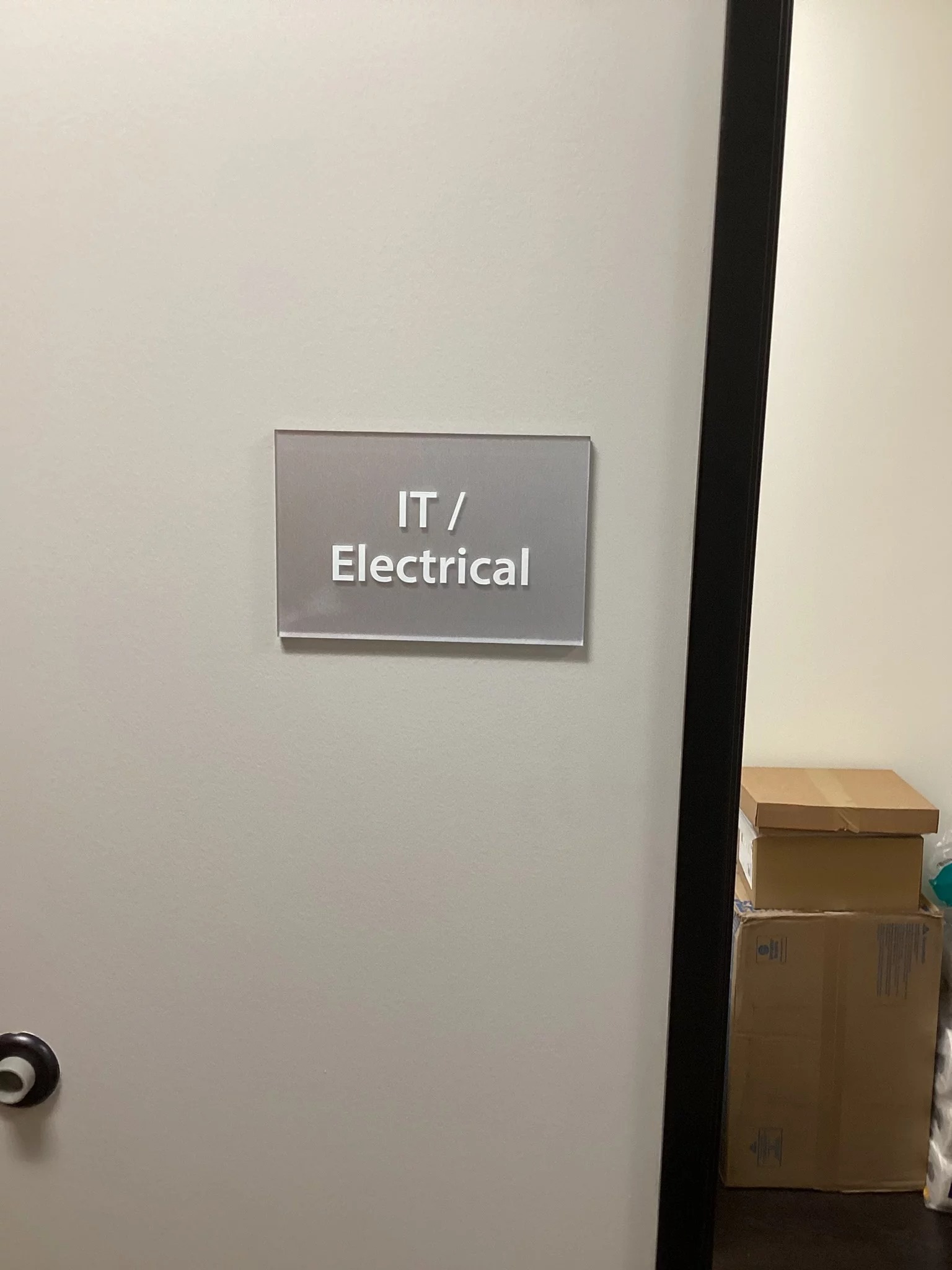
Running a business in Dallas comes with many responsibilities—from managing operations and employees to maintaining compliance with state and federal regulations. One area often overlooked by business owners is signage compliance, specifically ADA signs. These signs are more than just markers for restrooms or exits; they are a legal requirement that ensures accessibility and inclusivity for everyone, including individuals with disabilities.
In this guide, we’ll explore why ADA signs are essential for Dallas businesses, what the law requires, and how to stay compliant while maintaining your brand’s aesthetic appeal.
What Are ADA Signs?
ADA signs are designed to comply with the Americans with Disabilities Act (ADA), a federal law enacted in 1990 to protect the rights of individuals with disabilities. The Act covers various aspects of accessibility, including signage used in public spaces.
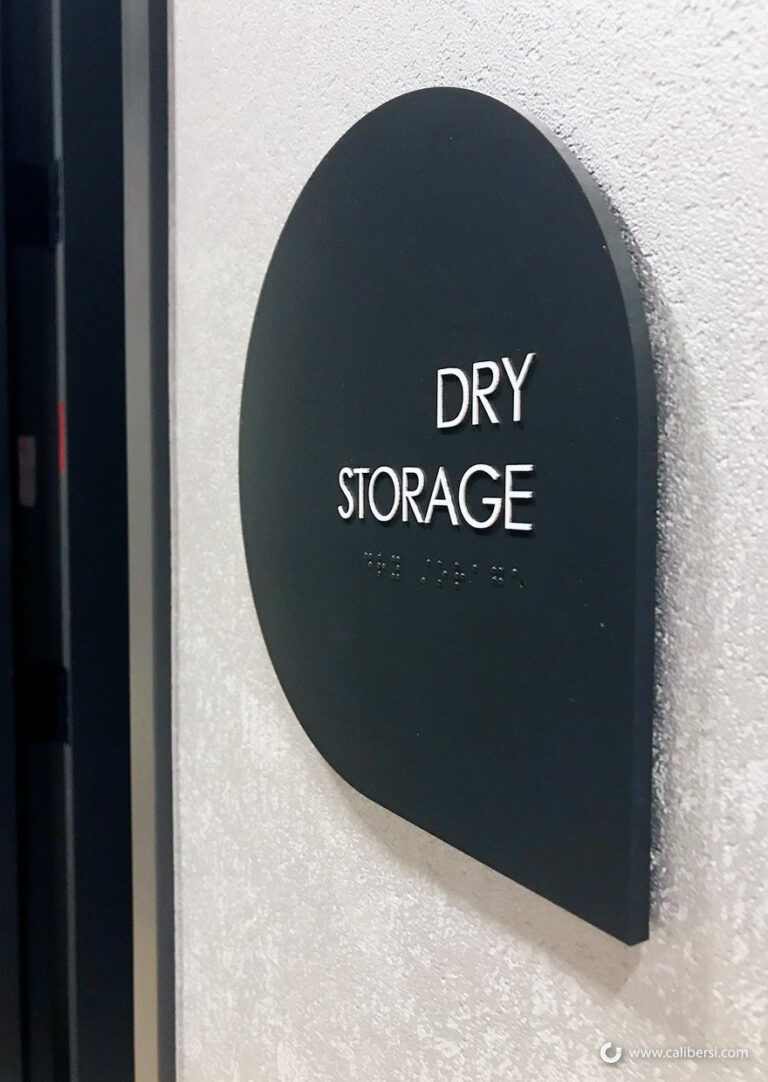
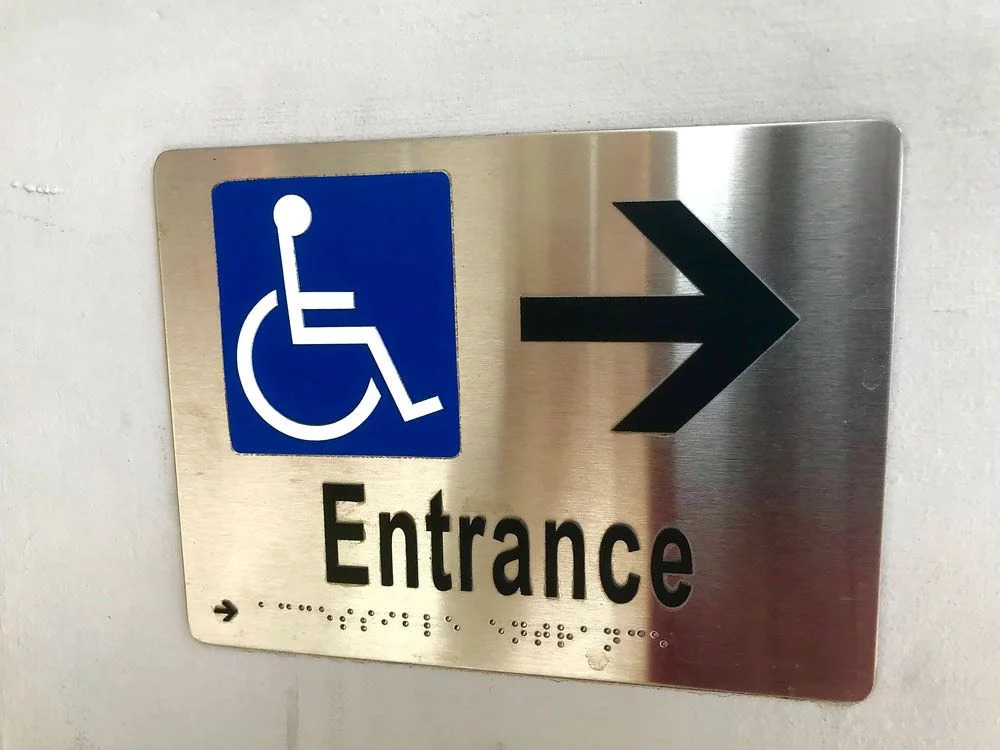
These signs are specifically created to provide information in a format that is easily understandable for all individuals, regardless of visual or physical impairments. Typically, ADA signs feature:
- Raised characters for tactile reading
- Braille translations
- High-contrast color schemes for readability
- Non-glare finishes to prevent reflections
In essence, ADA signage makes your facility navigable and inclusive, ensuring that everyone can find their way around safely and confidently.
Legal Requirements for Dallas Businesses
For Dallas business owners, complying with ADA sign regulations is not optional—it’s a legal obligation. The ADA mandates that certain types of signage be used in public buildings, offices, retail spaces, restaurants, schools, and other establishments that serve the public.
Key requirements include:
- Permanent room identification signs (e.g., restrooms, conference rooms, and exits) must have tactile text and Braille.
- Directional and informational signs must have a high contrast between the text and background.
- Mounting height and placement are standardized. For example, signs must typically be installed 48–60 inches above the floor to ensure accessibility for people in wheelchairs or with visual impairments.
- Non-glare finishes are mandatory to make text readable under different lighting conditions.
Failing to comply can lead to legal consequences, including fines and lawsuits. The Department of Justice (DOJ) enforces ADA compliance, and penalties can range from $75,000 for the first violation to $150,000 for subsequent offenses.
The Business Benefits of ADA Compliance
While ADA signs are a legal necessity, they also bring significant business advantages. Compliance is not just about avoiding penalties—it’s about showing your customers and employees that your business values inclusivity and accessibility.
1. Enhances Brand Reputation
When people see that your facility is accessible, it communicates empathy, professionalism, and social responsibility. Businesses that prioritize accessibility often gain positive community recognition and customer loyalty.
2. Expands Customer Base
According to the U.S. Census Bureau, nearly 1 in 4 adults in the U.S. lives with a disability. By ensuring ADA compliance, you open your doors to a broader audience and make your business welcoming to everyone.
3. Reduces Legal Risks
Staying compliant protects your business from costly lawsuits and compliance complaints. In Texas, ADA-related lawsuits have been on the rise, making it even more important for Dallas businesses to take proactive measures.
4. Improves Safety and Navigation
ADA signs aren’t only about legal compliance—they also contribute to a safer and more organized environment. Clear wayfinding and identification signage can help everyone, including visitors, navigate your space efficiently.
Common ADA Sign Mistakes Businesses Make
Even with the best intentions, many Dallas businesses make errors when installing ADA signs. Some of the most common mistakes include:
- Using decorative fonts or low-contrast colors that are hard to read.
- Installing signs too high or too low.
- Forgetting to include Braille or tactile lettering.
- Using shiny or reflective materials that make the sign hard to read under lighting.
To avoid these pitfalls, always work with a professional ADA sign maker in Dallas who understands both the legal standards and local building codes.
Designing ADA Signs That Match Your Brand
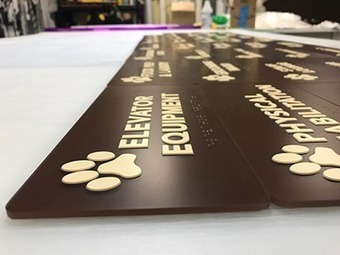
A common misconception is that ADA signs must look plain or generic. In reality, you can have custom ADA-compliant signs that align beautifully with your brand identity. Skilled Dallas sign companies can incorporate your business colors, logo, and design elements while ensuring full compliance.
For instance:
- A hotel can use elegant brushed metal ADA signs with engraved text.
- An office building might opt for frosted acrylic signs with tactile lettering.
- Retail stores can choose ADA-compliant signs that match their interior design theme.
With today’s technology and materials, compliance doesn’t mean compromising aesthetics.
Partnering with a Professional ADA Sign Company in Dallas
Navigating ADA requirements can feel overwhelming, especially with so many detailed specifications. That’s why partnering with a professional ADA sign maker in Dallas is the best way to ensure your signage meets both federal and local standards.
A reliable sign company will:
- Conduct an on-site survey to identify where ADA signs are required.
- Design and fabricate custom signs that fit your brand style.
- Handle installation to meet ADA height and placement guidelines.
- Offer ongoing support for updates or replacements as needed.
Final Thoughts
ADA signs are more than just a legal requirement—they’re a commitment to accessibility, equality, and good business ethics. For Dallas business owners, ensuring ADA compliance means protecting your company from legal risks while creating an inclusive environment for all visitors.
Whether you’re opening a new business or upgrading your facility, investing in ADA-compliant signage is not only the law—it’s the right thing to do.
If you’re ready to make your Dallas business compliant and welcoming, consider working with a trusted local sign company that specializes in ADA signage solutions. With the right partner, you can stay compliant, protect your business, and enhance your brand image—all at once.