





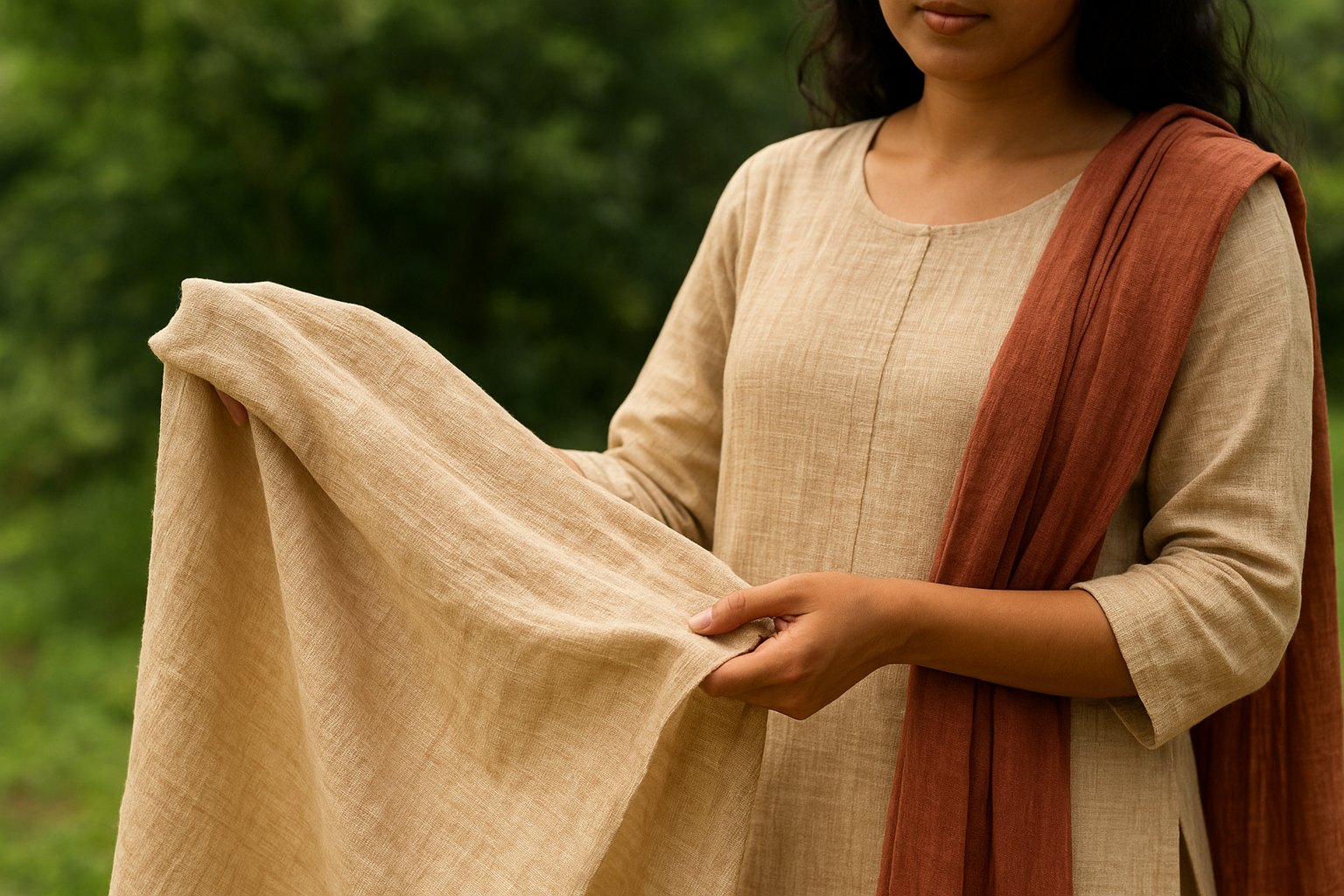
For decades, global fashion has relied on industrial-scale textiles synthetic fibers, chemical dyes, and fast production cycles. But as the industry faces mounting pressure to reduce its environmental footprint, many brands are shifting towards more sustainable, traceable, and ethical materials. One such material making a quiet but powerful comeback is Khadi fabric the handwoven textile that symbolizes craftsmanship, sustainability, and cultural heritage.
What Makes Khadi Different?
Khadi isn’t just another type of cotton or silk fabric; it’s a completely different way of producing textiles. Traditionally handspun and handwoven by artisans in India, Khadi represents the idea of self-reliance and eco-conscious production.
Unlike industrial fabric manufacturing, which consumes high amounts of electricity and water, Khadi is created using manual spinning wheels (charkhas) and handlooms. This process results in minimal carbon emissions and a significantly lower environmental impact. Each meter of Khadi carries the unique texture of human craftsmanship no two pieces are ever exactly alike.
The Sustainability Advantage of Khadi Fabric
The global movement toward sustainability isn’t only about organic materials; it’s about rethinking the entire supply chain. Khadi fits this model in several key ways:
1. Low Energy Production
Khadi is spun and woven manually, requiring little to no electricity. This makes it one of the most energy-efficient textiles in the world.
2. Natural and Biodegradable:
Most Khadi fabric suppliers use pure cotton, silk, or wool all of which are biodegradable and free from harmful synthetics.
3. Support for Rural Artisans:
Every purchase supports rural weavers and small artisan clusters, promoting fair wages and preserving traditional skills.
4. Zero Waste Process:
The production of Khadi generates minimal waste, and leftover yarns are often reused for smaller fabric blends or accessories.
Types of Khadi Fabrics Gaining Global Attention
The versatility of Khadi allows designers and brands to experiment with various fiber types and blends. Today’s handwoven Khadi fabric suppliers offer a range of sustainable options:
- Khadi Cotton Fabric: Lightweight, breathable, and ideal for both summer wear and layering. Global brands favor it for its natural comfort and organic appeal.
- Khadi Silk Fabric: Combines the sheen of silk with the texture of handspun yarns. It’s gaining popularity among designers looking for luxurious yet ethical materials.
- Khadi Wool and Blends: Suitable for winter collections, Khadi wool retains warmth while remaining sustainable and artisan-made.
Some sustainable Khadi fabric manufacturers also produce organic Khadi fabric wholesale, using pesticide-free cotton and natural dyes to meet eco-certification standards.
Why Global Fashion Brands Are Adopting Khadi
The shift toward Khadi is not limited to Indian labels. International fashion houses and sustainable designers are now exploring Khadi fabric suppliers for the following reasons:
1. Authenticity and Storytelling:
Consumers increasingly value transparency and cultural heritage. Khadi’s handcrafted nature gives brands a compelling narrative about craftsmanship and sustainability.
2. Circular Fashion Compatibility:
Khadi aligns perfectly with circular fashion principles — it’s renewable, recyclable, and biodegradable.
3. Customizable and Scalable:
Through wholesale Khadi fabric partnerships, brands can source large quantities while maintaining artisanal quality. Suppliers now offer consistent quality control and global shipping, making Khadi accessible to international markets.
4. Ethical Sourcing Goals:
Many brands have sustainability roadmaps that emphasize natural fibers, fair trade, and reduced emissions. Khadi fulfills all three without industrial intervention.
How Buyers and Designers Can Source Khadi Responsibly
Those looking to buy Khadi fabric online or through wholesale Khadi fabric suppliers should look for the following indicators of authenticity and ethical sourcing:
- KVIC Certification (Khadi and Village Industries Commission): Confirms genuine handspun, handwoven production.
- Fair-Trade or Organic Labels: Ensures ethical labor practices and sustainable materials.
- Supplier Transparency: Reliable Khadi fabric suppliers will provide information about artisan origins, fiber sources, and dyeing methods.
Designers can also collaborate directly with artisan clusters or cooperatives that specialize in organic Khadi fabric wholesale, ensuring fair compensation and genuine craftsmanship.
The Future of Khadi in Sustainable Fashion
As fashion continues to evolve toward eco-friendly practices, Khadi is poised to become a cornerstone of sustainable textiles. The blend of traditional weaving with modern design innovation offers limitless possibilities from minimalistic shirts and dresses to luxury accessories and home décor.
Global recognition of Khadi represents more than just a fabric trend; it reflects a movement toward mindful consumption, cultural appreciation, and environmental responsibility. With growing access to reliable Khadi fabric suppliers, the world is rediscovering the beauty of a textile that stands for both sustainability and soul.
Conclusion
Khadi isn’t just a sustainable material it’s a philosophy that unites craftsmanship, community, and conscience. As brands worldwide embrace eco-friendly fashion, Khadi fabric suppliers are helping bridge the gap between ethical production and global design innovation.

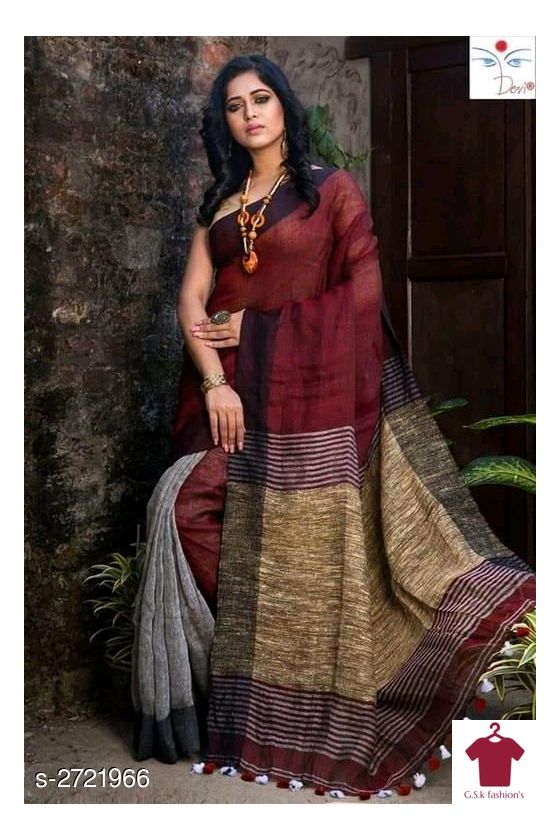
To enhance the sensual body curves to attract someone at one go with an astonishing collection of Khadi sarees from the global marketplace for designer sarees at Kaashmira.
The saree is formed of pure Khadi fabric with an exquisite indulgence of beautiful print work on both border and pallu to furnish you with a mesmerizing appearance for casual outings, office, regular, social meets and other homely events and parties.
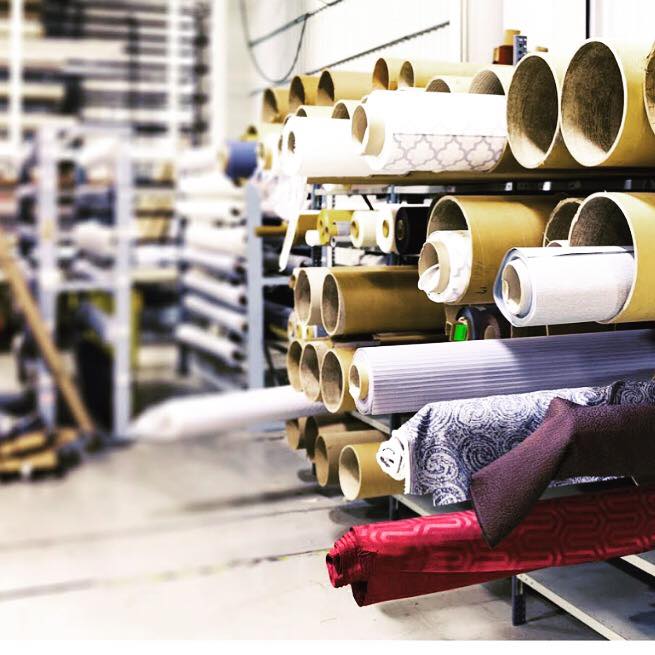
Do you need fabric wholesale for your cloth manufacturing business?
If you are searching for a wholesale fabric online store in California then check out Eagle Fabrics.
At Eagle Fabrics you will find a huge collection of sustainable fabric.
We have fabric for every type of clothing.
We have fabric for fashion wear, nightwear, outdoor wear and sportswear also.
Visit our showroom and check out our collection of sustainable fabric.