


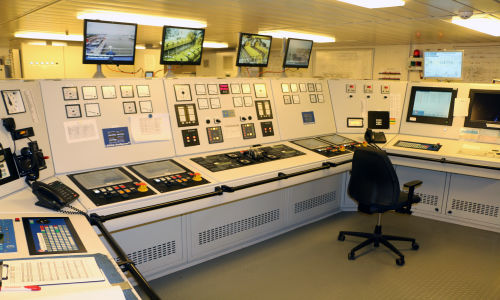
When we talk about ship engines, most people imagine huge diesel engines, turbochargers, propellers, and massive mechanical parts. But behind all these heavy-duty components lies the true “brain” of the engine — the engine control system. These systems monitor, control, and automate engine functions to keep vessels running smoothly, safely, and efficiently.
Modern vessels — from cargo ships and tugs to offshore supply vessels and large fishing boats — all depend heavily on engine control system equipments like sensors, actuators, ECUs, throttle controls, and alarm panels. When any of these fail, the consequences can be serious: loss of power, poor maneuvering, high fuel consumption, emergency shutdowns, or even accidents.
In India’s coastal environment, where ships deal with high humidity, salty air, monsoons, and aging fleets, engine control failures are quite common. In this blog, let’s break down the most common failures, their reasons, and simple fixes that every vessel operator must know.
✅ What Is a Marine Engine Control System?
An engine control system is basically the “central nervous system” of a ship’s engine. It uses a combination of:
- Sensors (temperature, pressure, RPM, fuel flow)
- Actuators (fuel control, throttle servos, valves)
- Electronic Control Units (ECU / PCM)
- Governor and fuel injection control
- Alarm & monitoring panels
- Data communication network (CANbus / Modbus)
All these components work together to:
✅ Control the fuel supply
✅ Maintain the correct RPM
✅ Regulate engine temperature & pressure
✅ Respond to bridge commands
✅ Trigger alarms & safety trips
✅ Optimise fuel efficiency
Without this engine control system equipment, modern ships simply cannot operate safely.
✅ Why Engine Control System Failures Are Common on Indian Vessels
India has a unique marine environment, and it creates challenges such as:
✅ 1. High Humidity & Moisture Ingress
Monsoons, engine room condensation, and water vapor can damage sensors and ECU boards.
✅ 2. Salt-Laden Air
Saltwater accelerates corrosion of wiring, connectors, and actuator housings.
✅ 3. Ageing Fleet
Many Indian vessels are over 15–25 years old, making electrical failures more frequent.
✅ 4. Heavy Workload in Ports
Vessels doing towing, dredging, or continuous maneuvering face more stress on the control system.
✅ 5. Limited Skilled Technicians
Shortage of trained marine electricians results in delayed or incorrect repairs.
According to marine safety studies, 30–40% of ship failures are linked to engine control malfunctions, not mechanical issues.
✅ Common Engine Control System Failures on Ships
Let’s look at the most frequent problems seen in Indian coastal and offshore vessels.
1. Sensor Failures
Sensors measure critical parameters like:
- Pressure
- Temperature
- Level
- RPM
- Fuel flow
Common causes:
- Corrosion
- Loose wiring
- Water ingress
- Overheating
- Dust and dirt in engine rooms
A single sensor failure can trigger false alarms or even emergency shutdowns.
2. ECU (Engine Control Unit) Malfunction
ECU is like the “computer” of the engine.
Problems include:
- Software glitches
- Moisture damage
- Burnt chips due to voltage spikes
- Loose connectors
- Overheating
In Indian vessels, ECU failures often happen because of poor ventilation inside the engine room or salt corrosion.
3. Governor Control Issues
Marine governors regulate fuel supply and engine speed.
Common failures:
- Mechanical wear
- Incorrect calibration
- Oil contamination (for hydraulic governors)
- Sticky linkage
These causes:
- RPM fluctuations
- Slow acceleration
- Engine hunting
4. Alarm & Monitoring Panel Failure
When panels fail, the crew cannot monitor engine health.
Causes include:
- PCB board damage
- Screen/display failure
- Power supply fluctuation
- Loose connector terminals
5. Actuator Malfunction
Actuators control:
- Fuel racks
- Exhaust valves
- Air–fuel ratio
- Turbocharger vane settings
Common issues:
- Jamming
- Low voltage
- Incorrect signal input
- Mechanical wear
Faulty actuators reduce engine response and increase fuel consumption.
6. Wiring and Electrical Issues
One of the most common problems with aging Indian vessels.
Issues include:
- Burnt wires
- Loose terminals
- Corroded connectors
- Short circuits
- Rodent bites in poorly maintained engine rooms
Loose electrical connections cause random errors in control systems.
7. Engine Not Responding to Bridge Commands
This is dangerous during port maneuvers.
Reasons:
- CANbus/communication failure
- Bridge control unit malfunction
- Servo motor issues
8. Throttle Control Problems
Symptoms:
- Slow throttle movement
- Jerky acceleration
- Sticking throttle
Causes:
- Worn control cables
- Weak actuator motors
- Faulty position sensors
9. Overheating & Emergency Shutdowns
A major cause of emergency engine stops includes:
- Broken cooling sensors
- Improper trip settings
- Bad temperature readings
Marine reports show over 25% of overheating alarms are caused by sensor issues, not actual engine temperature.
✅ Symptoms of Engine Control System Failure
Keep an eye out for these signs:
- Irregular engine RPM
- Slow engine response
- Unexpected alarms
- Sudden drop in power
- High fuel consumption
- Engine room panel flickering
- Difficulty maneuvering in ports
Ignoring these symptoms can lead to serious damage.
✅ How to Fix Common Engine Control System Failures
Here are practical solutions followed by Indian marine engineers:
✅ 1. Fixing Sensor Failures
- Clean sensor heads
- Check cable continuity with a multimeter
- Replace faulty sensors
- Install waterproof covers
A sensor costs much less than a full system failure.
✅ 2. Fixing ECU Issues
- Load updated software firmware
- Dry moisture using safe heating tools
- Replace corroded connectors
- Install vibration-proof and waterproof ECU mounts
If the ECU is burnt, replacement is the only option.
✅ 3. Fixing Governor Problems
- Recalibrate the governor
- Clean filter screens and oil lines
- Replace worn linkage parts
- Check the governor actuator voltage
Regular calibration improves engine stability.
✅ 4. Fixing Alarm Panel Issues
- Clean PCB board
- Replace faulty display screens
- Tighten terminals
- Check the fuse and voltage supply
✅ 5. Fixing Actuator Failures
- Free stuck actuators
- Replace worn servo motors
- Check the control signal
- Inspect the hydraulic/electrical line
✅ 6. Fixing Wiring & Electrical Problems
- Replace corroded wires
- Tighten loose terminals
- Use marine-grade insulation
- Install rodent protection covers
✅ 7. Fixing Communication Failures
- Diagnose CANbus network
- Replace damaged connectors
- Check bridge-to-engine communication cables
✅ Preventive Maintenance to Avoid Engine Control Failures
Preventive maintenance reduces failures by up to 60–70%.
✅ 1. Regular Sensor Calibration
Ensures accurate readings for fuel, pressure, temperature, and RPM.
✅ 2. Keep Wiring Clean & Protected
Salt + humidity = corrosion.
✅ 3. Protect ECU from Moisture
Use sealed cabinets and dehumidifiers.
✅ 4. Routine Alarm Testing
Prevents false alarms and emergency trips.
✅ 5. Maintain Clean Engine Rooms
Less dust = fewer electrical failures.
✅ 6. Check Backup Power Systems
Batteries, fuses, and emergency power must be operational.
✅ 7. Conduct Sea Trial Simulations
Checking engine response under load reveals hidden faults.
✅ Impact of Ignoring Engine Control System Failures
If not fixed in time, failures can cause:
- Fuel waste (up to 10–15%)
- Loss of power during critical operations
- Unexpected breakdowns
- Port delays & financial penalties
- Non-compliance with class rules
- Higher repair costs
- Risk of collision or grounding
Engine control system equipment is small in size but extremely powerful in its role.
✅ Conclusion
Modern ships rely heavily on engine control system equipment to operate safely, efficiently, and reliably. But Indian coastal conditions—humidity, salinity, heat, and aging vessels—can cause frequent failures if systems are not maintained properly.
By understanding common failures and applying simple fixes like cleaning sensors, protecting wiring, updating ECUs, and performing regular calibration, operators can significantly reduce risks. Reliable engine control systems mean:
✅ Better fuel economy
✅ Smooth maneuvering
✅ Higher safety
✅ Less downtime
✅ Longer engine life
A small preventive effort today can save lakhs in costly repairs tomorrow.



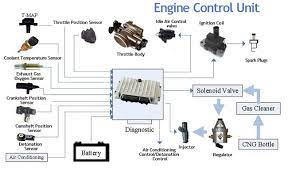
The new research report titled "Engine Control Modules Market, Global Industry Analysis, and Forecast to 2027" gives a detailed analysis and future forecasts of the market.
The report highlights the significant players, including market size, share, and demand, development.
This report further covers the latest trends, technological advancements, and growth opportunities.The research report also covers the comprehensive profiles of the key players in the market and an in-depth view of the competitive landscape worldwide.
The major players in the engine control modules market include A1 Cardone, AC Delco, Autoliv, Bosch Motorsport, Continental, Delphi Technologies Plc, Denso, DEUTZ, EControls, Hitachi Automotive, and Others.
This section includes a holistic view of the competitive landscape that includes various strategic developments such as key mergers & acquisitions, future capacities, partnerships, financial overviews, collaborations, new product developments, new product launches, and other developments.Get more information on "Global Engine Control Modules Market Research Report" by requesting FREE Sample Copy at https://www.valuemarketresearch.com/contact/engine-control-modules-market/download-sampleMarket DynamicsThe rapidly growing automotive sector across the globe is primarily driving the market growth.
The technological advancement associated with the electric vehicle system is again accelerating market growth.