Have you ever wondered why you feel tired all the time, even after getting a full night’s sleep? Fatigue that doesn’t seem to go away could be more than just a busy lifestyle — it might be a sign of iron deficiency, one of the most common nutritional deficiencies in the world. Iron is an essential mineral that plays a vital role in keeping your body energized, alert, and strong. Without enough of it, your body struggles to produce the oxygen-carrying cells that fuel your muscles and brain.
In this blog post, we’ll explore how iron deficiency affects your energy levels, the science behind it, common symptoms, causes, and effective ways to restore your iron balance naturally.
The Crucial Role of Iron in the Body
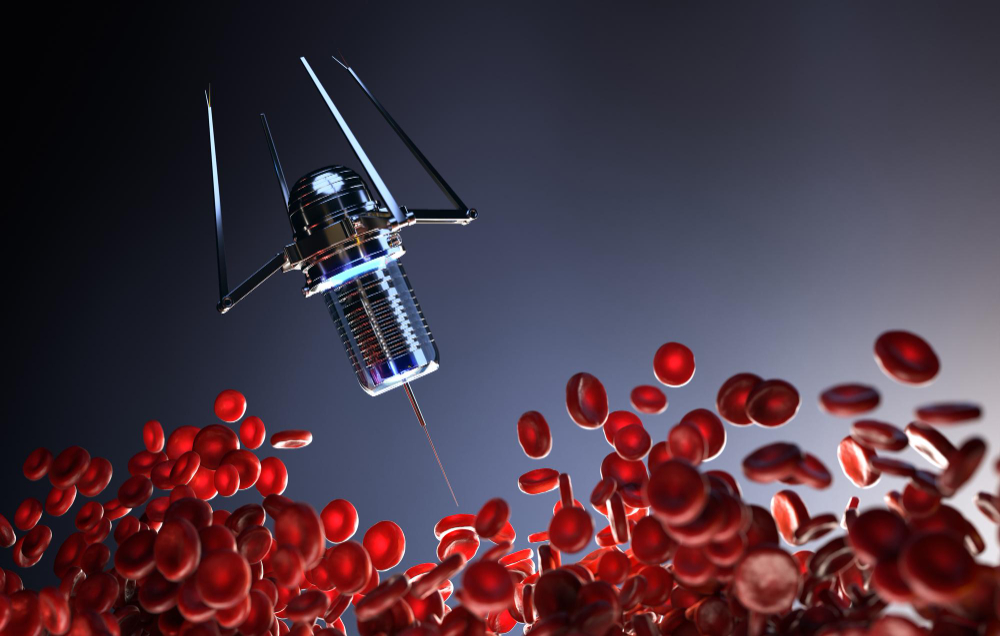
Iron is a trace mineral, but don’t let the word “trace” fool you — its functions are fundamental to life. The majority of the body’s iron is found in hemoglobin, a protein in red blood cells that carries oxygen from your lungs to tissues and organs throughout the body. It’s also a key component of myoglobin, which helps deliver oxygen to your muscles.
Without enough iron, your body can’t produce enough healthy red blood cells. That means less oxygen reaches your cells — and oxygen is the fuel your body needs to generate energy. When oxygen supply is limited, your muscles tire easily, your brain becomes foggy, and your overall vitality declines.
Iron also supports several other functions that indirectly affect energy, such as:
- Enzyme production involved in metabolism.
- Immune system health, helping you stay active and resilient.
- Hormone regulation, particularly those linked to mood and sleep.
How Iron Deficiency Leads to Low Energy
Iron deficiency sets off a chain reaction in your body. Here’s how it impacts your energy at different levels:
1. Reduced Oxygen Transport
When you don’t have enough iron, hemoglobin levels drop. This condition, known as iron deficiency anemia, means your red blood cells can’t carry sufficient oxygen. Imagine trying to run your car on half a tank — it’ll sputter and slow down. Similarly, your cells can’t produce enough energy through aerobic metabolism, leading to fatigue and weakness.
2. Impaired Muscle Function
Muscles depend on oxygen to contract efficiently. Low iron reduces the amount of myoglobin in muscles, which makes them tire quickly during physical activity. Even climbing stairs or carrying groceries can feel like a workout when your muscles are oxygen-deprived.
3. Brain Fog and Cognitive Fatigue
Your brain is a high-energy organ that consumes about 20% of the body’s oxygen supply. When oxygen delivery drops, you might experience difficulty concentrating, forgetfulness, and mental fatigue. This is why iron deficiency often leads to a “foggy” feeling or reduced focus during the day.
4. Disrupted Metabolism
Iron is involved in converting nutrients like carbohydrates, fats, and proteins into usable energy. With low iron, your metabolic processes slow down, causing sluggishness and low stamina, even if you’re eating enough calories.
5. Impact on Sleep and Mood
Interestingly, low iron levels are linked with restless leg syndrome (RLS) and poor sleep quality. Iron is needed for dopamine production — a neurotransmitter that influences mood and movement. When iron is lacking, it can cause both insomnia and mood swings, compounding fatigue further.
Recognizing the Symptoms of Iron Deficiency
Iron deficiency can develop gradually, often going unnoticed until it becomes severe. The symptoms can vary, but most are related to oxygen deprivation and reduced energy. Common signs include:
- Constant fatigue or weakness
- Pale or dull skin
- Shortness of breath, especially during light activity
- Dizziness or lightheadedness
- Cold hands and feet
- Headaches
- Rapid heartbeat or palpitations
- Brittle nails or hair loss
- Difficulty concentrating or “brain fog”
- Restless legs or trouble sleeping
In women, heavy menstrual bleeding can worsen iron loss, while in men, chronic fatigue or low stamina might be the first clue that iron levels are low.
Who Is at Risk of Iron Deficiency?
Iron deficiency can affect anyone, but some groups are more vulnerable due to higher needs or reduced absorption:
1. Women of Reproductive Age
Menstrual blood loss is a major cause of iron deficiency in women. The more frequent or heavier the cycles, the greater the risk.
2. Pregnant and Breastfeeding Women
During pregnancy, the body needs extra iron to support the growing fetus and increased blood volume. Without adequate supplementation, deficiency is common.
3. Children and Teenagers
Growth spurts increase iron demands, especially in teenagers who may also have irregular diets.
4. Vegetarians and Vegans
Plant-based diets can be low in heme iron (the most absorbable form found in animal products). Non-heme iron from plants is less efficiently absorbed, so vegetarians need to plan their diets carefully.
5. Athletes
Endurance athletes, particularly women, may lose iron through sweat and minor intestinal bleeding during intense workouts. This can contribute to exercise-related fatigue.
6. Older Adults
Aging can reduce stomach acid, which is necessary for iron absorption. Older adults may also eat less meat or have chronic diseases affecting absorption.
The Hidden Causes Behind Low Iron Levels
Apart from dietary insufficiency, several underlying issues can cause or worsen iron deficiency:
- Poor absorption: Conditions like celiac disease, Crohn’s disease, or gastric surgeries can impair iron uptake.
- Chronic blood loss: From ulcers, hemorrhoids, or internal bleeding.
- Frequent blood donation: Regular donors may experience lower iron stores.
- Inadequate intake: Skipping iron-rich foods or relying on restrictive diets.
- Excess caffeine or calcium: Both can reduce iron absorption when consumed with meals.
Understanding the root cause is crucial — supplementing iron without addressing the reason for deficiency can lead to recurring fatigue.
Diagnosing Iron Deficiency
If you suspect iron deficiency, don’t self-diagnose. Fatigue can stem from various health conditions. A simple blood testcan confirm your iron status. Doctors usually check:
- Hemoglobin (Hb) – Measures oxygen-carrying capacity.
- Ferritin – Indicates stored iron levels (low ferritin is an early sign).
- Transferrin saturation – Reflects how much iron is bound to transport proteins.
Your doctor can then determine whether you’re mildly deficient or anemic and suggest appropriate treatment.
How to Restore Iron Levels and Boost Energy
Recovering from iron deficiency takes time and consistency, but the good news is — it’s completely manageable. Here’s how you can rebuild your iron levels and reclaim your energy naturally:
1. Eat Iron-Rich Foods
There are two types of dietary iron:
Heme Iron: Found in animal products and easily absorbed by the body.
Best sources: Red meat, poultry, liver, seafood (especially clams and oysters).
Non-Heme Iron: Found in plant-based foods but less efficiently absorbed.
Best sources: Lentils, beans, tofu, spinach, kale, pumpkin seeds, quinoa, and fortified cereals.
Tip: Pair plant-based iron foods with vitamin C-rich foods (like citrus fruits, bell peppers, or tomatoes) to enhance absorption. Avoid drinking tea, coffee, or milk immediately after meals — these can block iron uptake.
2. Take Iron Supplements (If Prescribed)
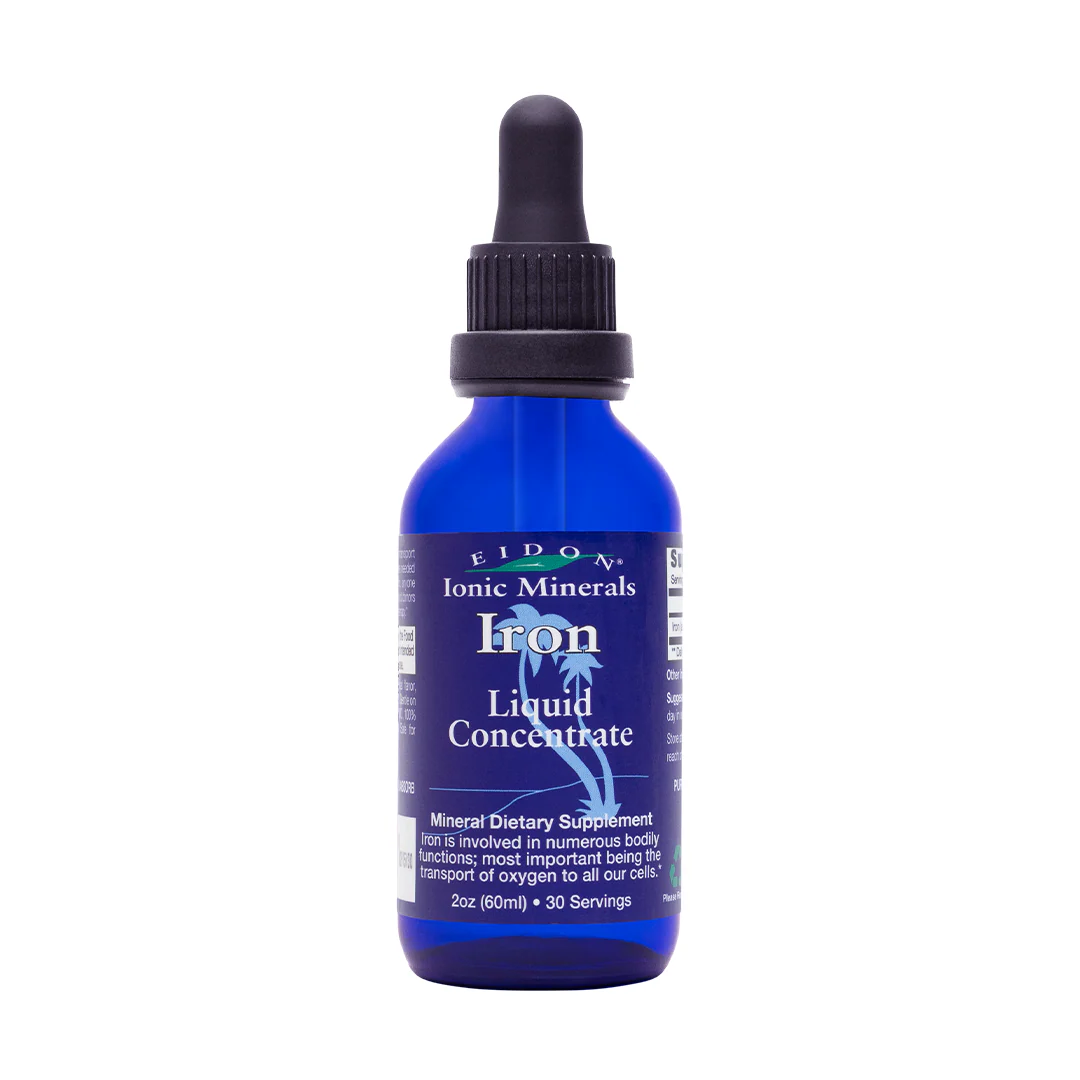
Sometimes, diet alone isn’t enough to correct a deficiency. In such cases, doctors may recommend iron supplements, typically in the form of ferrous sulfate, gluconate, or fumarate. These can help replenish iron stores faster, but they should only be taken under medical supervision, as excessive iron can cause toxicity or digestive discomfort.
If you experience side effects like constipation or stomach upset, your doctor may suggest liquid iron or slow-release capsules that are gentler on the stomach.
3. Support Absorption Naturally
Avoid taking iron with calcium supplements or antacids.
Space out coffee or tea by at least an hour after meals.
Include probiotics (like yogurt or fermented foods) to improve gut health and nutrient absorption.
4. Address Underlying Causes
If your deficiency is due to heavy bleeding, digestive issues, or chronic illness, treating the root cause is essential for long-term energy improvement.
5. Maintain a Balanced Diet
Once your iron levels normalize, maintain them through a balanced diet rich in protein, leafy greens, and whole grains. Don’t rely solely on supplements for extended periods — natural food sources are always safer and more sustainable.
How Long Does It Take to Regain Energy?
Iron supplementation usually starts showing results in 2 to 4 weeks, but restoring your full energy reserves may take 3 to 6 months depending on the severity of deficiency. Consistency is key — stopping supplements too early can cause your levels to drop again. Regular follow-up blood tests can help track your progress.
Iron and Energy: The Mind-Body Connection
Beyond the physical effects, iron deficiency can take a toll on your emotional and mental health. Studies show that low iron levels are linked with symptoms of depression, irritability, and lack of motivation. The fatigue you feel isn’t just in your muscles — it’s also in your mind.
Replenishing iron can bring remarkable improvements not just in physical stamina, but also in mental clarity, mood, and focus. You’ll likely notice:
- Brighter skin and fewer dark circles
- Better concentration
- Improved exercise tolerance
- A calmer, more balanced mood
- Renewed enthusiasm for daily activities
That’s because when your body gets the oxygen it needs, every cell — including those in your brain — starts performing at its best.
The Bottom Line
Iron deficiency is one of the most overlooked causes of chronic fatigue. When your iron stores run low, your body struggles to produce the oxygen your cells need to create energy — leading to tiredness, weakness, and lack of motivation.
The good news? With the right combination of diet, supplementation, and medical guidance, it’s entirely reversible. Paying attention to your iron intake, especially if you belong to a high-risk group, can help you maintain steady energy levels, a sharper mind, and better overall health.
So, if you’ve been feeling unusually drained lately, don’t just chalk it up to stress. Check your iron — it might be the missing link to restoring your vitality.