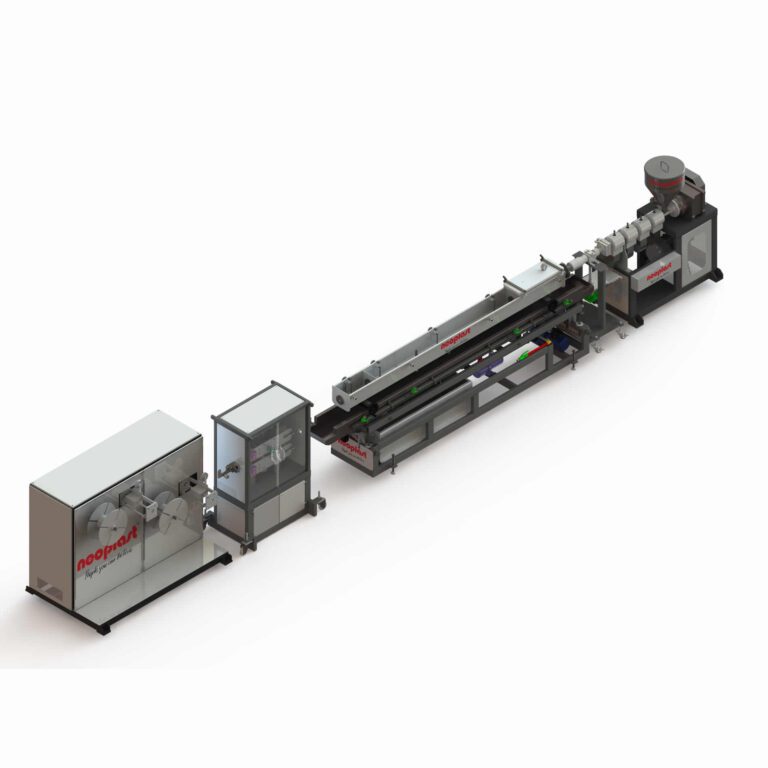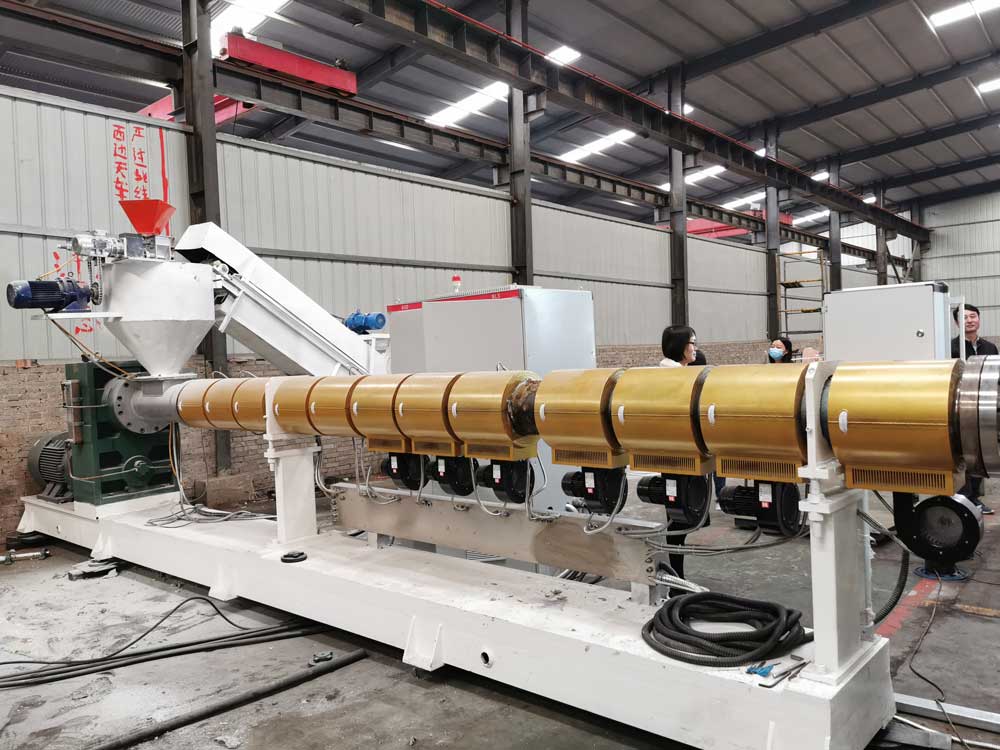


In plastic extrusion manufacturing, the downstream process is just as crucial as the extrusion itself. Once molten plastic leaves the extruder die, it enters a series of downstream plastic extrusion equipment that shape, cool, and finish the product to meet precise specifications. Among these, pullers, cutters, and saws work in harmony to maintain accuracy, consistency, and productivity across every production line.
The Role of Pullers in Extrusion
Downstream plastic extrusion pullers are responsible for maintaining constant tension and speed as the extruded profile moves through cooling tanks and other downstream stations. Without precise pulling control, the product’s dimensions and surface finish can vary significantly.
Pullers come in several types — caterpillar pullers, belt pullers, and servo-driven pullers — depending on the material and line speed requirements. The puller ensures the extrudate moves smoothly without stretching, compressing, or distorting, especially in delicate profiles like tubing or medical catheters.
A trusted downstream plastic extrusion equipment manufacturer designs pullers with advanced controls that synchronize perfectly with the extruder’s output, allowing for real-time adjustments that enhance product uniformity.
Precision Cutting for Consistent Lengths
Once the extrudate reaches its full form, it must be cut into precise lengths. This is where cutters play a critical role in the downstream process. Automatic flying cutters, guillotine cutters, and rotary cutters are commonly used to ensure continuous operation without stopping the extrusion line.
Modern cutters utilize servo control systems and sensors to measure and cut accurately, even at high line speeds. This ensures consistent product dimensions — a vital requirement for industries like automotive, construction, and medical tubing.
When cutters are properly synchronized with pullers, they maintain smooth motion and prevent deformities at the cut ends. The result is a cleaner, more professional finish that reduces material waste and improves overall efficiency.
The Function of Saws in Heavy-Duty Extrusion
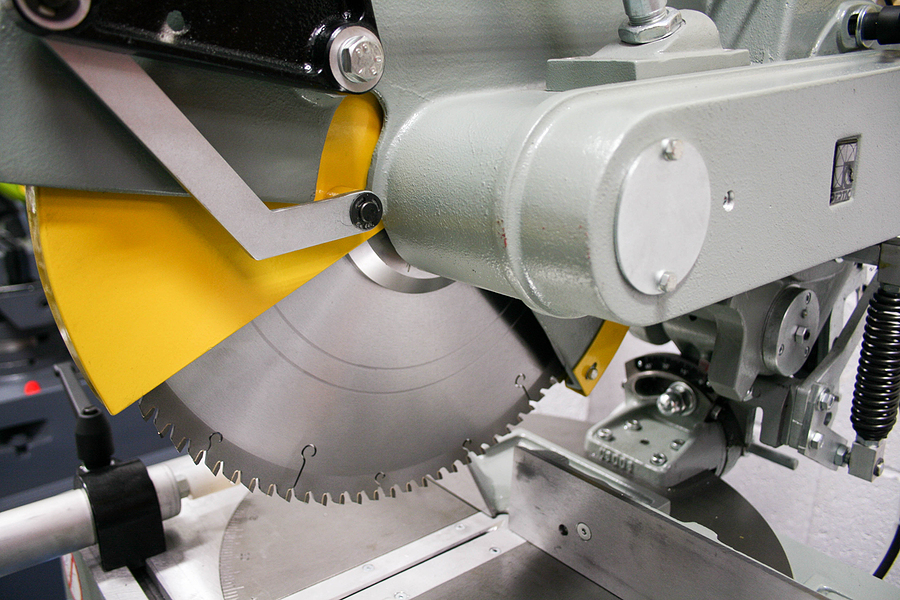
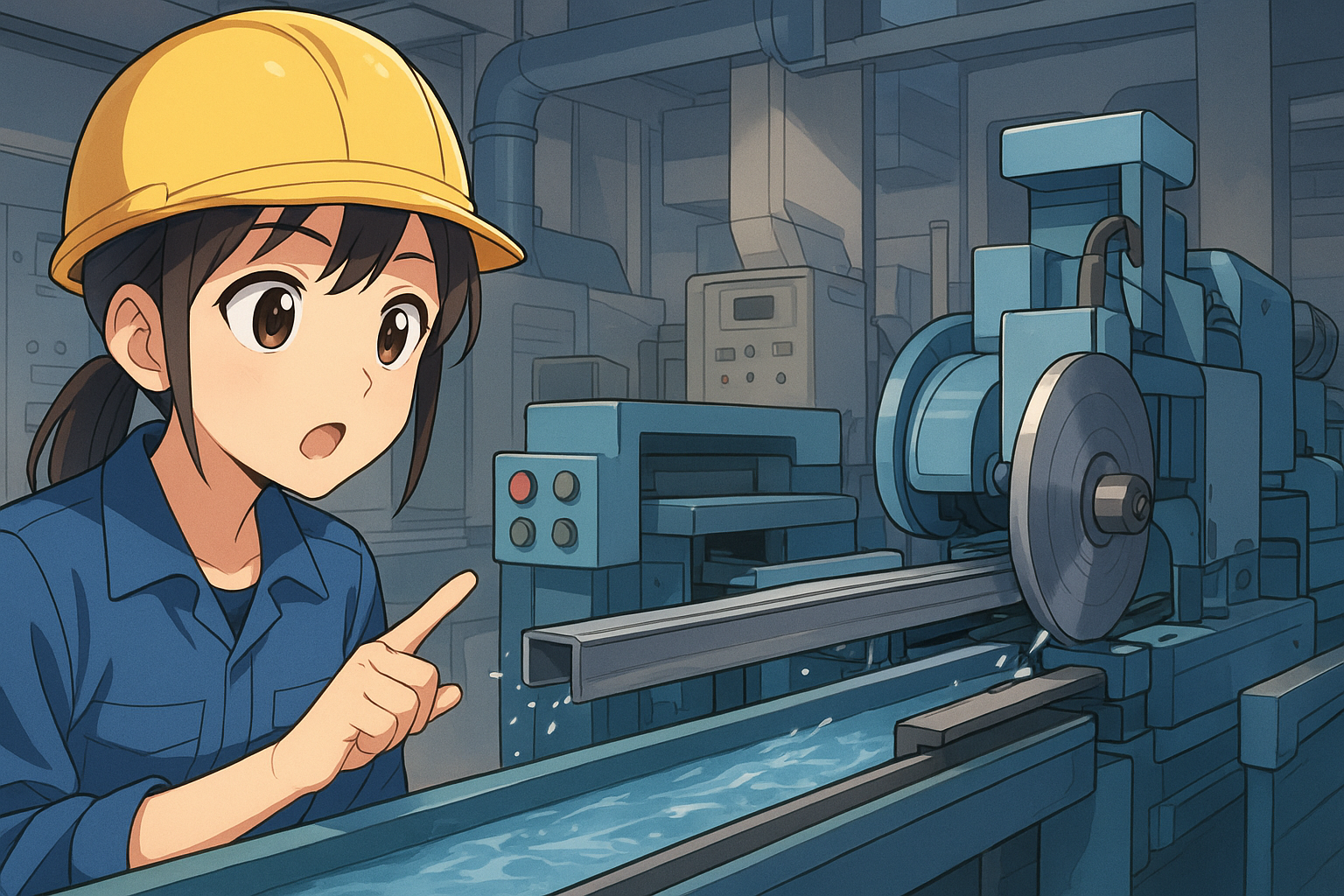
In applications involving larger or thicker extrusions — such as pipes, heavy tubing, or profiles — saws replace or complement cutters. Precision saws can handle harder materials and thicker wall sections where simple blade cutters are insufficient.
High-speed traveling saws follow the extrusion’s movement during cutting to prevent distortion. These saws are engineered with advanced safety features, dust extraction systems, and automated feeding controls for consistent, clean results.
A well-designed downstream extrusion for medical extrusion lines also relies on specialized saws and cutting systems that prevent contamination and ensure ultra-smooth edges for patient-safe products.
Integration with Coiling, Reeling, and Spooling Systems
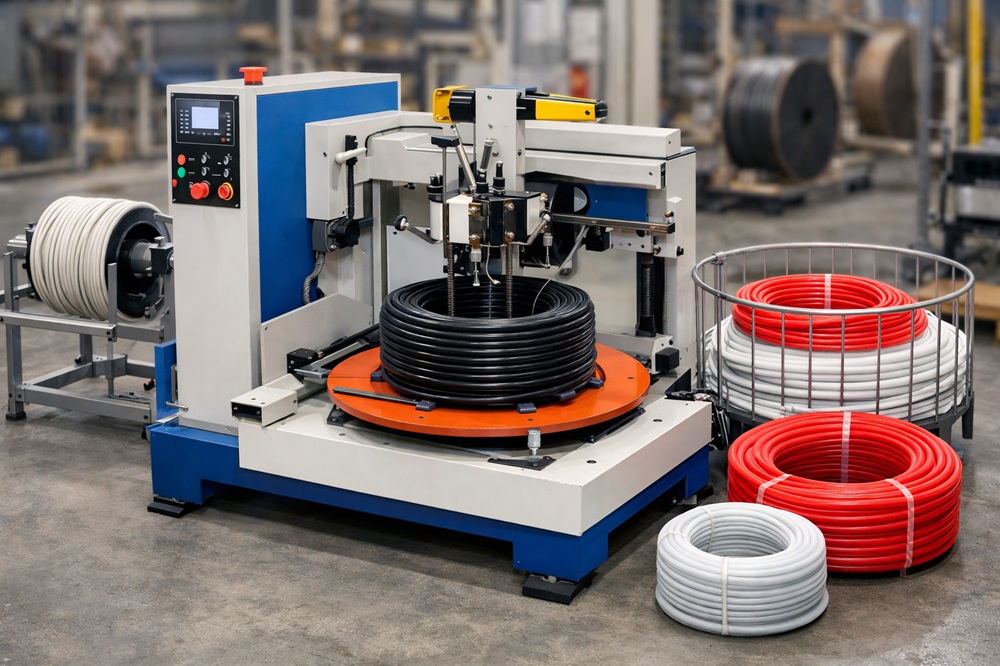
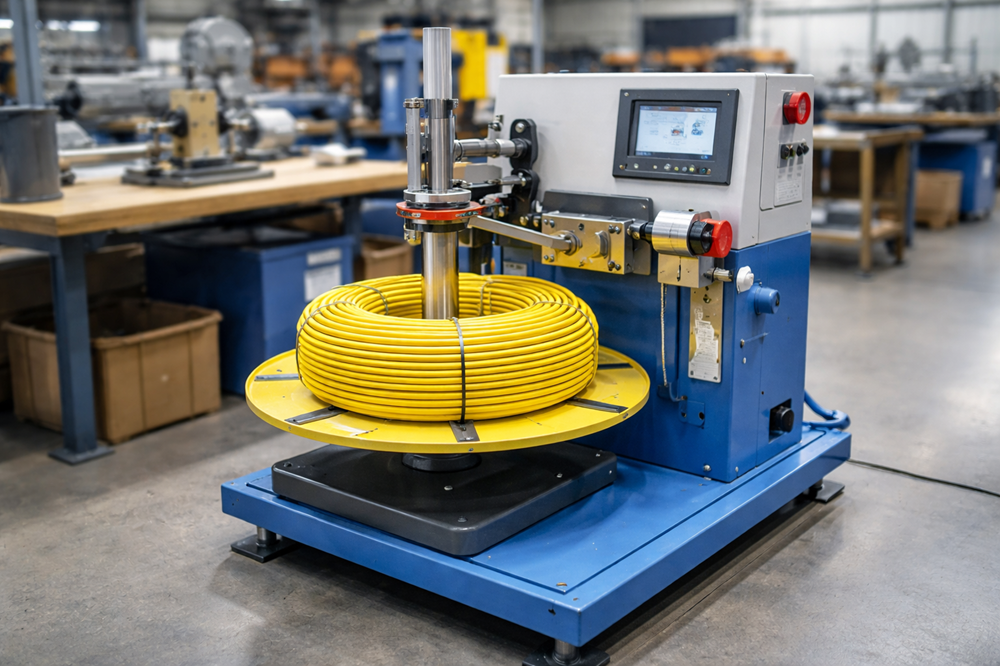
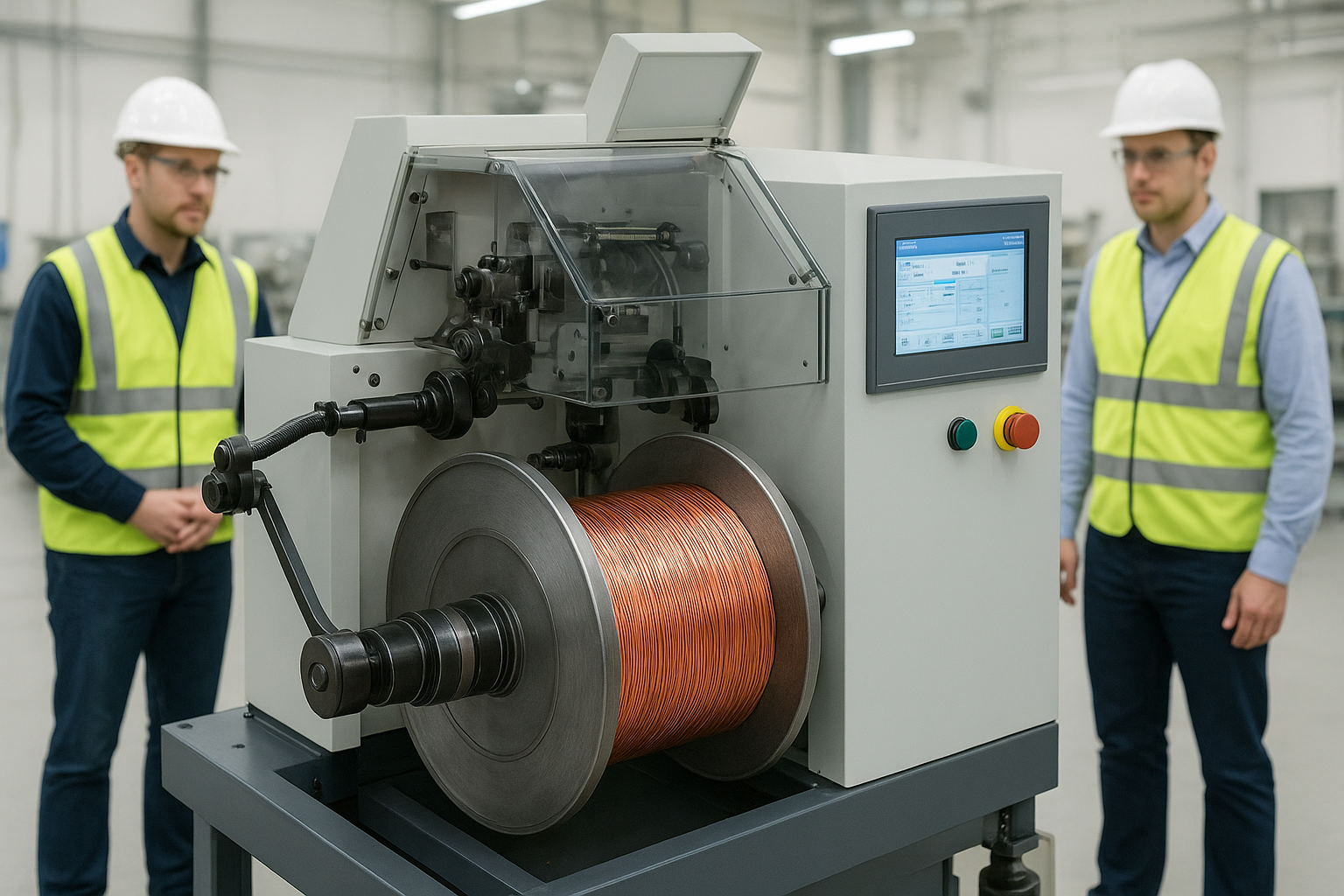
Beyond cutting and sawing, the final stage in many extrusion lines involves winding or packaging the finished product. The best coiling, reeling and spooling machines are essential for flexible materials such as tubing, wire, or cable.
These machines maintain uniform tension and coil density, ensuring easy handling during storage or transport. When seamlessly integrated with pullers and cutters, coilers ensure that every finished roll is neat, consistent, and ready for shipment.
The Power of Synchronization
The key to efficient downstream extrusion lies in synchronization. When pullers, cutters, saws, and coiling systems communicate in real time, they maintain steady production speeds and minimize downtime. This coordination enhances output quality, reduces waste, and improves operator safety.
By partnering with an experienced downstream plastic extrusion equipment manufacturer, businesses can design systems where each component — from puller to saw — works as part of a unified process. The result is higher productivity, lower maintenance costs, and a superior final product.
Original Source:- https://shorturl.at/28YY8