

Coiling and winding machines are key parts of wire and cable manufacturing. They help shape wire into neat coils for storage, transport, and use. A wire and cable coil winding machine saves time and improves quality compared to manual processes. This guide explains light-duty coiling machines in simple terms so manufacturers, engineers, and plant managers can make informed choices.
What Are Light-Duty Coiling Machines?
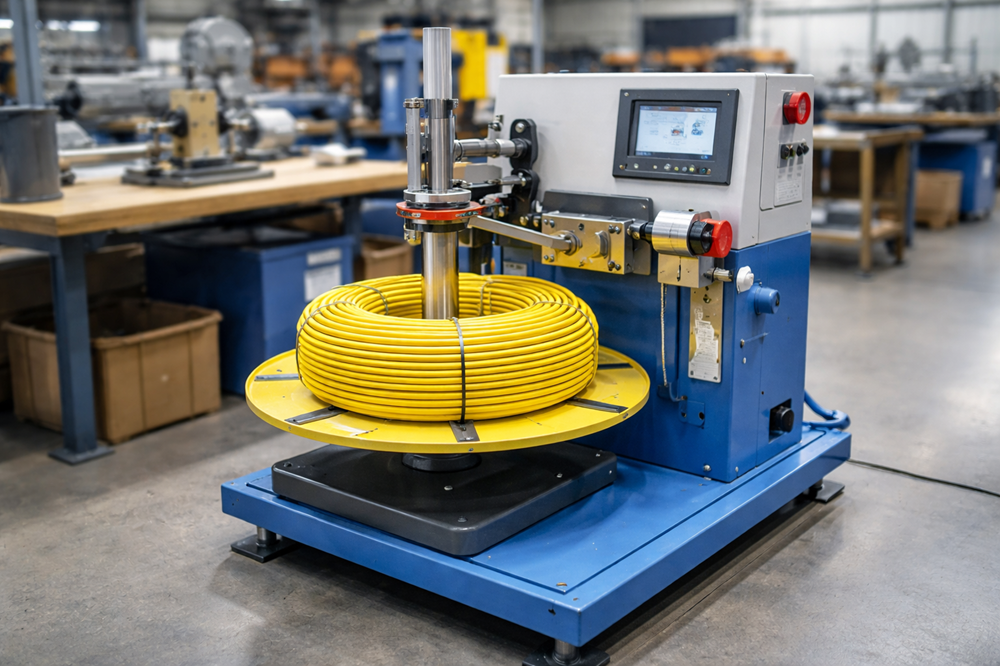
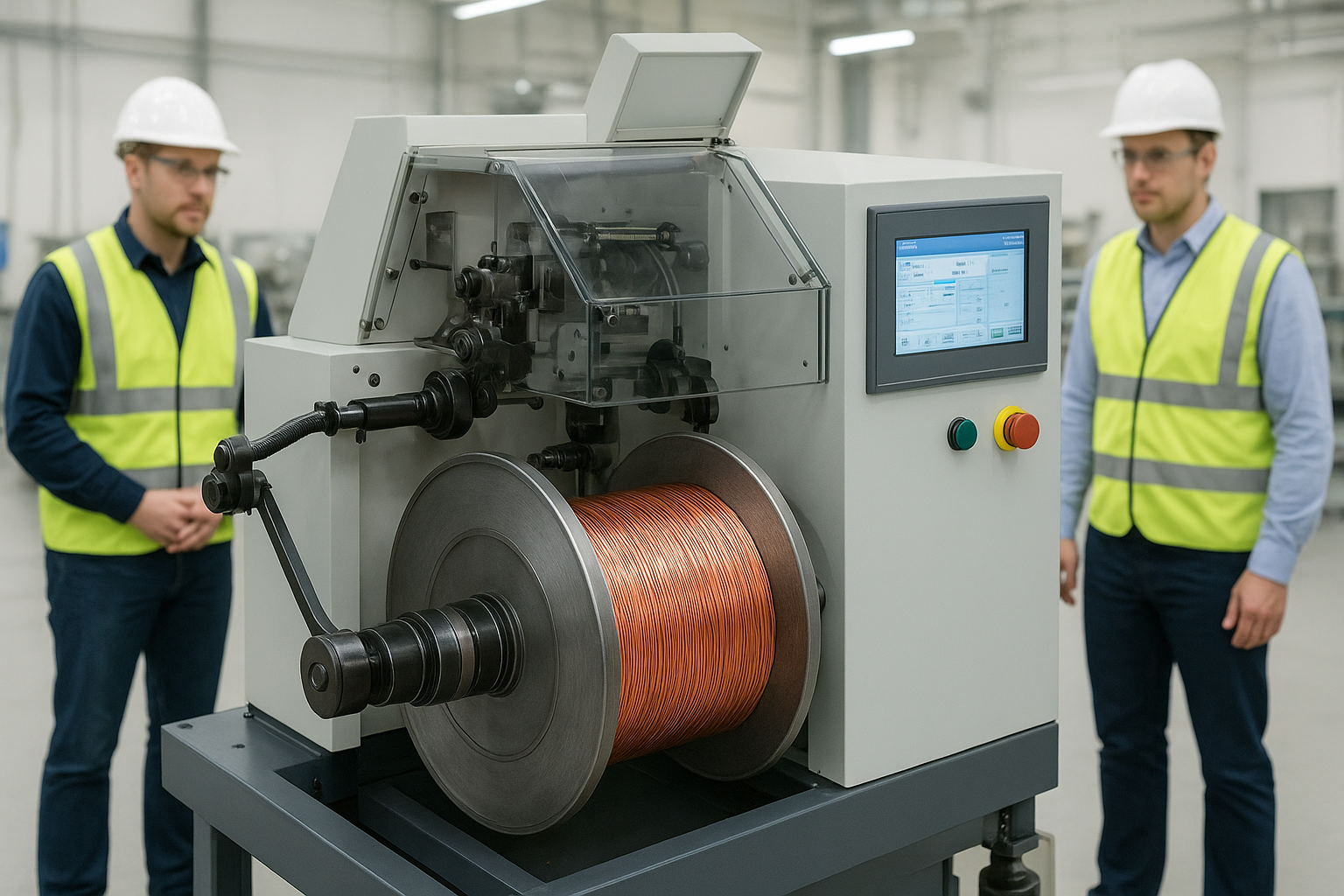
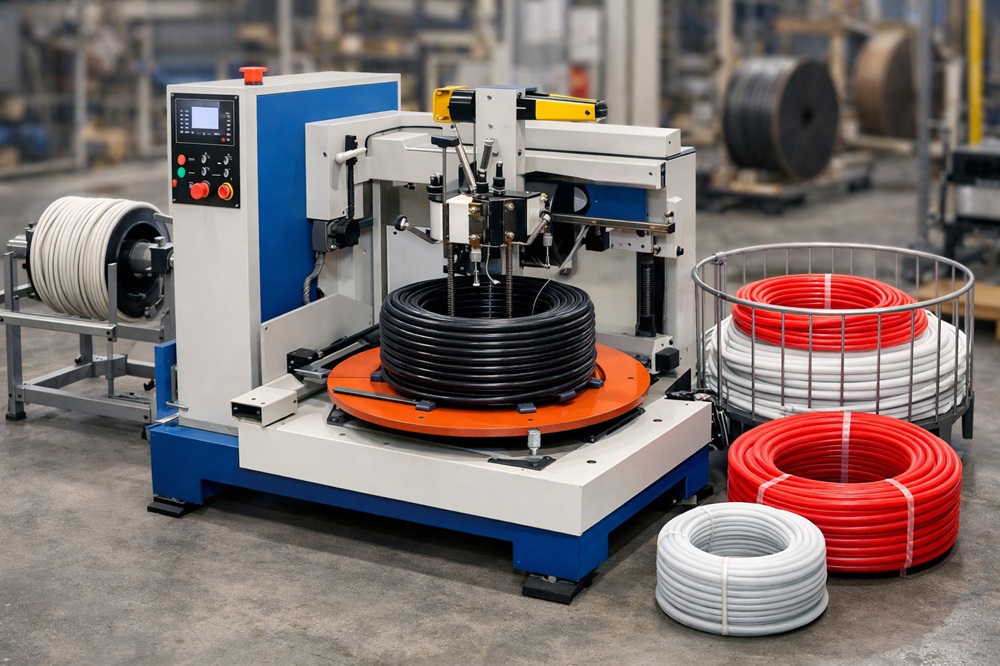
A light-duty coiling machine is a tool that winds wire, cable, or other flexible material into tight, even coils. These machines are ideal for small- to medium-sized production lines with moderate throughput. They reduce manual labor and make handling material easier and safer. Light-duty systems can be standalone units or part of a larger production line.
How These Machines Work
- Material feeds into the coiling head or pan.
- The machine controls the coil diameter and speed.
- Finished coils are collected for packaging or shipment.
Modern systems include electric motors, speed controls, and simple safety features.
Why Choose a Coiling Machine?
Using a dedicated coiling machine brings several advantages:
Quick and Consistent Output
Automated winding ensures coils are uniform every time. This reduces mistakes linked to manual winding. According to industry reports, automation can boost efficiency by up to 40 percent compared to hand coiling.
Less Waste and Damage
Proper coiling helps prevent bends, kinks, and insulation damage in cables. Consistency in coil size also lowers material waste.
Better Workplace Safety
Coiling machines reduce manual handling of heavy or awkward coils. This protection helps prevent injuries related to lifting and repetitive motion. It also improves working conditions for staff.
Key Features of Light-Duty Coiling Systems
Here are important features to consider when choosing a coiling machine:
Feature Why It Matters
Adjustable Speed Allows control of coil quality
Compact Design Saves floor space
Easy Loading/Unloading Reduces cycle time
Safety Controls Protects operators
Maintenance Access Lowers downtime
These features help make machines efficient, safe, and reliable.
Common Uses of Light-Duty Coiling Machines
Light-duty coiling machines are used in:
- Wire and cable manufacturing — prepares finished coils for sale.
- Electrical component production — winding smaller gauge wire.
- Flexible tubing and hose handling — organizing lengths for storage.
- Light assembly lines — intermediate coiling before next production stage.
These machines help simplify workflow and ensure consistent output.
Types of Coiling Machines Compared
Machine Type Best For
Light Duty Coil Winder Small to medium wire runs
High Speed Coil Winder High volume production
Stationary Reeling and Coiling
Shaftless Take Up Continuous industrial lines
Spooling and Take-up Flexible spool loading
A light-duty coiler fits most general tasks without a high upfront cost.
Tips for Choosing the Right Machine
To pick the right system, ask:
- What material will I coil?
- What production speed is needed?
- Will it integrate with my line?
- Are safety and maintenance easily handled?
Matching machine specs with business needs ensures long-term value.
Frequently Asked Questions
What is a wire and cable coil winding machine?
It is a machine that wraps wire or cable into coils with controlled tension and shape. This ensures uniform coils for handling and transport.
How is light-duty coiling different from heavy-duty?
Light-duty machines handle smaller loads and lower speeds than heavy-duty systems designed for high volume or large cable reels. Heavy systems are common in large industrial environments.
Can coiling machines reduce material damage?
Yes. Automated control of speed and tension helps avoid bends, twists, or insulation damage during winding.
Do these machines need special training?
Basic operation is simple. However, staff should know safety controls, speed settings, and maintenance steps for long machine life.
Conclusion
Light-duty coiling machines play a vital role in wire and cable coil-winding operations. They make processes faster, safer, and more consistent. Whether you are expanding a production line or optimizing workflow, understanding what to look for helps you improve output with confidence. For reliable solutions and expert guidance on coiling, spooling, and take-up machines, contact Reelpower Industrial for tailored equipment and support.
Original Source:- https://shorturl.at/tsLbV