

Email remains one of the most widely used tools for professional communication - but it’s also a major entry point for online threats. Phishing attacks, malware-laden attachments, and spoofed emails can all compromise sensitive data within seconds. That’s why having strong Email Protection measures in place is no longer optional; it’s a business necessity.
1. Adopt a Multi-Layered Protection Approach
Modern email threats are complex and constantly evolving. Relying on a single defence mechanism isn’t enough. A multi-layered Email Protection system combines spam filtering, malware detection, link scanning, and real-time threat intelligence. Together, these layers work to identify and block harmful content before it reaches your inbox.
2. Implement Email Authentication Protocols
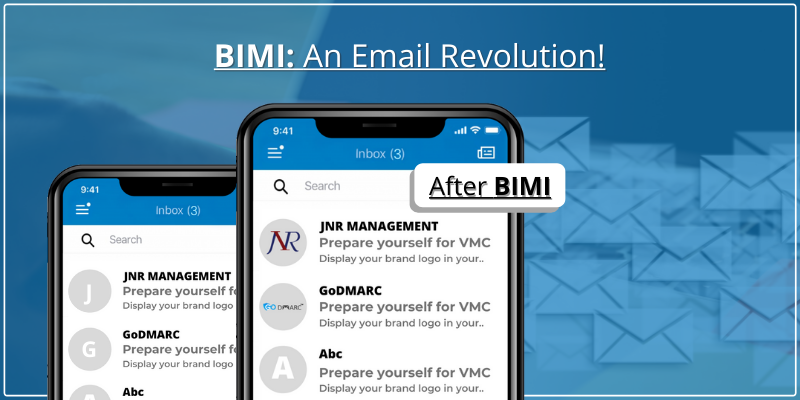
Authentication tools like SPF (Sender Policy Framework), DKIM (DomainKeys Identified Mail), and DMARC (Domain-based Message Authentication, Reporting, and Conformance) help verify that messages are genuinely from the sender they claim to be. This prevents attackers from using fake or compromised domains to trick recipients into opening phishing emails.
3. Educate Your Team Regularly
Technology can only go so far - human awareness is equally important. Employees should be trained to recognise suspicious emails, avoid clicking on unknown links, and report anything unusual. Simple awareness campaigns and mock phishing tests can significantly reduce the risk of a successful attack.
4. Keep Software and Systems Updated
Outdated systems are easy targets for attackers. Regularly updating your operating systems, browsers, and email software ensures known vulnerabilities are patched. Automatic updates should be enabled wherever possible to reduce the chance of oversight.
5. Use Encryption for Sensitive Information
When handling confidential data, encryption adds an extra layer of security. Encrypting both inbound and outbound emails ensures that even if a message is intercepted, its contents remain protected from unauthorised access.
6. Monitor for Unusual Activity
Email security isn’t just about prevention - it’s also about detection. Monitoring for abnormal login patterns, multiple failed access attempts, or large data transfers can help identify compromised accounts early. Early intervention can prevent further damage.
7. Back Up Emails and Critical Data
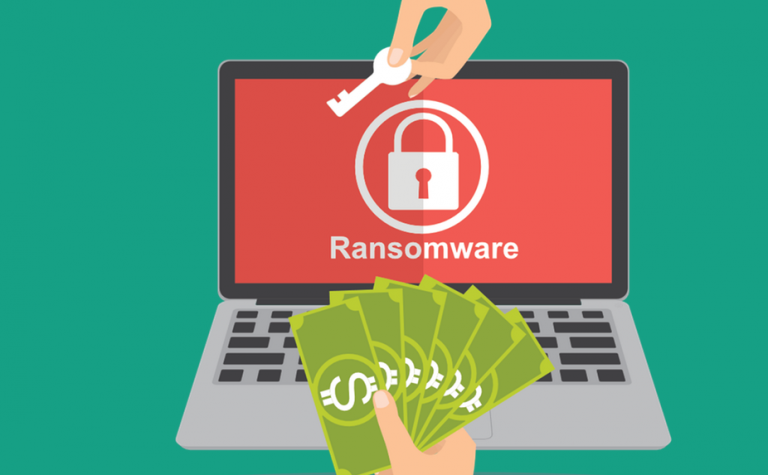
Regular data backups are a simple but powerful safeguard. In case of a ransomware attack or accidental deletion, backups make it possible to restore important communications without long-term loss.
Strong Email Protection is a balance of smart technology, employee awareness, and ongoing vigilance. As phishing methods become more advanced, staying proactive is key. By combining multi-layered security systems, regular updates, and staff training, businesses can create a resilient defence against even the most deceptive email threats.