Why Climate Matters in Acoustic Louvers
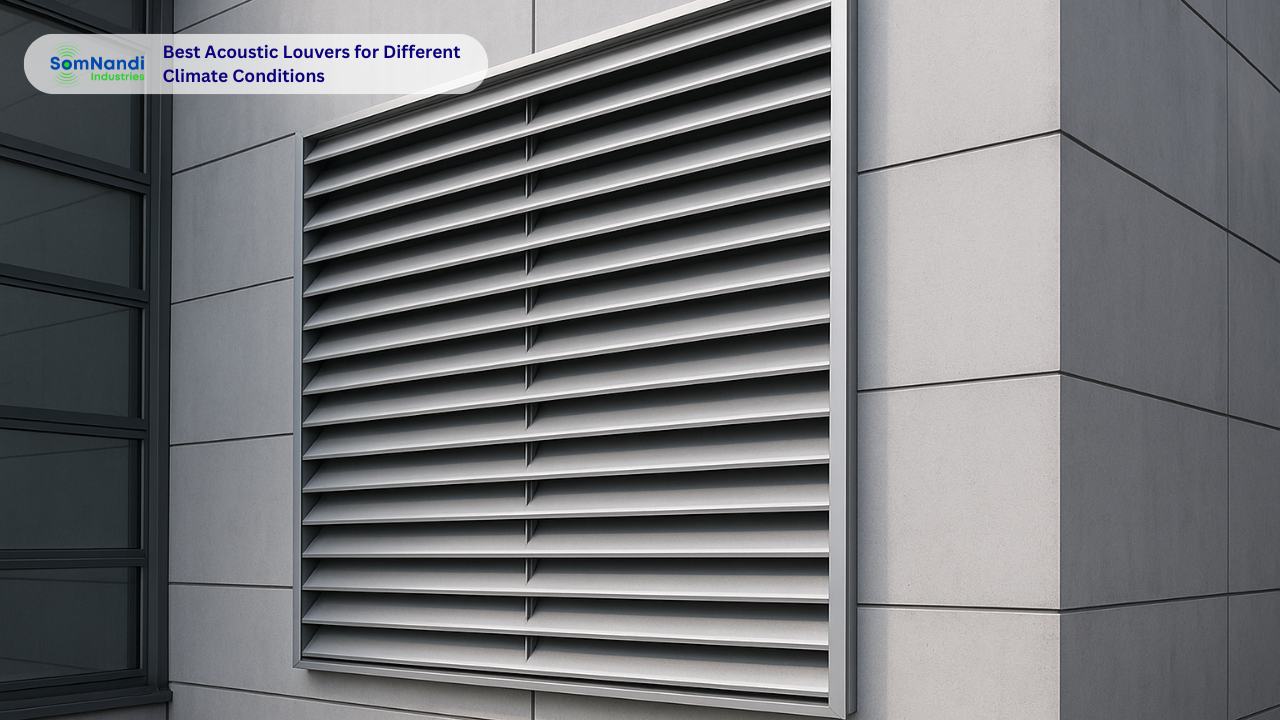
In modern architecture and industrial environments, noise control and ventilation are key to maintaining a comfortable and productive space. From loud HVAC systems to industrial machinery, unwanted sound can disrupt operations and comfort. Acoustic Louvers offer an effective solution by allowing air movement while reducing noise transmission.
However, not every louver performs equally well under all weather conditions. Heat, humidity, rain, salt air, or dust can affect how long your acoustic louvers last and how efficiently they perform. Selecting the right material and design for your climate ensures long-term durability and better noise reduction.
In this guide, you’ll learn how different climates affect acoustic louver performance, what designs and materials work best, and how SomNandi Industries provides reliable solutions for every environment.
What Are Acoustic Louvers?
Acoustic Louvers are specialized ventilation systems designed to let air pass while blocking noise. They are built using sound-absorbing materials and strong outer frames that ensure both airflow and acoustic insulation.
Main Components Include:
Outer Frame: Adds strength and structure.
Acoustic Blades: Filled with sound-absorptive infill to trap and dissipate noise.
Drainage System: Prevents water accumulation and damage.
Protective Coating: Guards against corrosion and weather effects.
Key Functions:
Noise Reduction: Lowers sound levels from HVAC units, generators, and other machinery.
Ventilation: Keeps air circulation efficient without compromising noise control.
Weather Resistance: Protects internal systems from rain, dust, and wind.
Aesthetic Appeal: Integrates smoothly with modern building facades.
Impact of Climate on Acoustic Louvers
Climate plays a vital role in determining the right louver design and material. Here’s how different environments influence their performance and maintenance needs:
1. Hot and Humid Regions
High humidity and moisture can cause corrosion or mold growth. Louvers in these areas should be made from stainless steel or marine-grade aluminum for maximum resistance.
Best Features:
Anti-corrosive coatings
Moisture-resistant acoustic infill
Sloped blades for better drainage
Anti-fungal lining for longevity
2. Cold and Snowy Environments
In freezing conditions, louvers face challenges like condensation, frost, and ice buildup. The design must prevent blockage while maintaining airflow.
Ideal Features:
Thermal insulation or thermal breaks
Double-skin design for consistent performance
Powder-coated finish for freeze protection
Snow mesh to prevent ice formation
3. Dry and Dusty Locations
Industrial or desert regions require louvers that resist dust accumulation without blocking air.
Recommended Features:
Galvanized or coated aluminum structure
Replaceable filters or dust mesh
Angled blades to prevent clogging
Easy-clean design for low maintenance
4. Coastal and Marine Areas
Coastal air is highly corrosive due to salt particles. Louvers here must be highly resistant to rust and degradation.
Best Materials:
Marine-grade stainless steel (SS316) or anodized aluminum
Specialized marine coatings
Drain channels for saltwater runoff
Routine washing to remove salt buildup
5. High-Rainfall or Storm-Prone Regions
In monsoon or heavy rainfall zones, water ingress is a major issue. Properly engineered louvers with deep blades and built-in drainage offer superior weather protection.
Design Considerations:
Blade Angle & Depth: Controls how sound is reflected or absorbed.
Blade Spacing: Impacts airflow resistance and noise control.
Infill Density: Denser materials absorb more sound.
Frame Thickness: Improves strength and overall performance.
At SomNandi Industries, advanced modeling and acoustic simulation are used to optimize these factors for the best results.
Quality Testing and Standards
Reliable acoustic louvers must meet international testing standards for sound and weather performance, such as:
ISO 7235: Insertion loss measurement
ASTM E90: Sound transmission testing
AMCA 500-L: Louver air and water performance
SomNandi Industries follows all global standards to ensure each product performs efficiently across different climates.
Applications of Acoustic Louvers
Industrial Plants: Reduce machinery and HVAC noise
Commercial Buildings: Maintain quiet air ventilation for offices and hospitals
Power Generator Rooms: Contain low-frequency noise emissions
HVAC Systems: Improve ventilation without noise leakage
Architectural Facades: Combine modern aesthetics with noise control
How Acoustic Louvers Reduce Noise
Acoustic louvers use several techniques to cut down sound transmission:
Absorption: Sound waves are absorbed by acoustic infill materials
Reflection: Angled blades redirect sound away
Path Extension: Multiple layers force sound to travel farther, weakening intensity
Frequency Targeting: Designs are optimized for specific noise frequencies
A well-engineered louver can reduce sound by 10–25 dB, depending on configuration.
Maintenance Tips for Different Climates
Proper care extends lifespan and performance:
Humid Areas: Clean regularly to prevent fungal buildup
Dusty Regions: Remove dust and check filters frequently
Coastal Areas: Rinse with fresh water to remove salt
Cold Regions: Check drainage and remove ice deposits
High-quality coatings and weather-proof materials minimize maintenance frequency.
Why Choose SomNandi Industries
SomNandi Industries is a leading acoustic louver manufacturer and supplier offering customized soundproofing solutions for every climate.
Our Advantages:
Expertise in climate-specific louver design
High-grade stainless steel, aluminum, and galvanized steel options
Acoustic modeling and simulation for accurate results
Compliance with international performance standards
Custom design, manufacturing, and installation services
Whether your project is industrial, commercial, or architectural, SomNandi delivers solutions engineered for long-term noise control, airflow efficiency, and weather durability.
Conclusion
Selecting the right acoustic louver means considering more than just sound reduction. It’s about choosing materials and designs that can withstand your local environment.
By understanding the impact of temperature, humidity, dust, and salt exposure, you can ensure your system stays effective for years.
With SomNandi Industries, you get expertly designed acoustic louvers built to perform in every condition, combining advanced engineering, superior materials, and proven results.
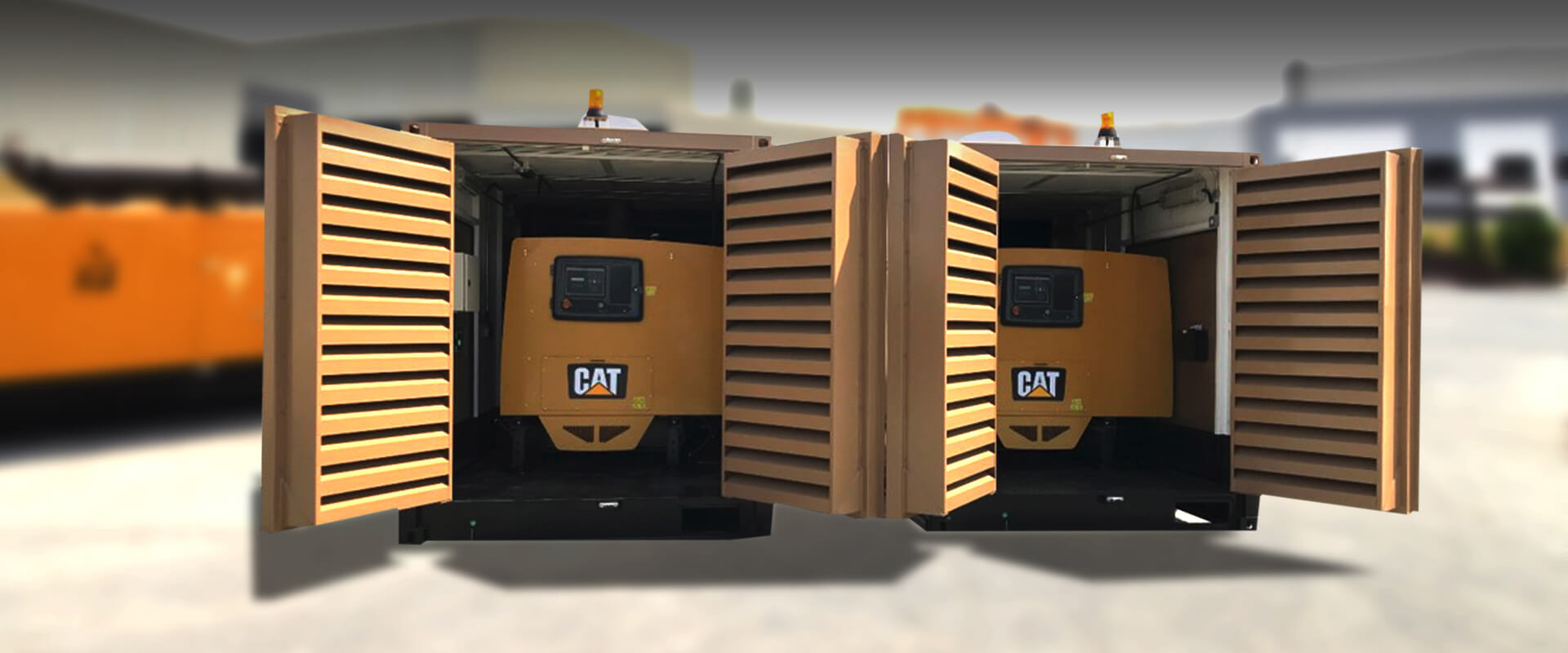
Al Bahar MCEM is a leading manufacturer and supplier of acoustic attenuators, acoustic enclosures for generators, Sound Attenuators for HVAC Systems, acoustic louvers, acoustic canopy and acoustic enclosures in UAE, Dubai, Oman, Kuwait, Qatar and Bahrain.
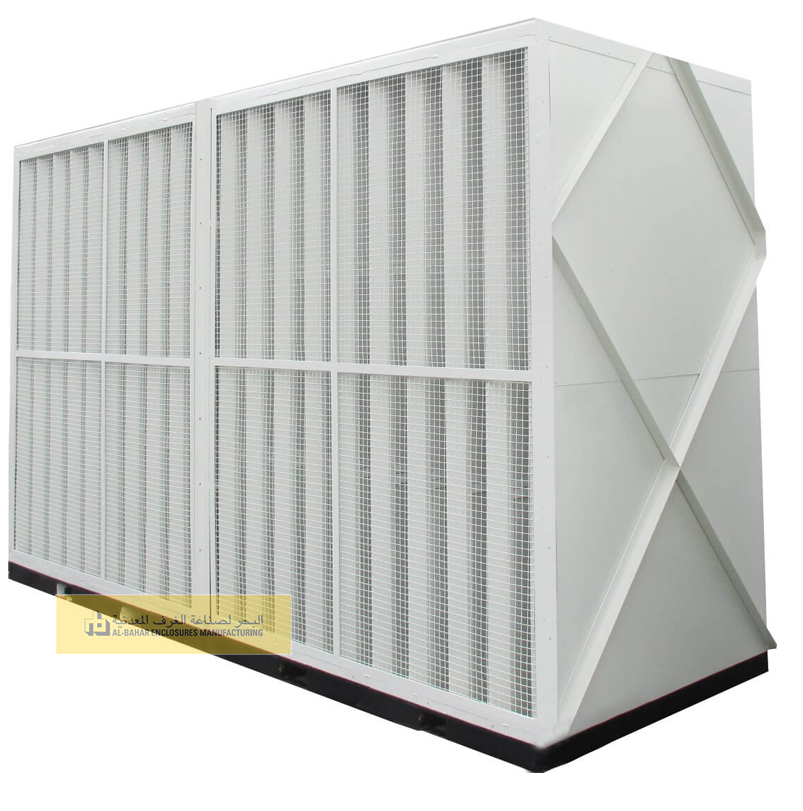
Al-Bahar MCEM is a leading manufacturer and supplier of acoustic attenuators, acoustic enclosures for generators, Sound Attenuators for HVAC Systems, acoustic louvers, acoustic canopy and acoustic enclosures in UAE, Dubai, Oman, Kuwait, Qatar and Bahrain.