1. Defining “Fully Integrated”
The blog opens by explaining what a fully integrated security system actually means — and why simply having separate security components isn’t enough. Integration refers to the seamless linking of multiple security functions (such as CCTV/video surveillance, access control, intrusion detection, fire alarms) so that each part communicates with, triggers and supports the others.
The value of such integration is highlighted: rather than isolated systems operating independently (which may leave gaps or require manual intervention), a unified system offers one platform or ecosystem that can respond in real-time, automate actions, cross-reference events and provide a holistic view of security. The article stresses this is increasingly important given evolving threats, higher expectations for monitoring, and the need for faster response.
The blog also outlines the overarching benefits: improved situational awareness, reduced operational complexity, lowered risk of mis-communication between systems, and often better compliance with regulatory/insurance requirements when system performance is demonstrable.
2. Key Components to Ensure Integration Works
A major section is dedicated to the core components you should look for when evaluating an integrated security system. According to the blog, the key elements include:
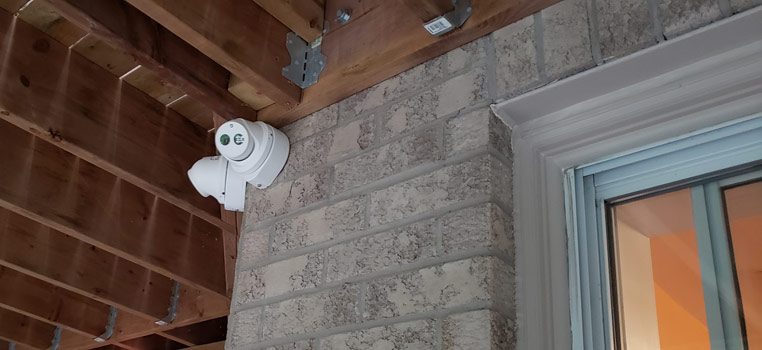
Video surveillance (CCTV): High-definition, networked cameras that can feed into the system, trigger when other sensors act, allow remote monitoring, and integrate with analytics.
Access control systems: Such as biometric readers, keycards/fobs, remote entry management, door interlocks. These not only restrict access but feed data into the central system for auditing and triggering other actions.
Intrusion detection & motion sensors: Internal/external sensors, glass break detectors, alarms that monitor unauthorised entry. When integrated, these feed into CCTV or access control to activate or pinpoint events.
Fire and emergency systems: Fire alarms, smoke/heat detectors, emergency lighting and exit systems. Integration enables faster evacuation, alarms tied to access controls (unlocking doors), plus central monitoring of fire and security together.
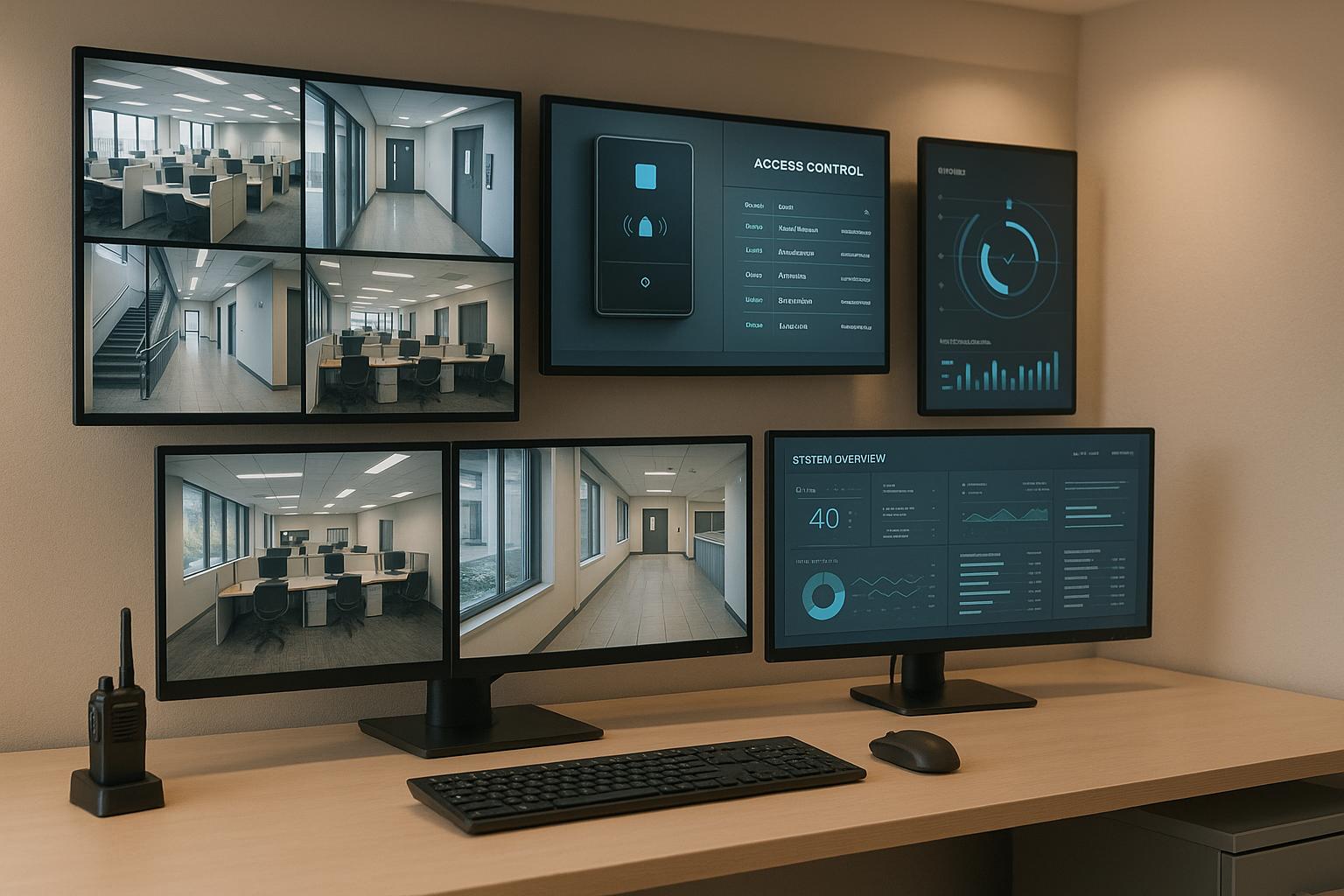
Centralised management & analytics: The blog emphasises you should look for a platform/dashboard that brings together all the layers — not just physically installed devices, but intelligence, alerts, reporting, remote access.
The article further advises to check interoperability — ensuring that components from different manufacturers or different security domains can indeed talk to each other (protocols, APIs, standardisation). Also, look for scalability, so the system can grow (more cameras, sensors, sites) without losing integration strength. And finally, future-proofing: technology upgrades, firmware, analytics, compatibility with other systems (e.g., building management, IT).
3. Benefits of an Integrated Approach
The blog then explores why the extra investment in full integration pays off, both operationally and strategically. Some of the headline benefits:
Faster detection and response: Because sensors, control points and surveillance are interconnected, a single event (say, door forced open) can instantly trigger cameras to focus, alarms to sound, access points to lock, security staff to be alerted. The blog notes this kind of automation dramatically reduces delay and manual steps.
Better situational awareness & decision making: With all data in one place, security operators or business managers have one “pane of glass” view — combining video, access logs, alarms, fire safety alerts. This helps in making informed decisions quickly.
Operational efficiency & cost savings: Instead of managing separate systems (separate vendors, dashboards, maintenance contracts), an integrated system streamlines workflows, reduces redundancy, and simplifies monitoring. It can also reduce false alarms or missed events because systems validate each other.
Regulatory & insurance advantages: The blog emphasises that having a documented, cohesive security system is looked on favourably by insurers/regulators. When fire, access control, intrusion and video are all managed together, compliance and audit trails are stronger.
Enhanced future-readiness: Systems built to integrate easily with new technologies (AI video analytics, IoT sensors, remote monitoring) mean you’re not locked into legacy silos. Integration provides flexibility to adapt.
In essence, the blog makes the case that “integration” is not just about technical linkage, but about delivering smarter security, aligning with business operations, and building resilience.
4. What to Evaluate and Ask When Choosing a System
In this part the blog offers practical questions and criteria you or your security team should apply when selecting a fully integrated system. Key check points include:
Vendor & installation expertise: Does the provider understand integration (not just installing cameras or alarms)? Are they experienced in linking systems across disciplines (security, fire, access)? The blog suggests evaluating their track record, certifications, and ability to deliver integration rather than standalones.
System architecture & open standards: Ask about how the components are connected. Is there a central control system or dashboard? Are standard protocols used (e.g., ONVIF for cameras, industry standards for fire/alarm)? Are components modular? Can you replace one part without re-doing everything?
Data and analytics capabilities: Will the system provide real-time alerts, analytics, logging, remote access? Are mobile apps or cloud interfaces supported? Can you integrate with other enterprise systems (building management, HR, IT security)?
Scalability & flexibility: As your site grows (add more entry points, expand building, add new sensor types) can the system scale? The blog warns against closed systems that force you to purchase a full proprietary upgrade.
Maintenance, monitoring & support: Integration is only useful if the system is well maintained, monitored 24/7 and supported. Ask about service agreements, monitoring centres, firmware updates, system health checks.
Budget & Return on Investment (ROI): While integrated systems may cost more upfront, the blog recommends assessing total lifecycle cost (installation + maintenance + operation) and benefits (reduced risk, fewer incidents, insurance savings) rather than only upfront price.
User experience & training: Ensure the central interface is intuitive, staff are trained, alerts are clear and actionable. The blog highlights that a system is only as good as the people using it and the processes behind it.
Legacy compatibility and future readiness: If you already have part of a system (cameras, alarms) can these be integrated rather than replaced? Are there options for adding new technologies (AI analytics, remote monitoring) later?
By asking these questions and working through these criteria, the blog argues you can make a more informed choice and avoid ending up with “disconnected” or “band-aided” security systems.
Conclusion
In conclusion, the “What To Look For In A Fully Integrated Security System” blog stresses that in today’s threat environment and complex environments (commercial buildings, multi-site operations, mixed security/fire risks), integration is not optional — it’s vital. A standalone alarm, camera or door-reader may do its job, but when systems operate in silos you risk slower response, gaps in visibility, higher operational burden and potential non-compliance.
By focusing on the right components, demanding scalable architecture, insisting on vendor expertise, prioritising analytics and monitoring, and aligning with business operations (not just “security for its own sake”), you position yourself for a system that is resilient, efficient, and future-proof.
Ultimately, your investment in a fully integrated security system pays dividends through better protection, stronger oversight, fewer incidents, and greater operational simplicity. If you ensure the criteria the blog outlines are met, you’ll be far more likely to deploy a system that truly delivers — not just in installation, but in performance over time.