What is the Primary Purpose of an Automatic Fire Alarm System?
An automatic fire alarm system is a system engineered to detect signs of fire — such as smoke, heat, or flames — without requiring manual intervention. In contrast to manual fire alarms (which rely on someone seeing the fire and activating a call-point), automatic systems operate continuously and automatically, scanning the environment 24/7 for potential signs of danger.
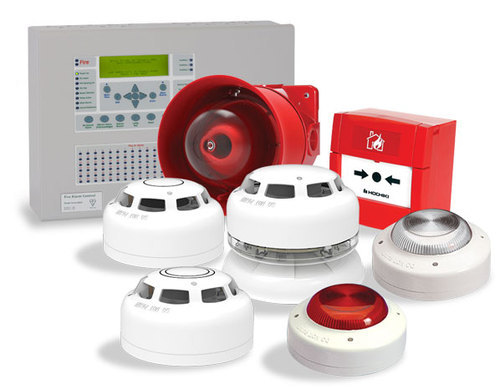
A typical system is composed of several integrated components:
Detectors (smoke detectors, heat detectors, flame or multi-sensor detectors) placed throughout the building to monitor environmental conditions.
A control panel (the “brain” of the system), which receives signals from detectors and triggers responses when necessary.
Notification devices — audible alarms (sirens, bells), visual beacons, strobes — to alert occupants.
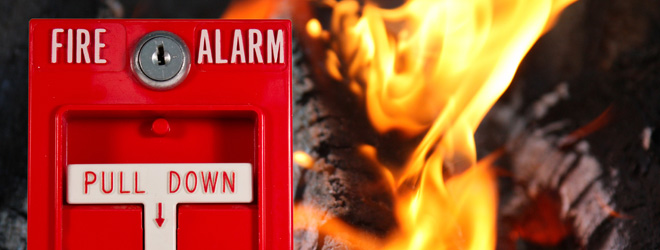
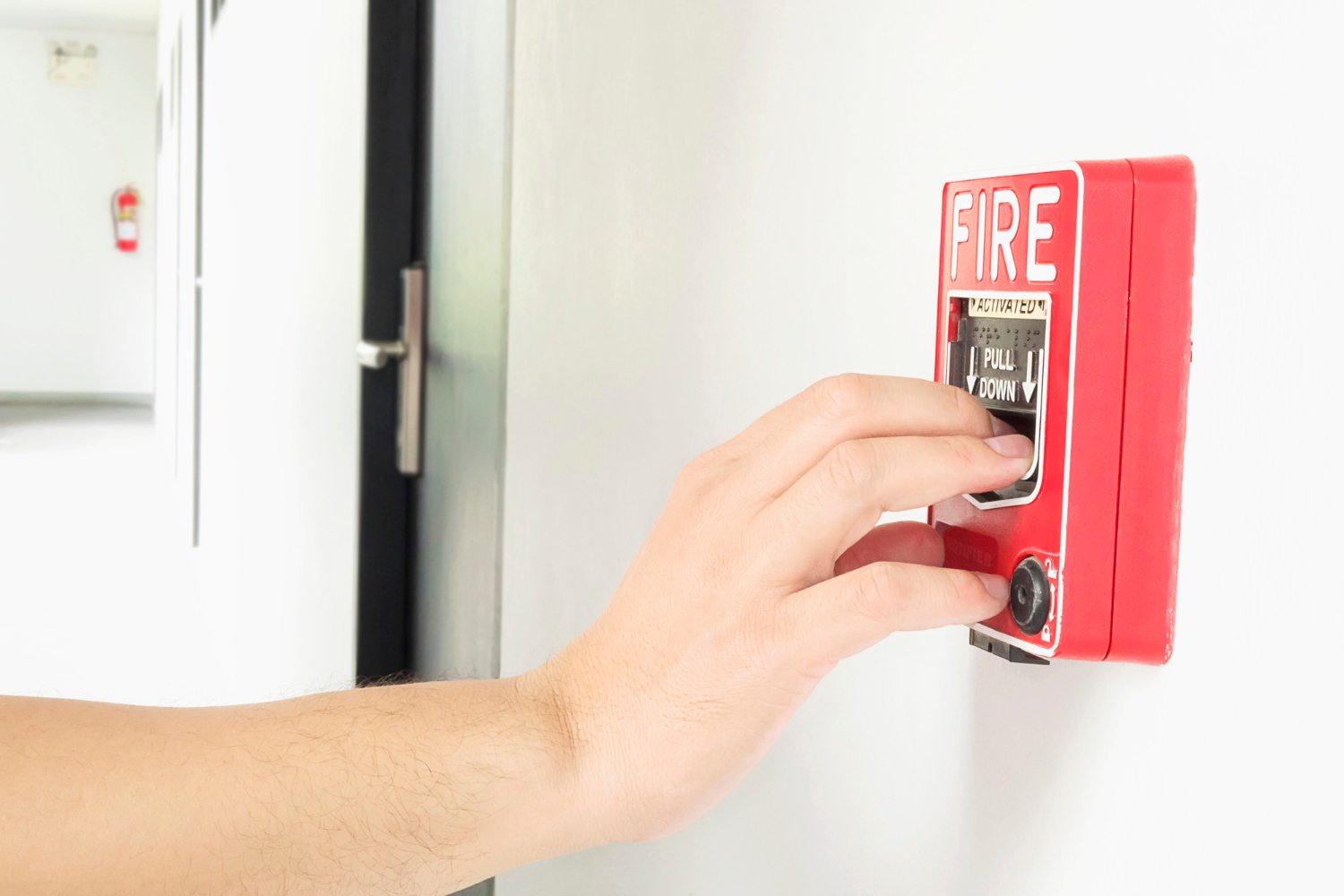
Optionally, manual call points (pull stations or “break-glass” points) as backup, so that if someone spots a fire before detectors do, they can manually trigger the alarm.
In more advanced installations: integration with other safety systems — for example, automatic shutdown of HVAC/ventilation systems, triggering fire suppression systems, or sending remote alerts to emergency services.
Through this coordinated network, the system can turn the earliest detectable indicators of fire into immediate alerts — giving occupants and first responders crucial lead time to act.
The Core Purpose: Early Warning for Life, Property, and Business Protection
According to Amax Fire & Security, the primary purpose of an automatic fire alarm system is to deliver early detection and timely warning of fire — giving occupants enough time to evacuate, and ideally preventing extensive damage.
More specifically, the article breaks down its goals into four core benefits:
Life Safety: By alerting people at the first sign of danger — before smoke or fire becomes visually obvious — the system supports safer evacuation, reducing risk of injury or fatalities.
Property Protection: Early detection doesn’t just save lives; it helps minimize structural, equipment, and asset damage. Detecting a fire while it’s still small can prevent the blaze from escalating into a full-blown destructive inferno.
Business Continuity / Operational Down-time Reduction: For commercial spaces, care homes, warehouses, or any building in active use — faster detection and response means less disruption. Fires unchecked for long periods can shut down operations for days or weeks; quick alarms help contain damage and restore normalcy sooner.
Regulatory Compliance: In many jurisdictions (e.g., under legal frameworks such as Regulatory Reform (Fire Safety) Order 2005 in the UK), building owners or managers are required to install appropriate fire detection and alarm systems, and maintain them through regular fire risk assessments. Compliance helps avoid enforcement penalties and legal liabilities.
Thus, an automatic fire alarm system serves as a foundational component of a building’s safety infrastructure — safeguarding human life, protecting property, supporting business resilience, and helping meet legal obligations.
Where Automatic Fire Alarm Systems Are Used — and Why They're Essential
According to Amax Fire & Security, automatic fire alarm systems are not only recommended but often required in many types of buildings and occupancy settings.
Some common settings include:
Care homes, hospitals, and residential blocks with high occupancy — places where occupants may be especially vulnerable or where evacuation needs extra time. Hotels, hostels, and public venues (theatres, leisure centres) where many people gather or stay overnight.
Schools, universities, and offices, especially large or multi-floor buildings, where early detection helps ensure all occupants are alerted in time.
Warehouses, factories, and industrial facilities — especially those dealing with combustible materials, heavy machinery, or high electrical load, where fire risk is greater.
In these contexts — where many people are present, or where fire may spread quickly — an automatic system offers constant vigilance, even when no one is actively monitoring the building (e.g., overnight, during holidays, or low-staff hours).
Because fires don’t wait for convenient times or attentive people to start, having detectors that never “sleep” is a big advantage. Moreover, modern systems are often designed and installed according to recognized safety standards (e.g., British or European standards) — this ensures both reliability and compliance.
Finally, for building owners and facility managers, investing in a professionally designed and maintained fire alarm system reduces liability, supports insurance compliance, and shows a proactive commitment to occupant safety.
Challenges, Considerations & the Importance of Proper Installation and Maintenance
The reliability and effectiveness of an automatic fire alarm system hinges not just on the technology — but also on proper design, installation, and ongoing maintenance. According to Amax Fire & Security, a system is only “as good as its design, installation and upkeep.”
Some important considerations:
The system must be custom-designed for the premises: detector placement, sensitivity, and type (smoke, heat, flame, or multi-sensor) must match the building’s size, layout, occupancy, and risk profile. A one-size-fits-all approach can lead to undetected fires or false alarms.
Maintenance and regular testing are crucial. Without periodic checks, detectors may fail, alarms may not trigger, and the system may not comply with safety regulations.
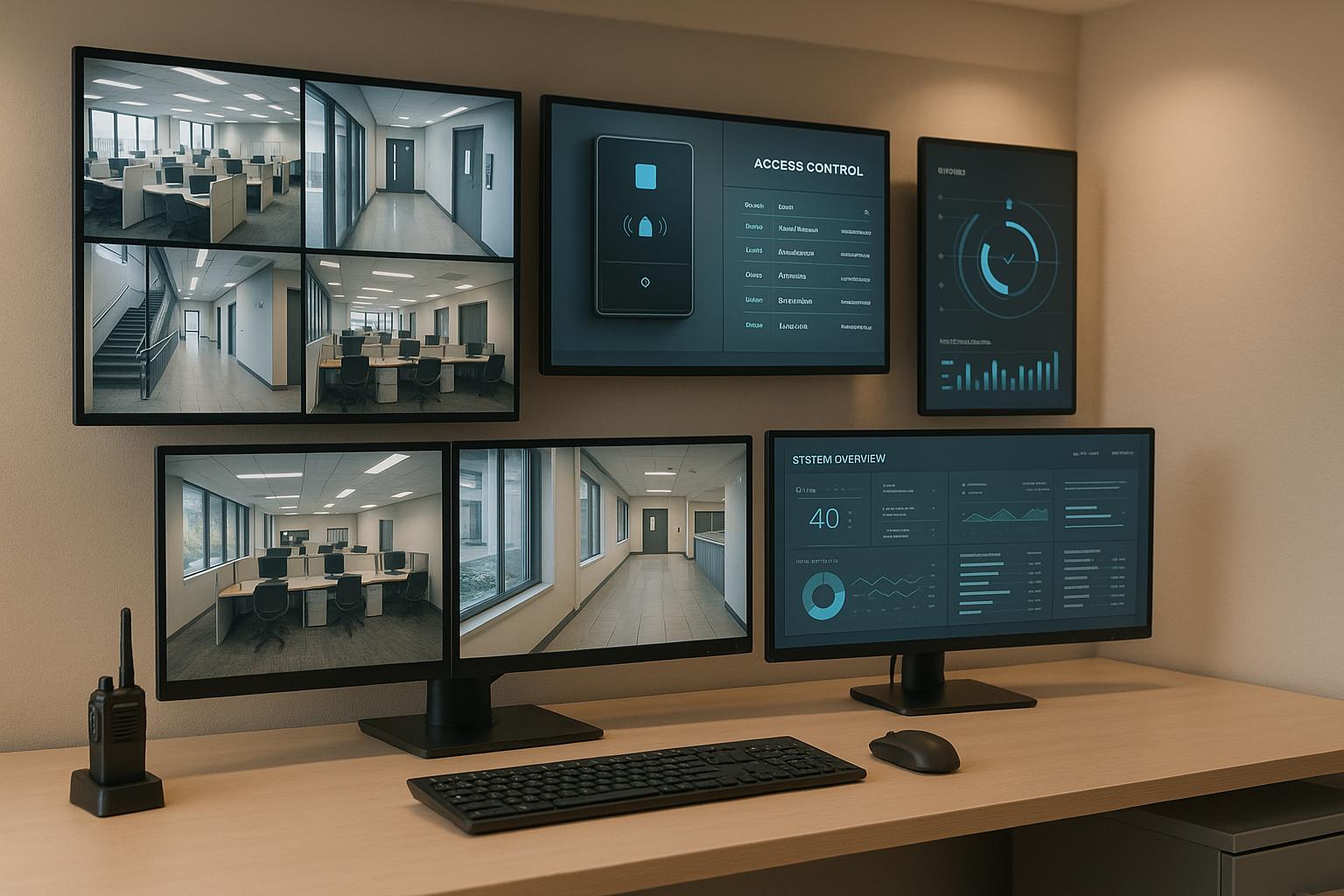
Integration with other systems (like suppression systems, ventilation controls, emergency lighting, and access control) can enhance safety — but requires careful configuration.
Preventing false alarms is also part of good system management — because repeated false alarms can lead to complacency, “alarm fatigue,” or neglect, which could have tragic consequences if a real fire occurs.
Thus, while the technology is powerful, it only fulfills its purpose if implemented — and maintained — properly.
Conclusion
The article from Amax Fire & Security makes a clear case: an automatic fire alarm system is one of the most important safety investments a building can have. Its core mission is simple — but vital — to provide early detection and warning of fire, giving people time to evacuate, enabling rapid response, and preventing or limiting damage to property and operations. Through a network of detectors, control panels, alarms, and optional suppression/notification integrations, these systems offer around-the-clock vigilance — essential in homes, commercial spaces, public venues, care facilities, and industrial buildings alike.
However, their effectiveness depends heavily on correct design, professional installation, and regular maintenance. A well-maintained, properly installed fire alarm system not only saves lives and property — it also supports regulatory compliance, reduces liability, and gives building owners and occupants peace of mind. In short: when it comes to fire safety, “early and automatic” isn’t just convenient — it may make the difference between safety and catastrophe.


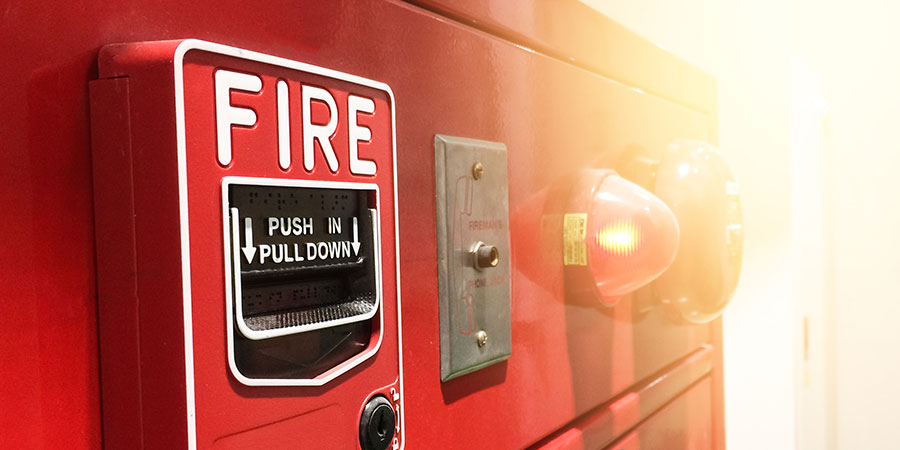
A fire alarm inspection report plays a very important role in notifying the occupants of your building in the event of a fire.
We all are well aware of the fact that a proper fire alarm is significant in protecting you as well as your business.
This is considered to be the major reason, why you should always research the product that is right for your needs.
In this regard, it is very important to properly understand the differences existing between commercial fire alarms that are available in the market.find more...