


Kia ora, I’m Paul. In New Zealand’s fast-moving food industry, maintaining product quality isn’t just about how food is grown — it’s also about how it’s handled, stored, and transported. With rising demand for cleaner, safer, and more sustainable systems, businesses are looking for packaging solutions that can do it all. Enter the plastic crate — a durable, hygienic, and reusable storage option that’s reshaping how fresh produce and other goods move through supply chains.
These plastic crates
are proving to be an essential part of efficient, hygienic, and cost-effective operations across multiple industries. Let’s explore how their design and practicality make them the smart storage choice for fresh produce and beyond.
Built for Clean, Safe Food Handling
When dealing with food, hygiene is everything. Traditional packaging like cardboard or wood can absorb moisture and harbour bacteria, making them hard to clean and unsafe for repeated use. Plastic crates solve this problem with non-porous, food-grade materials that resist contamination and are easy to sanitise.
Their smooth surfaces and rounded edges stop dirt from collecting in corners, while their robust construction allows for thorough washing and drying between uses. Many businesses now integrate crate washing into their workflow — a fast and simple process that ensures every container meets strict food safety standards.
Because they’re reusable, plastic crates also eliminate the constant need to replace soiled or damaged packaging. This reduces waste and provides consistent protection for produce from the field to the retailer. For growers, packhouses, and supermarkets alike, this reliability makes day-to-day handling cleaner and safer.
Reusability That Reduces Waste and Cost
In an era where sustainability is driving business decisions, reusability is more than a buzzword — it’s a business advantage. Plastic crates are designed for long-term use, lasting through hundreds of transport and storage cycles without losing their strength or shape.
Unlike single-use packaging, these crates maintain performance over years, reducing both costs and waste. Once they eventually wear out, they can be recycled into new containers, creating a closed-loop system that supports circular economy goals.
The savings extend beyond sustainability. Because crates can be stacked, nested, and reused, they cut down on packaging expenses, storage space, and transport volume. That combination of efficiency and environmental benefit makes them a practical choice for companies focused on both profitability and responsibility.
Efficiency Across the Supply Chain
Plastic crates are more than just sturdy boxes — they’re tools that simplify logistics. Their stackable and nestable design saves space during both storage and return transport. When full, they lock securely on top of one another, preventing movement or damage in transit. When empty, they nest neatly inside each other, reducing space requirements by up to 70%.
This versatility speeds up handling in warehouses and distribution centres. Workers can load, move, and unload products more quickly and safely. Standardised sizing also makes them compatible with automated systems like conveyors, palletisers, and robotic pickers.
Every step in the supply chain — from harvesting to loading docks to supermarket displays — benefits from packaging that’s strong, consistent, and space-efficient. With plastic crates, efficiency becomes the norm, not the exception.
Applications Beyond Fresh Produce
Although designed for fresh fruit and vegetables, plastic crates are now used widely across industries that value hygiene, durability, and organisation.
In seafood and meat processing, they keep raw goods separate and sanitised. In bakeries, they store and transport bread without crushing delicate items. In retail and logistics, they serve as reusable containers for stock rotation, reducing cardboard waste and improving product visibility.
Even non-food industries, such as pharmaceuticals and manufacturing, rely on plastic crates for clean, controlled storage of sensitive materials. Their versatility, ease of cleaning, and strength make them ideal for environments that demand precision and safety.
This cross-industry adaptability shows why plastic crates are becoming the preferred option for any operation where hygiene and efficiency intersect.
Summary and Call to Action
Plastic crates represent a smarter, cleaner, and more efficient way to handle and store fresh produce — and much more. They’re easy to clean, built to last, and versatile enough for use across industries. Their stackable design saves space, while their reusability reduces waste and cost.
For New Zealand businesses striving to improve hygiene and streamline operations, plastic crates are an investment that pays dividends in reliability and sustainability. They’re not just containers — they’re a smarter way to keep products safe, organised, and ready for market.
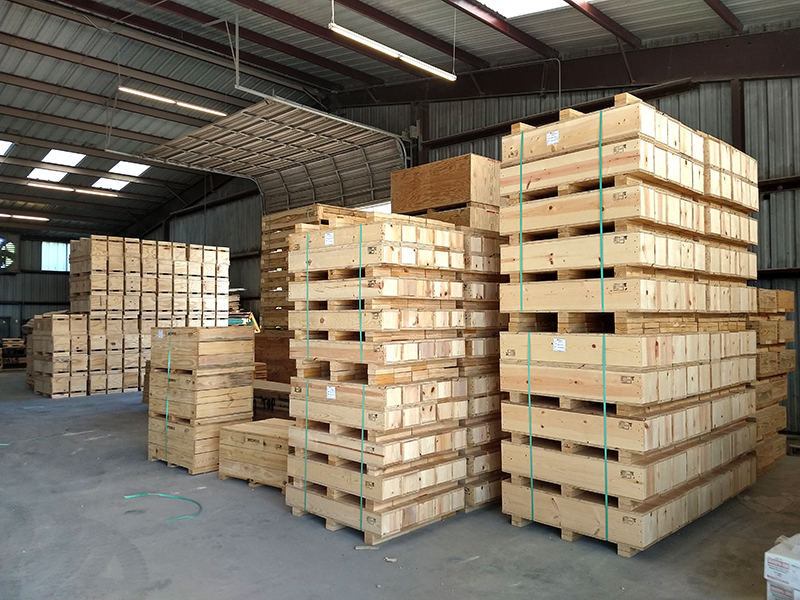
The global Crates And Pallets Packaging Market research report, published by Value Market Research, is designed to offer various market framework such as market size, portion, trends, growth path, value and factors that impact the current market dynamics over the forecast period 2020-2027.
Most importantly, this report also provides the latest significant strategies adopted by major players along with their market share.The research report also covers the comprehensive profiles of the key players in the market and an in-depth view of the competitive landscape worldwide.
The major players in the crates and pallets packaging market include Shur-way Industries, Inc., Palcon LLC, Coxco, Inc., Larch Ltd., CHEP.
This section includes a holistic view of the competitive landscape that includes various strategic developments such as key mergers & acquisitions, future capacities, partnerships, financial overviews, collaborations, new product developments, new product launches, and other developments.Get more information on "Global Crates And Pallets Packaging Market Research Report" by requesting FREE Sample Copy at https://www.valuemarketresearch.com/contact/crates-and-pallets-packaging-market/download-sampleMarket DynamicsA pickup in manufacturing and trade activity throughout the world will spur the market growth.
A more significant increase will be experienced from developing economies such as India and China, where more crates and pallets will be required to accommodate higher shipping requirements.
Players within the market are launching new plastic products to overcome the limitation of wood pallets.