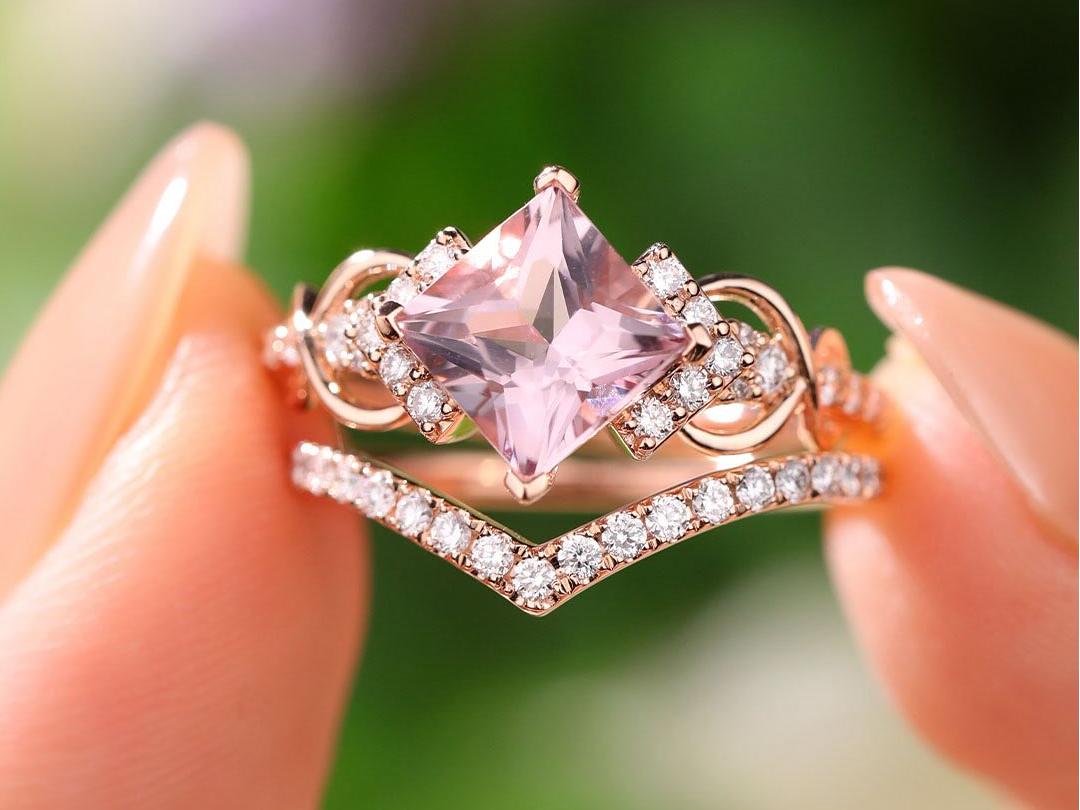
The opal, a gemstone that appears to contain a galaxy within its depths, is unlike any other. Its vibrant play of color has captivated humanity for centuries, inspiring tales of magic and misfortune. However, precisely because of its unique nature, a surprising number of myths and misconceptions surround this stunning stone.
If you've ever hesitated to purchase, wear, or care for an opal, this article is for you. We're cutting through the folklore and misinformation to provide you with the facts you need to know.

Image from juyoyo.com
Myth 1: Opals Are Extremely Fragile and Will Shatter Easily
This is arguably the most common myth and a major deterrent for potential owners.
The Truth: Durable, But Needs Respect
While it's true that opal is generally softer than diamonds or sapphires, it's not as fragile as people imagine.
Mohs Hardness Scale: Opal rates between 5.5 and 6.5. For context, that's similar to the durability of turquoise, moonstone, or a pane of glass. With reasonable care, it's hard enough for everyday wear.
The Real Danger: The biggest threats to solid opals are sharp, hard impacts (such as accidentally hitting it against a countertop) and sudden, extreme temperature changes (such as plunging it from a hot room into ice water).
Protection is Key: When properly set in protective settings, especially for rings, an opal can be worn daily for decades. Many customers have enjoyed their opals for over 30 years! Just as you wouldn't wear your finest pearl necklace to play a sport, you should use the same common sense with your opal.
Myth 2: Opals Bring Bad Luck
"Are opals bad luck?" This is the most famous and enduring myth, but it has a surprisingly modern origin.
The Truth: A Stone of Good Fortune and Purity
For most of history, the opal was revered.
Ancient Beliefs: The Romans, who gave the opal its name ("opalus" meaning "precious stone"), considered it a symbol of hope and purity. Ancient Greeks believed it granted the gift of prophecy.
The Culprit: The bad luck stigma can be traced almost entirely back to a single work of fiction: Sir Walter Scott’s 1829 novel, Anne of Geierstein. In the story, a magical opal talisman loses its color when touched by holy water, and the wearer soon dies. This literary invention scared the Victorian public, causing opal sales to plummet across Europe by as much as 50% in the following years!
Modern Consensus: Today, particularly in Australia (the world's major source of fine opal), the stone is considered an emblem of good fortune. It is the accepted birthstone for October, and it is loved globally for its unique beauty. The only bad luck about opal is not owning one.

Juyoyo Opal Wedding Band
Myth 3: Opals Need to Be Soaked in Water or Rubbed with Oil to Prevent Cracking
Many people believe that because opal contains water, it must be kept moist.
The Truth: Leave the Lotion and Water Alone
This common practice is unnecessary and, in some cases, harmful.
Non-Porous Australian Opal: High-quality Australian solid opals (which make up the vast majority of the market) are non-porous. They do not absorb water or oil. Soaking it does nothing to re-hydrate the stone. If you soak a cracked opal, the water temporarily hides the flaw, leading to the mistaken belief that soaking "healed" it.
Oil is a Bad Idea: Rubbing oil (like baby oil or olive oil) on a solid opal will only make it greasy, sticky, and dull its natural polish. It does not penetrate or condition the stone, and it can attract dirt.
The Real Solution: The water content in an opal is chemically bound and stable. An opal can crack due to dehydration from prolonged exposure to extremely low humidity and high heat (like being stored in a safety deposit box for years in an arid climate). The best care is simply wearing your opal, as the humidity from the air and your skin is sufficient.
Myth 4: Black Opals Are Completely Black
The name "Black Opal" conjures images of a midnight-black stone, which isn't the whole story.
The Truth: Dark Body Tone, Vibrant Color Play
Defining "Black": The term "Black Opal" refers to the stone's body tone, which is a dark or black background (usually dark gray to jet black). This dark canvas acts like a dramatic backdrop, making the vibrant spectrum of colors—the "fire"—pop with incredible intensity.
Value: If a Black Opal were actually just solid black, it would be virtually worthless. The value lies in the striking contrast between the dark body tone and the brilliant, kaleidoscope-like play of color. Top-grade Black Opals are some of the world's most valuable gems.
Myth 5: You Can't Get Your Opal Wet or Clean It with Water
This myth stems from the fear of the stone absorbing water or expanding and cracking.
The Truth: Solid Opals Are Fine with Water
Cleaning is Safe: You can absolutely wash a solid Australian opal in lukewarm water with a mild detergent and a soft cloth or brush. Quick, gentle cleaning is the best way to maintain its brilliance.
Avoid: Where you need caution is with:
Ethiopian Opal (Hydrophane): These opals are porous and will soak up water and temporarily lose their color or clarity. They require specific, dry care.
Opal Doublets and Triplets: These are composite stones with a thin slice of opal glued to a backing (doublet) or a backing and a clear cap (triplet). Prolonged water exposure can weaken the adhesive over time, causing the layers to separate, or "fog."
Embrace the Opal with Confidence
The world of opals is one of breathtaking beauty and fascinating science. By debunking these common myths, we hope you see the opal for what it truly is: a unique, durable, and profoundly lucky gemstone that deserves a place in any jewelry collection. Don't let outdated superstitions or misinformation prevent you from enjoying one of nature's most incredible creations. When you understand the truth about its care and origins, you can confidently choose, wear, and cherish your opal for a lifetime. Consulting with a reputable jeweler is the final, crucial step. They provide the expert guidance, proper sourcing, and quality craftsmanship that ensures your opal jewelry is not only beautiful but also secure, well-informed, and destined to become a treasured heirloom.