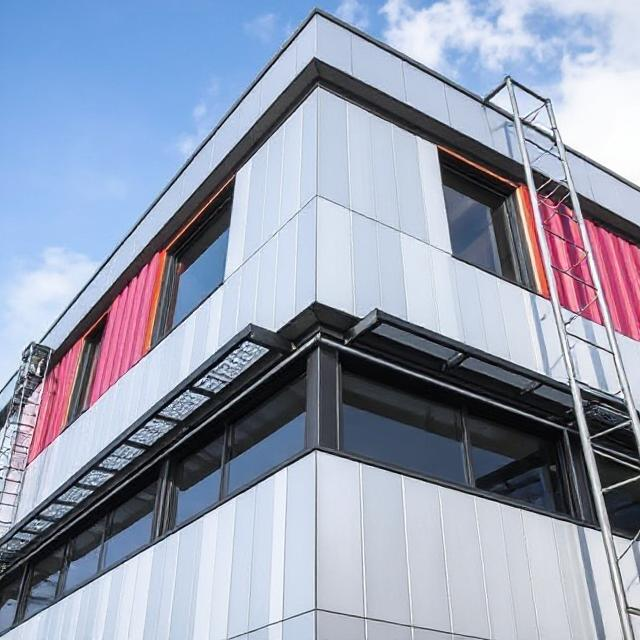
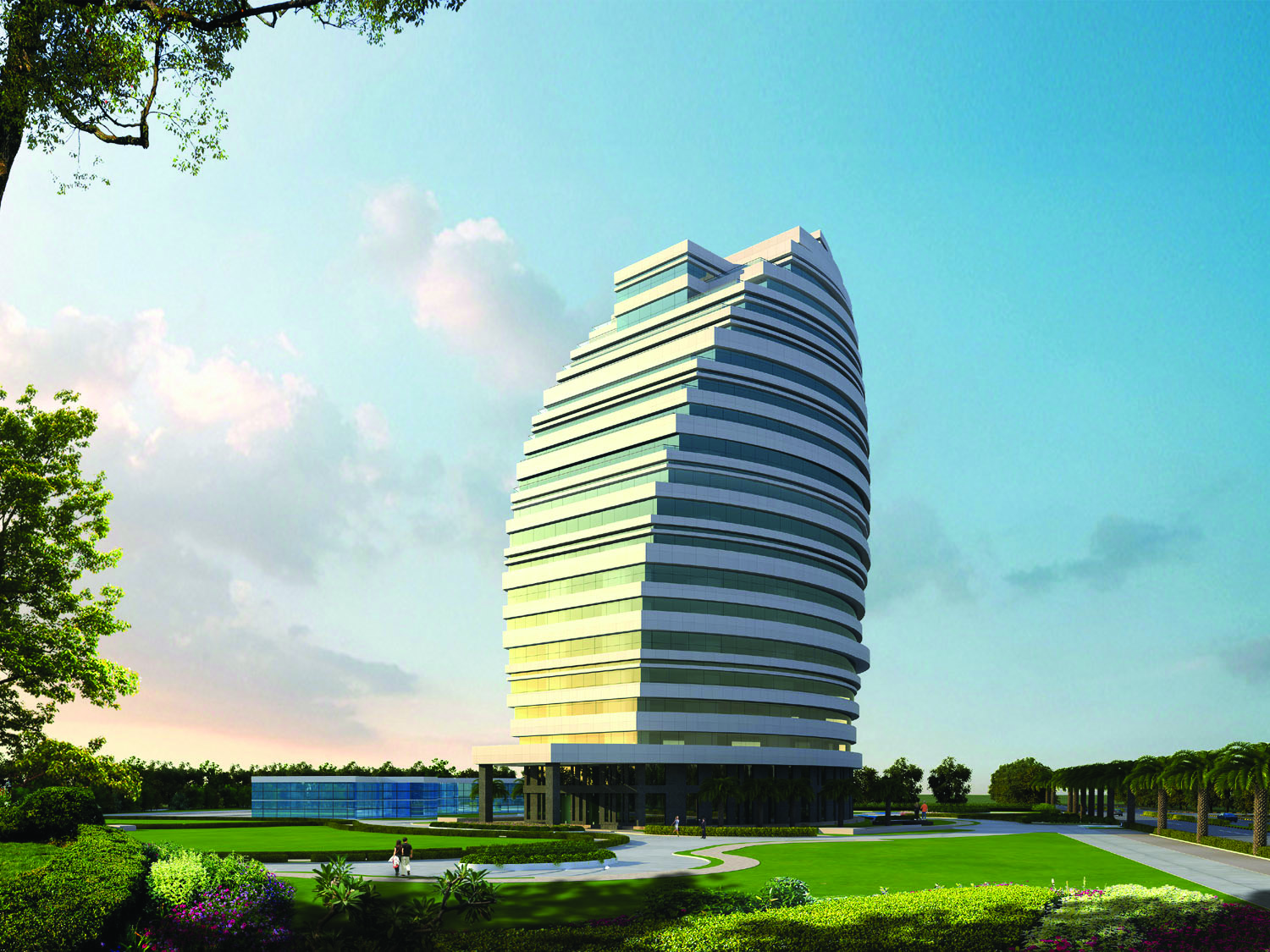
In today’s architectural landscape, aluminium cladding panels have emerged as one of the most versatile and efficient materials for both residential and commercial buildings. Known for their sleek appearance, durability, and cost-effectiveness, these panels have transformed the way designers and builders approach exterior and interior wall systems. Whether used for creating modern facades or enhancing interior aesthetics, aluminium panels strike the perfect balance between functionality and style.
Why Aluminium Cladding Panels Are Gaining Popularity
Architects and builders are drawn to aluminium cladding panels for several reasons. First and foremost, aluminium is lightweight yet extremely strong, making it easier to install while reducing the overall structural load on a building. It also resists corrosion, which makes it ideal for use in humid or coastal environments where other materials might deteriorate quickly.
In addition to their structural benefits, these panels offer incredible design flexibility. They come in a wide variety of finishes — matte, metallic, brushed, or even wood-grain textures — allowing architects to experiment with unique looks that complement a building’s design language. Furthermore, aluminium can be easily molded into different shapes and sizes, supporting both modern minimalistic designs and intricate architectural details.
Energy Efficiency and Sustainability
Another significant advantage of aluminium wall panels lies in their contribution to energy efficiency. Many modern aluminium panel systems come with insulation layers that help regulate indoor temperatures, reducing energy consumption for heating and cooling. This thermal performance makes them a smart choice for sustainable construction practices.
Become a member
Aluminium is also a 100% recyclable material. The process of recycling aluminium consumes just a fraction of the energy required to produce it from raw materials, making it an environmentally responsible option for builders focused on green building certifications. The use of recyclable materials not only lowers the carbon footprint but also extends the lifecycle value of the building itself.
Durability and Low Maintenance
Unlike traditional wall materials that require regular painting or sealing, aluminium wall panels are engineered to withstand harsh weather conditions with minimal upkeep. They are resistant to UV rays, moisture, and pollutants, which ensures that the panels retain their original finish for years without fading or peeling.
Maintenance is simple — occasional cleaning with mild detergent and water is typically enough to keep them looking new. This makes aluminium panels a cost-effective investment over the long term, as they reduce the need for frequent repairs or replacements.
Aesthetic Appeal and Versatility
From high-rise buildings and shopping complexes to homes and interior spaces, aluminium panels can be used in countless applications. They add a sophisticated and contemporary touch to any structure, blending seamlessly with glass, steel, and concrete. Whether used as external cladding or interior feature walls, aluminium cladding panels create a refined and professional finish that enhances both the beauty and value of a property.
Conclusion
As architecture continues to evolve toward modern, sustainable, and visually striking designs, aluminium cladding panels and aluminium wall panels stand out as the go-to solutions for builders and designers worldwide. Their unmatched combination of strength, style, and sustainability makes them an essential part of the future of construction.