Modern architecture is no longer just about how a building looks—it’s equally about how it performs. From energy efficiency and durability to safety and sustainability, today’s buildings need façade systems that do it all. This is where curtain wall design has become a defining element of contemporary construction, especially when paired with high-quality materials from reliable solid aluminium panels manufacturers.
Across commercial towers, airports, hospitals, malls, and premium residential projects, curtain wall systems have transformed how structures interact with light, air, and the surrounding environment. Let’s explore how curtain wall design works, why solid aluminium panels are increasingly preferred, and how manufacturers play a critical role in shaping long-lasting façades.
Understanding Curtain Wall Design in Modern Architecture
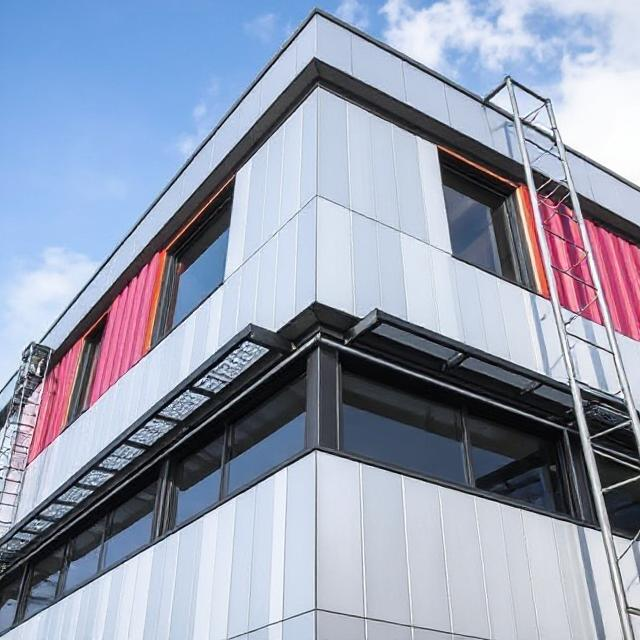
A curtain wall is a non-structural outer covering of a building, designed to keep the elements out while maintaining a sleek, lightweight appearance. Unlike load-bearing walls, curtain walls transfer their load to the main structure of the building, allowing greater flexibility in design.
Curtain wall design typically consists of aluminium framing combined with materials like glass, metal panels, or composite systems. The goal is to create a façade that is visually appealing, weather-resistant, and energy-efficient.
Key objectives of effective curtain wall design include:
- Protection from wind, rain, and temperature variations
- Improved thermal and acoustic insulation
- Enhanced daylight penetration
- Reduced structural load on the building
- A modern, seamless aesthetic
As architectural expectations evolve, curtain wall systems are becoming more sophisticated, integrating performance with design freedom.
Why Material Choice Matters in Curtain Wall Design
While framing systems and installation methods are important, the material used for infill panels can significantly impact a façade’s durability and performance. This is why architects and developers increasingly collaborate with experienced solid aluminium panels manufacturers.
Solid aluminium panels offer a strong alternative to traditional façade materials, especially in high-rise and high-performance curtain wall design projects.
Benefits of Solid Aluminium Panels in Curtain Wall Systems
Solid aluminium panels bring together strength, versatility, and aesthetics, making them ideal for modern curtain wall applications.
1. Strength and Structural Stability
Solid aluminium panels are rigid and robust, which makes them suitable for buildings exposed to high wind loads or seismic activity. Their inherent strength enhances the overall reliability of curtain wall design, particularly in tall structures.
2. Lightweight Yet Durable
Despite their strength, aluminium panels are lightweight compared to stone or concrete cladding. This reduces the dead load on the structure, allowing more freedom in architectural planning without compromising safety.
3. Weather and Corrosion Resistance
High-quality panels supplied by reputable solid aluminium panels manufacturers are treated with advanced surface coatings that resist corrosion, UV radiation, and moisture. This ensures the façade maintains its appearance and performance for years, even in harsh climates.
4. Design Flexibility
Solid aluminium panels can be fabricated in various sizes, shapes, colors, and finishes. From matte textures to metallic effects, they allow architects to experiment freely with curtain wall design while maintaining a clean, contemporary look.
Energy Efficiency and Performance
Energy performance is a major focus in modern construction, and curtain wall design plays a crucial role in controlling heat gain and loss. Solid aluminium panels, when combined with insulation layers and smart glazing, contribute to improved thermal efficiency.
Leading solid aluminium panels manufacturers often design panels compatible with insulated systems, helping buildings meet green certification requirements and reduce operational energy costs.
Additionally, aluminium’s reflective properties can be optimized to manage solar radiation, reducing the need for excessive artificial cooling.
Fire Safety and Compliance
Fire safety is non-negotiable in façade design. Solid aluminium panels, especially those manufactured to international standards, offer better fire performance compared to certain composite materials.
Many solid aluminium panels manufacturers now provide fire-rated panel systems that comply with global safety norms. When incorporated into curtain wall design, these panels help improve occupant safety without sacrificing aesthetics.
Role of Solid Aluminium Panels Manufacturers in Project Success
The success of a curtain wall design project depends heavily on the expertise of the manufacturer. Reliable solid aluminium panels manufacturers don’t just supply materials—they act as technical partners throughout the project lifecycle.
They typically support:
- Panel customization and fabrication accuracy
- Compliance with fire, wind, and weather standards
- Coordination with curtain wall consultants and installers
- Consistent quality control and surface finishing
- Long-term warranties and after-sales support
Choosing the right manufacturer ensures the façade performs exactly as intended, both visually and functionally.
Installation Precision and Long-Term Performance
Even the best curtain wall design can fail without precise installation. Solid aluminium panels are engineered for tight tolerances, ensuring seamless alignment and minimal joints. This reduces the risk of water ingress, air leakage, and visual inconsistencies.
Manufacturers often work closely with façade engineers to ensure compatibility between framing systems and panel specifications, resulting in cleaner installations and better long-term performance.
Sustainability and Environmental Impact
Sustainability has become a key consideration in façade material selection. Aluminium is 100% recyclable without losing its properties, making it an environmentally responsible choice.
Many solid aluminium panels manufacturers use recycled aluminium content and eco-friendly coating processes. When integrated into curtain wall design, these panels support sustainable construction practices and help reduce the building’s carbon footprint.
The Future of Curtain Wall Design
As urban skylines continue to evolve, curtain wall design will remain at the forefront of architectural innovation. Smart façades, integrated shading systems, and energy-responsive materials are already shaping the next generation of buildings.
Solid aluminium panels will continue to play a vital role due to their adaptability, durability, and performance. With advancements in manufacturing technology, solid aluminium panels manufacturers are now offering even greater customization, higher safety standards, and improved sustainability credentials.
Conclusion
Curtain wall design is more than just an architectural trend—it’s a strategic solution for modern buildings that demand performance, safety, and visual appeal. Solid aluminium panels have emerged as a preferred façade material, offering strength, flexibility, and long-term value.
By partnering with experienced solid aluminium panels manufacturers, architects and developers can create façades that not only define a building’s identity but also stand the test of time. As design expectations grow and sustainability becomes essential, the combination of innovative curtain wall design and high-quality aluminium panels will continue to shape the future of modern architecture.