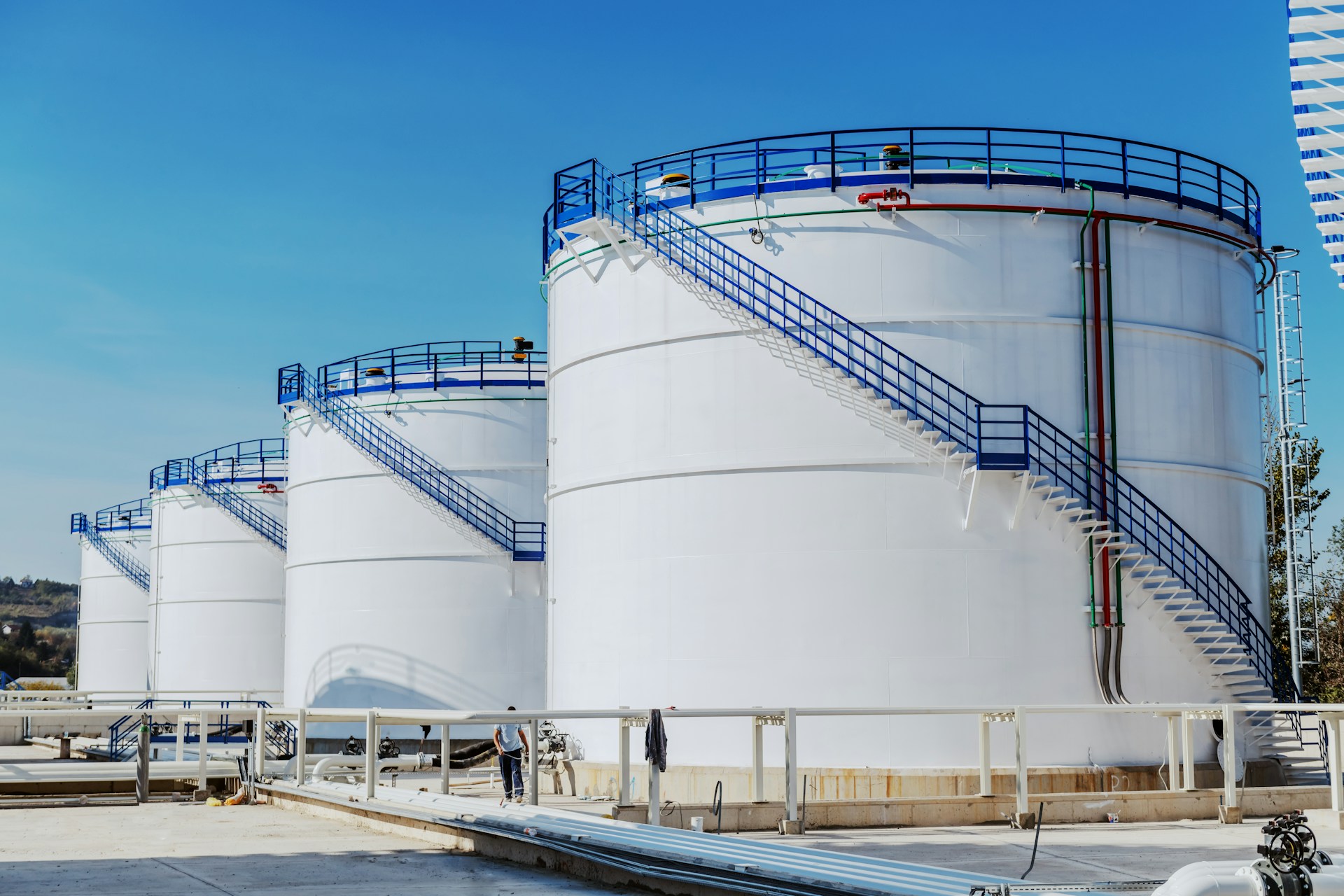


Do you want to know how water tank liners are becoming the lifeline of water tanks? Water is a precious resource that needs to be preserved. However, water is released across industries, cities, and households. From construction site water tanks to massive municipal reservoirs, efficient water storage systems are vital for maintaining consistent and safe water supply for everyone. Hence, it is observed that with time, tanks made of steel, concrete, or fiberglass begin to face common problems like corrosion, leakage, and contamination. And this is where water tank liners step in as the unsung heroes of modern water management. Therefore, durable, adaptable, and cost-effective water tank liners have become the lifeline of storage infrastructure, extending the lifespan of tanks while ensuring clean, safe, and reliable water for every use. It also includes firefighting and industrial processes.
In this blog, we will discuss the importance of tank liners and how they are compatible with the advanced technologies that are used for inspection and maintenance. Keep reading and keep exploring!
What Are Water Tank Liners and Why Are They Needed? Find Out
A water tank liner is a protective layer installed inside a tank to prevent leakage, corrosion, and contamination. It acts as a barrier between the stored water and the tank’s inner surface which is made of metal, concrete, or plastic. However you will notice that with time, water reacts with these materials, leading to: Corrosion in metal tanks, Cracks in concrete tanks and bacterial growth or chemical leaching in poorly maintained surfaces. Therefore, by installing water tank liners, you can prevent direct contact between water and tank walls drastically extending the structure’s lifespan. The materials used to build these liners include Polyvinyl Chloride (PVC), Polyethylene (PE), Butyl Rubber, EPDM (Ethylene Propylene Diene Monomer) etc. All these materials offer different benefits depending on the tank type and usage.
Why Are Water Tank Liners the Lifeline of Modern Water Storage Systems? Explore.
It is not wrong to say that tank liners are the lifeline of construction site water tank. Hence, without liners, even the strongest tanks can deteriorate rapidly. Here’s why these liners are essential for you to store the water properly for multiple purposes. Let’s dive straight into the topic and explore it all. Keep scrolling and keep reading!
#1. Extends Tank Lifespan
One of the biggest advantages of installing water tank liners is the dramatic increase in tank longevity. Over time, constant exposure to water, chemicals, and environmental conditions can cause corrosion, cracking, and weakening of the tank’s structure — especially in metal or concrete tanks. However, a high-quality liner acts as a protective shield, preventing these elements from directly attacking the tank’s surface. By reducing wear and tear, it minimizes the need for frequent repairs or early replacements. Hence, a tank that might degrade within ten years without protection can easily last three times longer with a durable liner. Therefore, this not only preserves your infrastructure investment but also ensures reliable water storage for decades with minimal maintenance costs.
#2. Prevents Water Contamination
Maintaining clean and safe water is crucial, especially for potable and construction site water tanks where contamination can affect health and operations. There are times when you see that unlined tanks are prone to rust, sediment buildup, and bacterial growth and all of which can degrade water quality. However, water tank liners create a smooth, impermeable barrier between the stored water and the tank walls. It enables you to stop harmful substances like rust, algae, and chemical residues from seeping in. This ensures that the water remains fresh, clear, and suitable for use across different applications. Therefore, by minimizing microbial growth and corrosion, liners play a vital role in protecting both equipment and users from potential contamination risks. This ensures long-term water safety and compliance with hygiene standards.
#3. Reduces Maintenance Costs
Tanks without liners often demand constant maintenance. For instance, from cleaning and descaling to repairing leaks and applying anti-corrosion coatings. These recurring tasks not only consume time but also add significant operational costs over the years. However, by installing a water tank liner, you create a durable, protective layer that minimizes direct exposure of the tank surface to water and chemicals. This drastically reduces corrosion, sediment buildup, and microbial growth, meaning less frequent cleaning and fewer repairs. Hence, using liners you can easily increase maintenance intervals which become much longer, and costs drop considerably since there’s no need for repeated internal coatings or structural fixes. Therefore, in the long run, tank liners help organizations save thousands in upkeep while ensuring consistent and efficient performance of their water storage systems.
#4. Improves Water Quality:
High-quality water tank liners play a crucial role in preserving the purity and freshness of stored water. By maintaining stable internal conditions, liners help regulate water temperature and prevent chemical or mineral reactions between the tank’s surface and the stored water. It is especially important during fire water tank inspection, where water quality and tank hygiene are evaluated for emergency readiness. Hence, liners also inhibit bacterial and algae growth by providing a smooth, non-porous surface that resists biofilm buildup. It helps to keep the stored water remains clean, odor-free, and compliant with safety standards. Therefore, whether for potable use or firefighting systems, a properly lined tank ensures consistently high water quality throughout its service life.
#5. ROV for Underwater Inspection: The Smart Way to Monitor Liners
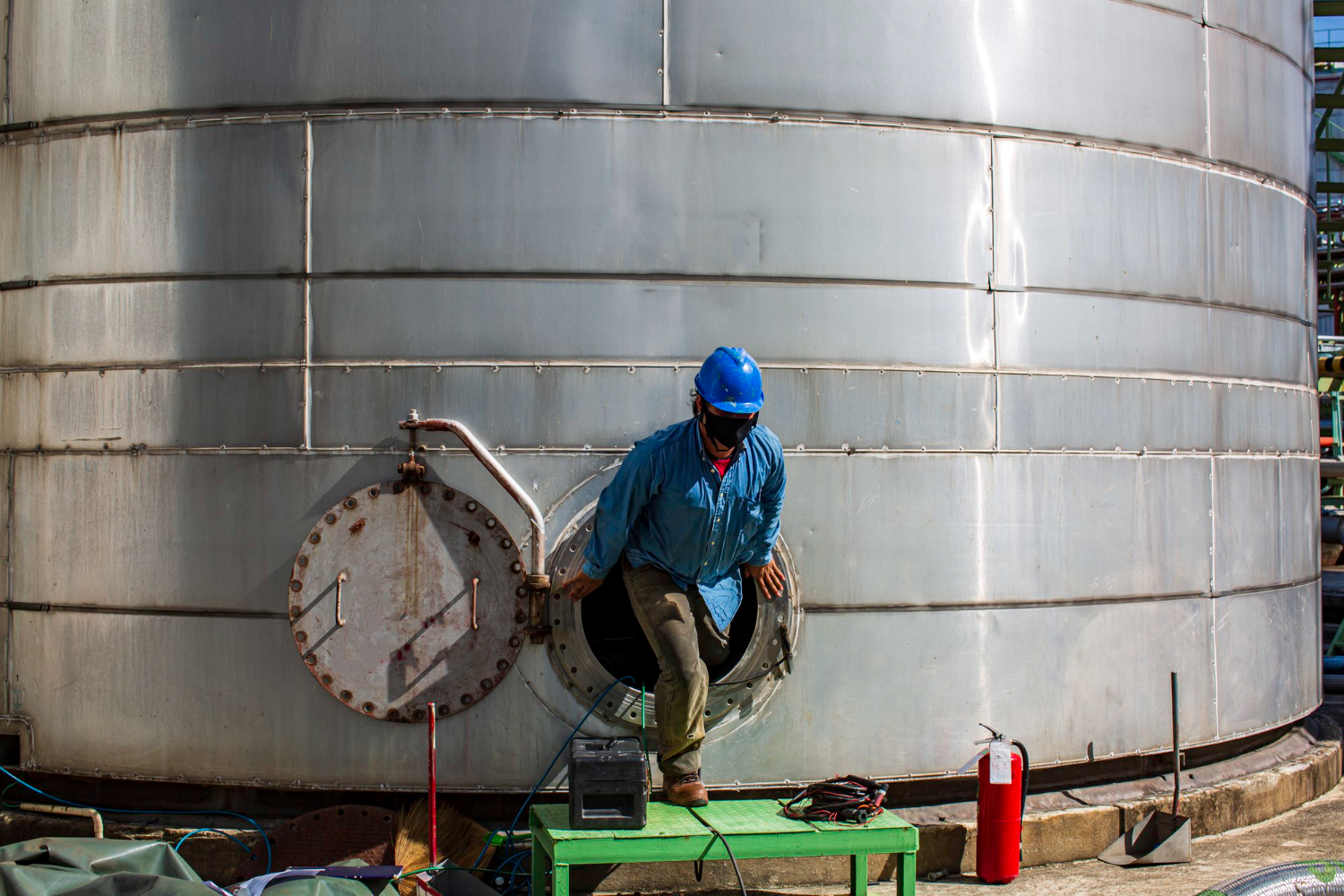
Regular inspection is vital to ensure water tank liners remain in perfect condition, but draining a full tank for manual inspection can be expensive, time-consuming, and inconvenient. Hence, because of this, ROV (Remotely Operated Vehicle) for underwater inspection has become a revolutionary solution. These compact, camera-equipped robots are deployed into filled tanks to capture real-time footage, identify cracks, sediment buildup, or contamination. All this happens without draining the water. However, these are equipped with HD cameras and sonar sensors, ROVs can detect even the tiniest defects with remarkable precision. The process is safe, efficient, and eliminates the need for confined-space human entry. Therefore,by combining ROV for underwater inspection with routine professional maintenance, facility managers can proactively address issues, extend liner lifespan, and ensure uninterrupted, high-quality water storage performance
Wrapping Up!
It is essential to understand that water tank liners are needed from fire water tanks that protect cities to construction site water tanks that power infrastructure projects, water tanks as these are the invisible yet essential layer keeping everything running smoothly. Hence, to extend tank life, ensure water purity, and enable sustainable resource management making them the true lifeline of modern water systems. Therefore, with technologies like ROV for underwater inspection and advanced polymer materials, maintaining these systems has never been easier or more efficient.