Bipolar disorder is a complex mental health condition that affects millions of Americans, altering the way individuals think, feel, and behave. It’s a disorder that brings significant highs and lows moments of intense energy and productivity followed by deep depression and withdrawal. For New Yorkers living with bipolar disorder, finding reliable, effective care can make a profound difference in managing symptoms and maintaining stability. In this educational guide, we’ll explore how treatment options across the state are helping individuals regain balance and live fuller lives. Understanding how Bipolar Disorder Treatment in NY is structured and delivered can empower individuals and families to make informed decisions about their mental health journey.
Understanding Bipolar Disorder
Bipolar disorder, sometimes referred to as manic-depressive illness, is characterized by dramatic shifts in mood, energy, and activity levels. These mood episodes are divided into manic, hypomanic, and depressive phases. During manic or hypomanic periods, a person may feel unusually euphoric, energetic, or irritable. In contrast, depressive episodes can bring sadness, hopelessness, and fatigue. These fluctuations are not simply “mood swings” they are deeply rooted in changes to brain chemistry and functioning.
Bipolar disorder is typically categorized into three main types: Bipolar I, Bipolar II, and Cyclothymic Disorder. While all involve changes in mood and energy, they vary in severity and duration. Diagnosing the correct type is crucial because it guides the treatment plan. A proper diagnosis usually requires an evaluation by a licensed psychiatrist, including psychological assessments and a review of personal and family medical history.
How New York Addresses Bipolar Disorder Treatment
New York has developed one of the most robust mental health infrastructures in the nation. From major hospital systems to local community programs, the state prioritizes access to both medical and therapeutic resources. Public awareness campaigns and education programs also help reduce stigma, encouraging more people to seek the care they need.
State-wide Mental Health Programs
The New York State Office of Mental Health (OMH) manages a network of hospitals, clinics, and outreach services designed to provide affordable care. These programs offer a wide range of treatment options, from inpatient stabilization to long-term outpatient therapy. OMH also funds community-based initiatives that focus on education, prevention, and early intervention—key elements in managing bipolar disorder before it worsens.
City-Level Services and Support
In major metropolitan areas like New York City, mental health care is more accessible than ever. NYC Well, for instance, is a 24/7 helpline that connects residents to trained counselors via call or text. The city also supports outpatient programs, group therapy sessions, and telepsychiatry options. In rural areas of the state, expanded telehealth networks have made psychiatric care more available, bridging the gap for individuals who previously lacked access to specialists.
Treatment Options for Bipolar Disorder in NY
Bipolar disorder requires a comprehensive treatment plan that addresses both the emotional and biological aspects of the condition. The best results come from a combination of medication, therapy, and lifestyle adjustments designed to create long-term stability.
Medication Management
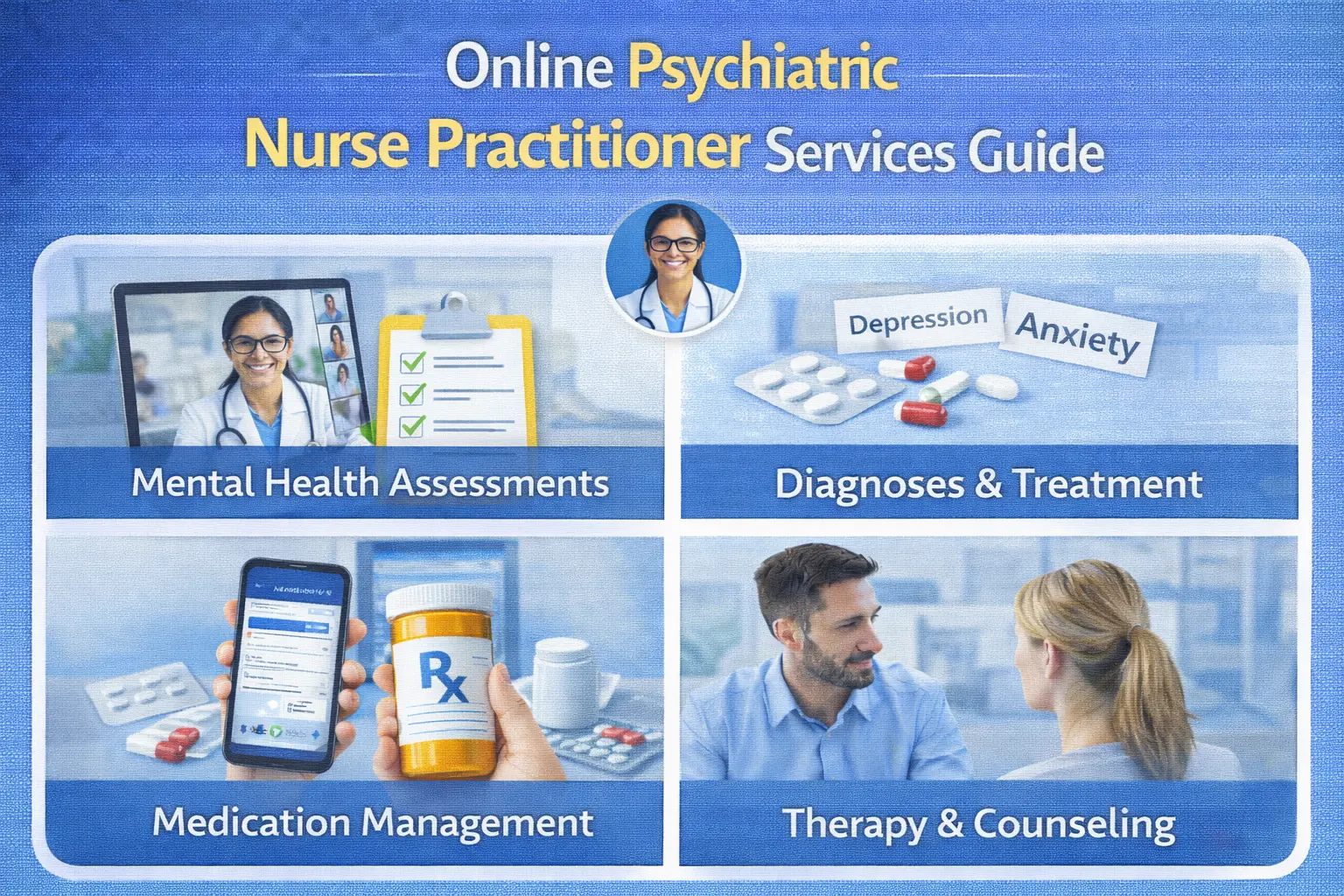
Medications such as mood stabilizers, antipsychotics, and antidepressants are commonly used to manage the symptoms of bipolar disorder. Because each patient’s experience is unique, psychiatrists carefully tailor medication plans to individual needs. In New York, patients have access to both in-person and telepsychiatry consultations for ongoing medication management, allowing for greater flexibility and continuity of care.
Psychotherapy and Behavioral Therapy
Therapy complements medication by addressing emotional regulation, thought patterns, and coping skills. Cognitive Behavioral Therapy (CBT) is among the most effective approaches for bipolar disorder, helping patients identify negative thoughts and replace them with constructive behaviors. Family-focused therapy and interpersonal therapy also play vital roles, promoting better communication and understanding among loved ones. Licensed therapists throughout New York offer specialized care for mood disorders, ensuring that individuals receive evidence-based treatment suited to their situation.
Hospital and Crisis Care
In severe cases—such as when individuals experience extreme mania or suicidal thoughts—hospitalization may be necessary for stabilization. New York’s top psychiatric facilities, including Columbia University Medical Center and NYU Langone, offer inpatient and partial hospitalization programs specifically designed for mood disorders. After discharge, patients are encouraged to continue outpatient therapy and follow-up care to maintain progress.
The Role of Education and Awareness
Education is one of the strongest tools in managing bipolar disorder. By understanding the condition, both individuals and families can better recognize warning signs and intervene early. Schools, workplaces, and community organizations across New York now offer educational programs focused on mental wellness and resilience. These initiatives teach people how to support those living with bipolar disorder while challenging the stigma that often surrounds mental health.
Family and Community Involvement
Family support is critical in treatment success. When loved ones understand how bipolar disorder works, they can provide meaningful encouragement and accountability. Many organizations in New York offer family education workshops and support groups that focus on communication skills, emotional regulation, and crisis planning. These collaborative approaches help create an environment that supports long-term recovery.
Integrating Lifestyle Changes in Treatment
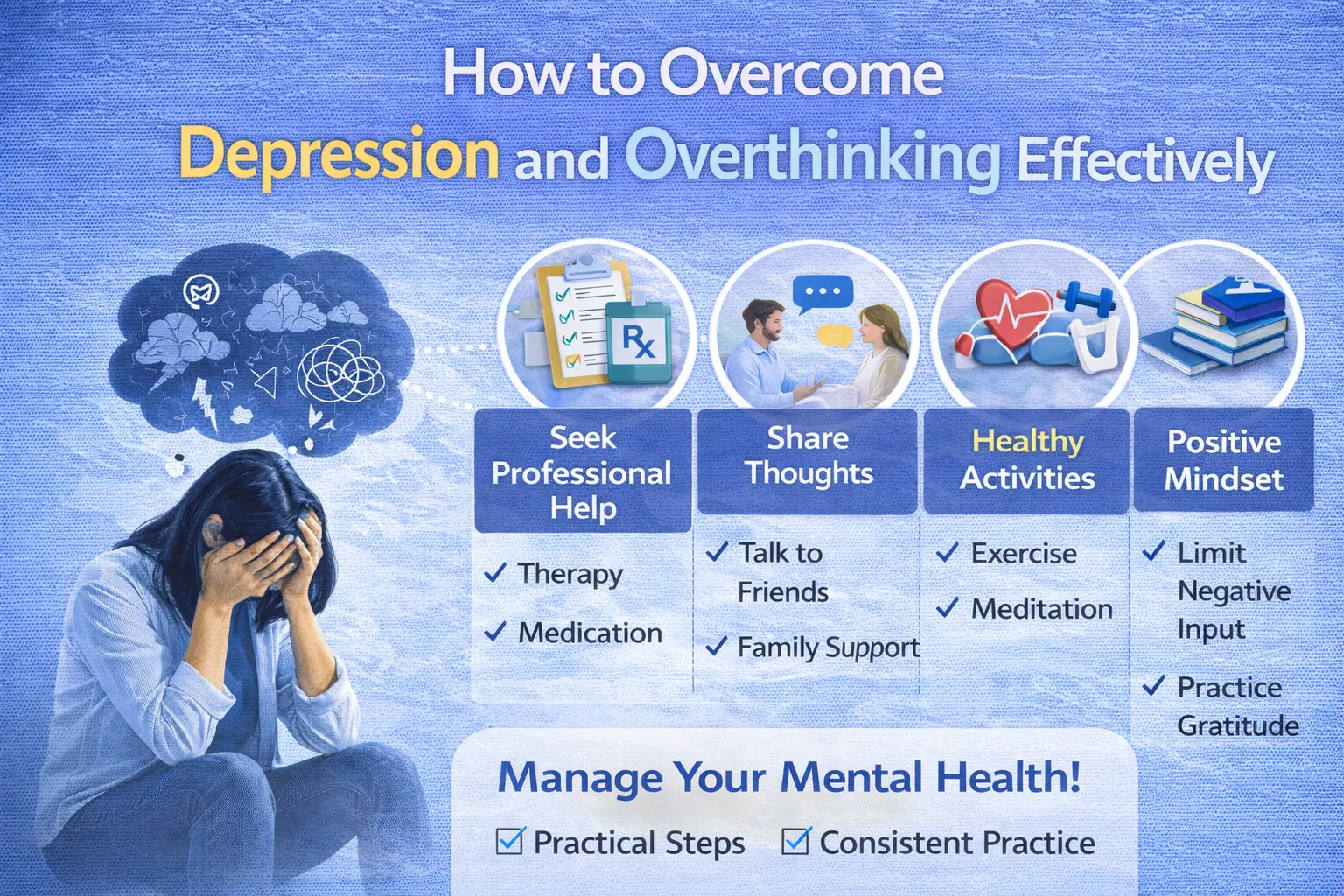
While medication and therapy form the foundation of treatment, lifestyle habits can significantly influence recovery. A balanced diet, consistent sleep routine, and regular exercise are proven to improve mood stability. Many therapists also recommend mindfulness practices such as meditation and journaling to help patients manage stress and gain self-awareness.
In New York, community wellness programs, yoga studios, and outdoor activities provide opportunities for self-care. Access to green spaces like Central Park and state nature reserves can also have positive effects on mental health, offering calm and structure to those navigating the complexities of bipolar disorder.
Technological Advances in Mental Health Care
Modern technology has expanded how individuals can access treatment in New York. Telehealth services, online therapy platforms, and mental health apps have become essential tools for managing symptoms and tracking progress. These innovations make it easier for individuals to stay consistent with treatment, even with busy schedules or limited mobility.
Digital health records and secure communication platforms also allow for better coordination between healthcare providers, ensuring that medication, therapy, and progress are aligned. For many patients, the flexibility of online appointments has made it easier to maintain regular care without missing crucial follow-ups.
If you’re exploring options for support, our related article on Resources for Bipolar Disorder offers an in-depth look at additional programs and organizations available to residents across New York State.
Finding the Right Treatment Team
Choosing the right professionals can make a lasting difference in managing bipolar disorder. Look for psychiatrists, psychologists, and therapists who specialize in mood disorders and have experience working with diverse patient needs. Consistent communication, empathy, and an individualized approach are vital qualities to seek in a provider.
Many treatment centers in New York now follow a collaborative care model, where different specialists—psychiatrists, therapists, social workers, and nurses—work together to provide integrated support. This approach ensures that every aspect of a person’s mental health is addressed, from medication adjustments to social functioning.
The Future of Bipolar Disorder Treatment in NY
New York continues to evolve as a leader in mental health care innovation. Statewide initiatives aim to further expand telepsychiatry, improve early intervention programs, and increase funding for community-based services. The focus is shifting toward long-term management and recovery rather than short-term crisis response.
Ongoing research at universities like Columbia and Cornell is also advancing understanding of bipolar disorder’s genetic and neurological foundations. These studies will eventually lead to more precise treatments and better outcomes for patients across the state.
Partnering with a Trusted Mental Health Provider
Finding a compassionate and reliable care provider is an essential part of the recovery process. Serenity Telehealth is one example of an organization that offers accessible and professional psychiatric care to New Yorkers. With experienced clinicians and a patient-centered approach, their telehealth services make it easier to receive ongoing therapy and medication management from the comfort of home. For individuals seeking flexible and effective care, partnering with an Online Mental Health Provider in New York can be a life-changing step toward stability and wellness.
Final Thoughts
Bipolar disorder is a lifelong condition, but it doesn’t have to define one’s life. With comprehensive treatment, education, and support, individuals can achieve meaningful stability and rediscover joy in their everyday experiences. New York’s commitment to improving access, awareness, and innovation in mental health care offers hope to thousands living with this condition. By staying informed and proactive, you can take charge of your mental health journey and build a foundation for lasting well-being. Understanding the full scope of Bipolar Disorder Treatment in NY is the first step toward empowerment, recovery, and a brighter future.