

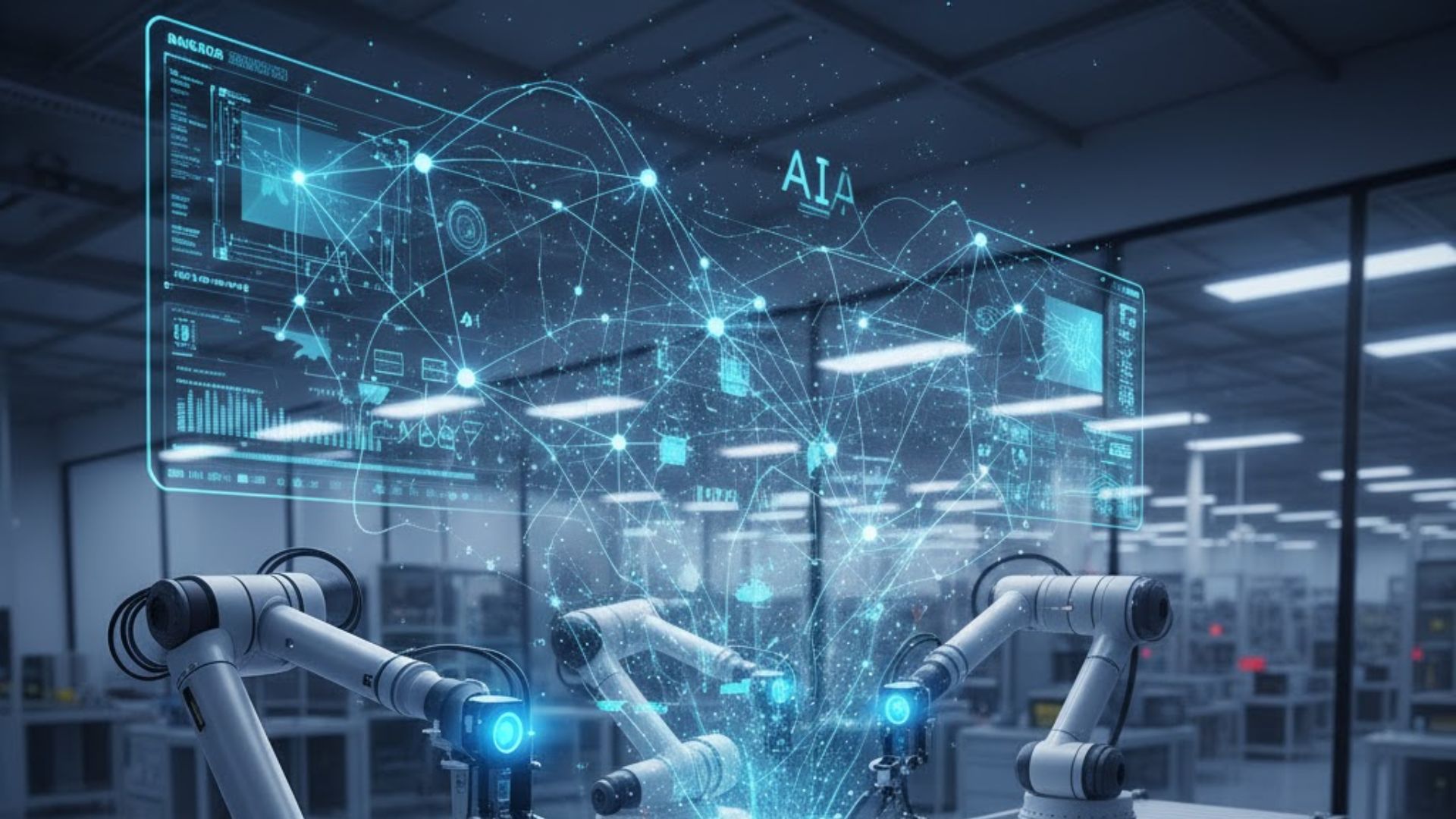
In 2025, the testing landscape is changing faster than ever. Artificial Intelligence (AI) has officially entered the world of test automation, turning traditional validation systems into intelligent, adaptive solutions. As industries strive for faster production cycles, higher accuracy, and smarter decision-making, the convergence of AI and automated test equipment is driving a revolution in how products are tested, optimized, and delivered to market.
AI isn’t just an add-on—it’s becoming the brain behind modern test systems. Whether in telecommunications, automotive, or electronics manufacturing, the demand for smarter, self-learning equipment is rising sharply. These systems no longer just execute test sequences; they predict failures, adapt to component changes, and continually improve test performance with minimal human oversight.
Key Takeaways
- Discover how AI is reshaping the capabilities of automated test equipment in 2025 and beyond.
- Learn the key benefits and challenges of integrating AI with traditional testing systems.
- Explore practical ways organizations can adopt intelligent automation for better efficiency and accuracy.
- Understand how AI-driven insights reduce costs, enhance quality, and speed up production cycles.
- Gain actionable strategies to select and optimize AI-enhanced test equipment for your specific needs.
AI and Automation: A New Era of Testing Intelligence
The integration of AI with automated test equipment has marked a transformative leap in industrial efficiency. Traditionally, test systems followed fixed parameters—executing pre-defined scripts, collecting data, and flagging pass-or-fail results. While effective, this static approach often failed to keep pace with today’s complex product architectures and dynamic testing requirements.
AI changes that. By applying machine learning algorithms, automated test systems can analyze vast volumes of data, detect subtle patterns, and make predictive adjustments in real-time. For example, in RF testing or semiconductor validation, AI can optimize frequency sweeps, anticipate anomalies, and adjust thresholds without human input.
This capability translates to fewer false failures, reduced downtime, and faster iteration cycles—critical in high-pressure manufacturing environments where every second counts.
Why AI Matters in Automated Test Equipment
1. Enhanced Accuracy and Reliability
AI-driven systems learn from historical test data, improving accuracy over time. Instead of treating every test as an isolated event, AI analyzes trends and outliers, creating a self-correcting loop. This ensures that even subtle performance deviations are detected early, helping maintain product consistency and compliance.
2. Predictive Maintenance
One of the most powerful benefits of AI in automated test equipment is predictive maintenance. Rather than waiting for hardware failures, AI models monitor equipment health in real time and forecast potential breakdowns. This minimizes unplanned downtime and extends the life of expensive testing assets.
3. Smarter Data Utilization
Traditional test systems often generate terabytes of data that remain unused. AI converts this data into actionable insights—identifying inefficiencies, optimizing test coverage, and even suggesting design improvements. The outcome is a continuous feedback loop between product design, testing, and production.
4. Adaptive and Scalable Testing
AI algorithms allow test systems to dynamically adjust parameters depending on the product type, environment, or detected conditions. This makes it easier for manufacturers to scale operations across different production lines without redesigning entire test setups.
Challenges in Implementing AI-Driven Test Systems
As transformative as it is, adopting AI into automated test equipment isn’t without challenges.
Data Quality and Integration
AI models are only as good as the data they learn from. Inconsistent, incomplete, or biased datasets can lead to inaccurate predictions. Ensuring clean, standardized data pipelines is essential for effective AI integration.
Skill Gaps and Training
Organizations often face a learning curve when shifting to AI-powered testing. Engineers and operators need training to understand, maintain, and fine-tune AI systems. Bridging this skill gap is crucial for maximizing ROI.
Initial Cost and Infrastructure
AI-based systems may require significant upfront investment in hardware, software, and integration. However, the long-term benefits—reduced errors, lower maintenance costs, and faster cycles—often justify the expenditure.
Data Security and Compliance
With greater data dependency comes the need for robust cybersecurity. Ensuring secure data storage, compliance with industry regulations, and protection against cyber threats must be part of every AI integration plan.
Best Practices for Adopting AI-Enhanced Automated Test Equipment
Organizations looking to harness AI in their test environments can follow these best practices for a smooth transition:
1. Start with a Clear Use Case
Identify specific pain points in your testing workflow—such as repetitive test failures, manual analysis delays, or high equipment downtime—and focus AI integration on solving those problems first. A targeted approach ensures measurable success early on.
2. Invest in Data Infrastructure
Before implementing AI, ensure that your data collection, storage, and processing systems are robust. Clean, structured, and labeled data accelerates machine learning efficiency and accuracy.
3. Collaborate with Experts
Partner with technology providers or system integrators specializing in AI-driven automated test equipment. Their expertise can help tailor solutions to your operational requirements and ensure seamless deployment.
4. Prioritize Scalability
Choose solutions that can grow with your organization. Scalable AI-enabled test platforms allow you to expand functionality as your products, teams, and testing requirements evolve.
5. Monitor and Refine
AI systems continuously learn, but human oversight remains important. Regularly review system outputs, validate models, and fine-tune algorithms to maintain optimal performance and reliability.
The Future Outlook: Smarter, Self-Learning Test Environments
As AI continues to mature, the future of automated test equipment looks remarkably adaptive and interconnected. Imagine test systems that communicate across global production lines, sharing insights in real time. Machine learning models will automatically benchmark performance, flag deviations, and recommend process optimizations—all while ensuring compliance with evolving standards.
Moreover, AI’s role in sustainability is becoming significant. By optimizing test durations and minimizing energy consumption, intelligent automation helps reduce environmental impact while maintaining productivity.
We’re entering an era where the boundaries between testing, production, and analytics blur—creating fully integrated, intelligent ecosystems that continuously improve themselves.
Empower Your Testing Future with AI and Automation
The fusion of AI and automation is redefining the boundaries of product validation. For organizations ready to innovate, investing in AI-driven automated test equipment is no longer a futuristic concept—it’s a competitive necessity.
With expertise in designing intelligent and scalable test systems, Orbis Systems stands at the forefront of this evolution. Their commitment to automation excellence and data-driven innovation helps industries worldwide build smarter, faster, and more efficient testing environments—ushering in the true era of intelligent manufacturing.
FAQs on AI and Automated Test Equipment
1. How does AI improve automated test equipment performance?
AI enhances testing performance by analyzing data patterns, predicting anomalies, and adjusting parameters automatically. This results in faster, more accurate testing and fewer manual interventions.
2. Can AI be integrated into existing test systems?
Yes. Many modern AI modules can be retrofitted into existing automated test systems through software updates or cloud-based analytics platforms, making the transition cost-effective.
3. What industries benefit most from AI-enhanced automated test equipment?
AI-driven test systems benefit industries like automotive, telecommunications, aerospace, and electronics—where precision, scalability, and speed are vital for innovation and reliability.
4. What are the key cost benefits of AI in test automation?
While initial investment may be higher, AI drastically reduces rework, improves equipment uptime, and accelerates testing cycles, leading to long-term savings and higher operational efficiency.
5. How does AI ensure better product quality?
AI algorithms learn from past test results to identify subtle defects and correlations that human operators might overlook. This continuous learning ensures superior quality control and product reliability.
6. Is AI testing suitable for small-scale manufacturers?
Absolutely. Cloud-based and modular AI solutions now make advanced automation accessible to small and medium enterprises without requiring large infrastructure investments.