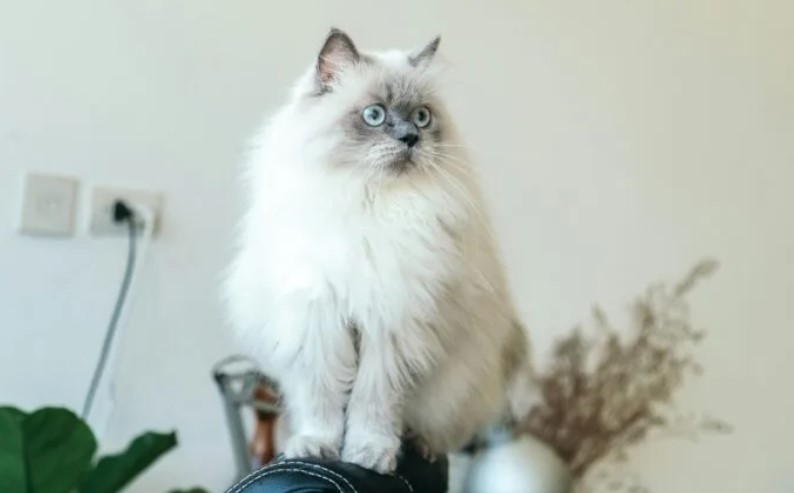



Cat Body Language
Cats communicate a remarkable array of emotions and intentions through their body language, providing us with valuable insights into their internal states. Recognizing and understanding these subtle cues can significantly enhance the bond between humans and their feline companions, leading to more harmonious interactions and better care. The position of a cat’s ears, tail, eyes, and overall posture all serve as indicators of how they are feeling at any given moment. For example, when a cat’s ears are pointed forward and its eyes are wide open, it often signals curiosity or interest, perhaps in a new object or person in its environment. On the other hand, ears flattened against the head, accompanied by a puffed-up tail and dilated pupils, typically indicate fear, aggression, or discomfort. A relaxed cat, by contrast, tends to lie on its side or stomach, with paws tucked under its body and tail gently flicking, a sign of contentment and ease. Recognizing these signs allows owners to respond appropriately—whether that means giving their feline friend space, offering gentle reassurance, or engaging in play to redirect their energy. The nuances of cat body language are a fascinating window into their complex emotional landscape, revealing feelings that are often subtle but profoundly meaningful. When owners learn to interpret these signals, they can better meet their cats’ needs, prevent misunderstandings, and foster a deeper sense of trust and companionship.
Cat Behavior Explained
The world of feline behavior is a rich tapestry woven through thousands of years of evolution, shaped by their instincts, environment, and social needs. At the core of many behaviors lies the innate hunting instinct, which influences everything from their grooming habits to their play patterns. Cats spend a significant portion of their day grooming themselves meticulously, a practice that not only keeps them clean but also serves as a social signal among cats and a calming activity for their owners. Play behavior, such as stalking, pouncing, and batting at toys, is more than mere entertainment; it is a vital component of their mental and physical health, mimicking the hunting activities of their wild ancestors. These behaviors provide essential outlets for their natural instincts, preventing boredom and destructive tendencies. Scratching is another fundamental behavior, serving multiple purposes: it helps keep their claws healthy and sharp, marks territory with scent glands located in their paws, and provides a satisfying physical activity. Understanding these behaviors enables owners to create environments that support their cats’ natural needs, reducing stress and promoting well-being. Additionally, cats exhibit a wide range of social behaviors, which vary considerably among individuals. Some cats are highly affectionate, seeking constant companionship and physical closeness, while others prefer solitude and independence. Recognizing and respecting these differences allows for a tailored approach to their care, ensuring each cat’s unique personality is nurtured. Exploring cat behavior reveals their incredible complexity and helps us appreciate the depth of their personalities, making us better equipped to meet their needs and foster a healthy, happy relationship.
Cat Behavior Problems
While cats are often seen as mysterious and charming creatures, they can sometimes develop behavior problems that challenge even the most devoted owners. These issues can manifest in various ways, including scratching furniture excessively, urinating outside the litter box, aggressive outbursts, or excessive vocalization. Many of these problems are rooted in stress, boredom, or unmet needs, and addressing them requires understanding their underlying causes. For instance, a cat that scratches furniture excessively might be trying to mark territory or relieve stress, especially if it lacks adequate scratching posts or toys to engage with. Providing appropriate outlets for these natural behaviors can help mitigate the problem. Inappropriate elimination, such as urinating outside the litter box, can be caused by medical issues like urinary tract infections, territorial disputes with other animals, or dissatisfaction with the litter box environment itself. Identifying and resolving these issues often involves veterinary consultation, environmental modifications, and behavioral training. Aggression in cats can be triggered by fear, territorial instincts, pain, or frustration. Managing aggression involves understanding the specific triggers and creating a safe, calm environment while using positive reinforcement techniques. Excessive vocalization, often associated with anxiety, loneliness, or seeking attention, can be distressing but is usually a sign that the cat needs more mental stimulation or companionship. Addressing these behavior problems effectively requires patience, consistency, and a compassionate approach. Environmental enrichment, such as providing toys, climbing structures, and hiding spots, along with positive reinforcement for desirable behavior, can significantly improve a cat’s quality of life. Sometimes, medical intervention is necessary if behavioral issues are linked to health problems. Ultimately, understanding the root causes of these behaviors and addressing them thoughtfully helps foster a healthy, trusting relationship between cats and their owners, ensuring that natural feline behaviors do not become problematic but instead contribute to a fulfilling companionship.

We design custom cat face socks from your cat photos at Sockswithfaces.com.
Easily create your unique personalized cat socks in several colors of your choice.
Our talented designers print your cat face on beautiful custom cat photo socks that shows off your loved one everywhere you go.Visit Here:- https://sockswithfaces.com/products/custom-cat-socksContact us if you have any questionsEmail: hello@sockswithfaces.com