

The human body is made up of trillions of cells, each functioning as a small, self-contained system. For these cells to survive and perform their roles effectively, they must maintain a delicate balance known as cellular homeostasis. This balance ensures that essential processes like energy production, waste removal, and protein synthesis occur smoothly.
At the heart of this balance are native proteins—properly folded, functional proteins that drive nearly every cellular activity. When native proteins lose their structure or function, the entire system can become unstable, often leading to disease.
This article explores how native proteins maintain cellular homeostasis, what happens when they malfunction, and how these processes are linked to disease prevention.
Understanding Native Proteins
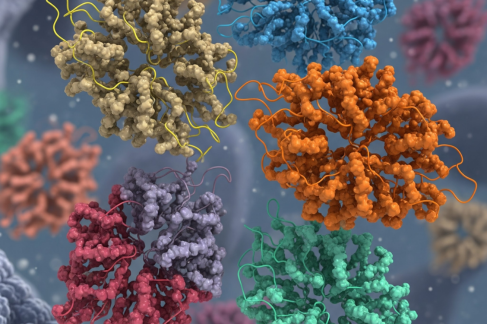
Proteins are large, complex molecules made of amino acids that fold into specific three-dimensional structures. When a protein folds correctly into its functional form, it is referred to as a native protein. The shape of a protein determines its function—whether it acts as an enzyme, receptor, transporter, or structural component.
Native proteins are responsible for almost all cellular processes, including metabolism, signal transduction, transport of molecules, and defense mechanisms. Maintaining their proper folding and function is vital for keeping the internal environment of the cell stable and responsive to change.
Role of Native Proteins in Cellular Homeostasis
Cellular homeostasis refers to the cell’s ability to maintain a constant internal environment despite external changes. Native proteins are central to this regulation. They work together in complex networks to monitor and adjust various physiological processes.
Some of the most important ways in which native proteins maintain cellular homeostasis include:
Enzyme Regulation
Enzymes are catalytic proteins that control the rate of biochemical reactions. Native enzymes have precisely folded active sites that bind specific substrates. This allows them to speed up essential reactions, such as energy production in mitochondria or DNA replication in the nucleus, without disrupting the balance of other cellular processes.
If these enzymes lose their native structure, reactions may slow down or stop entirely, leading to metabolic imbalances and potential disease.
Protein Quality Control
Cells have a built-in system to ensure proteins maintain their correct structure. Molecular chaperones, themselves native proteins, assist in folding newly synthesized proteins and refolding misfolded ones. Other systems, such as the ubiquitin-proteasome pathway, remove damaged or misfolded proteins that could otherwise form toxic aggregates.
Through these mechanisms, native proteins help maintain a clean and efficient cellular environment, preventing harmful accumulation of defective molecules.
Ion and Water Balance
Membrane-bound proteins like ion channels and transporters are essential for regulating the flow of ions and water across cell membranes. These proteins maintain the proper concentrations of sodium, potassium, calcium, and other ions necessary for nerve impulses, muscle contraction, and metabolic stability.
When these native membrane proteins malfunction, it can cause severe disorders such as cystic fibrosis, epilepsy, or cardiac arrhythmia.
Signal Transduction and Communication
Cells rely on native receptor proteins and signaling enzymes to detect and respond to changes in their environment. These proteins transmit messages from the cell surface to the nucleus, influencing gene expression and adaptive responses.
For instance, when hormones bind to their receptors, native proteins inside the cell trigger cascades that regulate metabolism, growth, and immune responses. Proper communication between these proteins ensures that the cell responds appropriately to stress, nutrient levels, or infection.
Native Proteins and Stress Response
Cells frequently encounter stress from environmental factors such as heat, toxins, or oxidative damage. Native proteins play a key role in managing these conditions through stress response pathways.
When stress occurs, proteins like heat shock proteins (HSPs) are produced. These chaperone proteins help refold damaged proteins and prevent aggregation. Additionally, antioxidant enzymes such as superoxide dismutase (SOD) and catalase protect cells from oxidative stress by neutralizing reactive oxygen species (ROS).
By maintaining protein stability and reducing oxidative damage, native proteins help the cell recover from stress and prevent long-term damage that could lead to diseases like cancer or neurodegeneration.
How Protein Misfolding Disrupts Cellular Homeostasis
When proteins fail to maintain their native structure, they become misfolded or aggregated. This misfolding can be caused by genetic mutations, aging, environmental stress, or errors in protein synthesis.
Misfolded proteins often lose their normal function and may form insoluble aggregates that interfere with cell processes. Such disruption affects energy balance, nutrient sensing, and cellular signaling, eventually leading to cell death.
Many chronic diseases are associated with the accumulation of misfolded proteins. For example:
- Alzheimer’s disease is linked to the aggregation of beta-amyloid proteins.
- Parkinson’s disease involves misfolded alpha-synuclein.
- Huntington’s disease results from expanded polyglutamine tracts, causing protein instability.
In each of these conditions, the loss of protein homeostasis (proteostasis) leads to cellular stress, inflammation, and degeneration of tissues.
Native Proteins in Disease Prevention
Native proteins not only maintain normal cellular functions but also act as defenders against disease. Enzymes involved in DNA repair, antioxidant defense, and immune signaling all depend on proper protein folding and activity.
For instance:
- DNA repair proteins detect and fix genetic damage, preventing mutations that could lead to cancer.
- Antioxidant proteins prevent the buildup of oxidative stress, protecting cells from premature aging and inflammation.
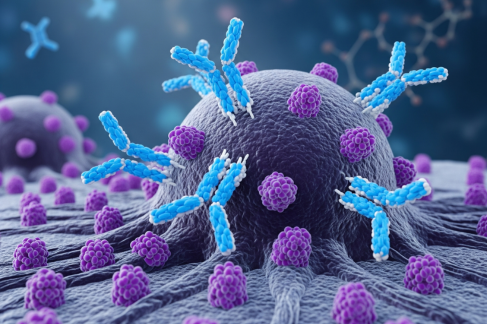
- Immune system proteins, such as antibodies and cytokines, rely on precise folding to identify and neutralize pathogens effectively.
Through these roles, native proteins help sustain healthy cellular function and prevent the onset of metabolic, neurodegenerative, and autoimmune diseases.
Maintaining Protein Homeostasis (Proteostasis)
The cell’s ability to keep proteins in their native state is called proteostasis. This process is regulated by a network of native proteins that manage synthesis, folding, trafficking, and degradation.
Proteostasis involves three major systems:
- Molecular chaperones which assist in folding and prevent aggregation.
- Proteasomes and lysosomes which degrade damaged or unnecessary proteins.
- Signaling pathways, which sense misfolded proteins and activate corrective mechanisms.
When these systems function properly, cells remain healthy. However, a breakdown in proteostasis leads to stress, aging, and disease.
Conclusion
Native proteins are the foundation of cellular life. They drive biochemical reactions, transport molecules, regulate communication, and protect cells from stress. By maintaining their correct structure and function, native proteins preserve cellular homeostasis—the balance that keeps cells alive and healthy.
When this balance is lost due to protein misfolding or damage, diseases ranging from metabolic disorders to neurodegeneration can arise. Understanding how native proteins work and how to preserve their stability offers new possibilities for developing therapies that restore cellular health and prevent disease. In addition, buying native from a reliable supplier, like AAABio, is recommended for accurate and reproducible results!