


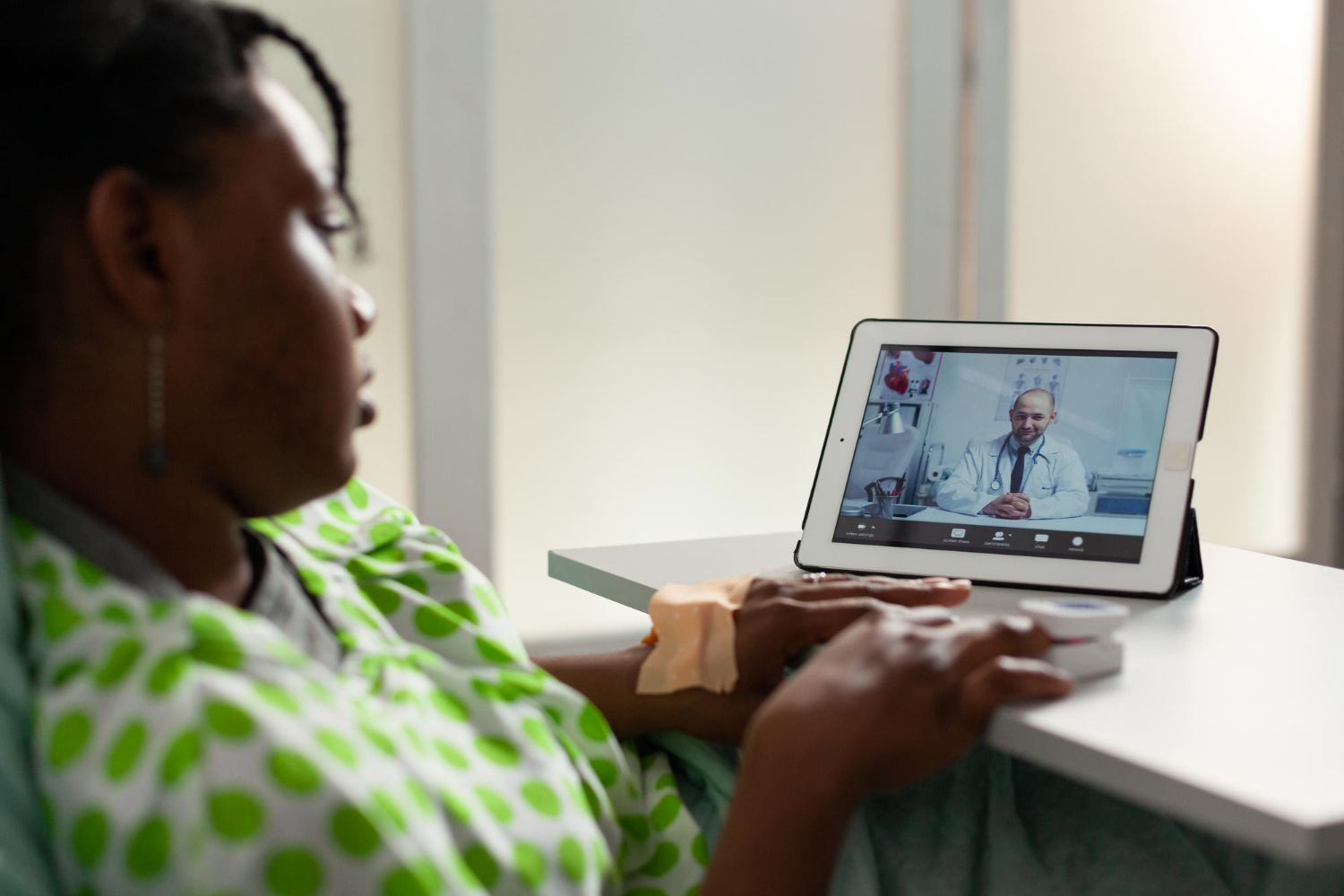
Speaking from the perspective of today’s virtual healthcare environment, compliance is the backbone of safe and reliable telemedicine. Patients may connect through a screen, but the rules that protect them are just as strict as in traditional hospitals often even stricter. From licensure and payer enrollment to privacy laws and billing rules, every step requires careful oversight. That is why Telemedicine and Telehealth Credentialing Services have become essential for organizations expanding virtual care. Without structured compliance, providers risk denied claims, legal penalties, patient safety issues, and interruptions in scheduling.
Why Compliance Matters More in Telehealth
Telemedicine changed how care is delivered, but it did not remove regulatory requirements. In fact, virtual medicine introduces new complexities. Providers treat patients across cities, counties, and sometimes multiple states. Every one of those locations may have different credentialing, prescribing, and billing rules. Without formal compliance systems, even experienced healthcare teams can make costly mistakes.
Compliance protects:
Patient safety and quality of care
Provider eligibility and legal status
Reimbursement with public and private payers
Audit readiness and regulatory oversight
Healthcare organizations from liability
When compliance is missing, patients suffer first. Appointments get canceled, prescriptions are delayed, or insurers reject claims. The purpose of credentialing is to prevent these problems before they ever reach the patient.
Credentialing as a Legal Requirement
Some physicians assume that experience or board certification allows them to treat patients anywhere online. Legally, that is not true. Providers must:
Hold active licenses in every state where patients are located
Complete payer enrollment before billing claims
Follow telemedicine laws, consent rules, and prescribing regulations
Maintain malpractice coverage for virtual care
Meet hospital or network credentialing standards
Credentialing verifies these requirements and creates documented proof that a provider is legally allowed to deliver care. Without it, physicians risk practicing medicine without authority—a violation that can lead to fines, suspended licenses, or criminal penalties in severe cases.
How Compliance Protects Revenue
Telemedicine is only sustainable when reimbursement is secure. Insurance companies will not pay claims for providers who are not credentialed or properly enrolled. Even if a doctor treats a patient safely and documents accurately, claims can be denied if a payer has not approved the provider.
Common revenue risks include:
Billing before payer enrollment is completed
Using outdated or non-covered telehealth codes
Incorrect location or modifier usage
Expired state licenses or DEA registration
Missing consent documentation
Every one of these issues traces back to compliance. A fully credentialed provider with proper enrollment creates cleaner claims, faster payments, and fewer denials. In a virtual practice, clean claims are the difference between profit and financial instability.
Multi-State Regulations and Telemedicine
Compliance becomes complex when providers see patients across state lines. Each state has:
Individual licensure rules
Specific telehealth laws
Different controlled substance rules
Varying Medicaid billing policies
Unique payer enrollment requirements
What is allowed in one state may be illegal in the next. Some states permit remote prescribing freely, while others require in-person evaluations. Some allow audio-only visits; others do not. Credentialing is the system that tracks these differences and protects providers from accidental violations.
Patient Safety and Trust
Compliance is not just paperwork. It reassures patients that the clinician behind the screen is qualified, licensed, and accountable. Patients rarely ask about state licensing or payer enrollment, but they expect providers to meet these standards.
Credentialing helps ensure:
Accurate diagnosis and safe prescribing
Verified education and medical training
Clean malpractice and disciplinary history
Ethical and professional standards
Trust is the foundation of medicine. In virtual care, trust depends heavily on compliance because patients cannot see the physical signs of professionalism—like a hospital badge or clinic environment they rely on the system itself.
Billing and Compliance Working Together
Telemedicine goes beyond clinical care. After every visit, providers must document properly, code correctly, and verify eligibility. That is why many organizations support compliance teams with Virtual Medical Billing Assistants who understand telehealth billing rules. When credentialing and billing function together, practices avoid:
Out-of-state claim denials
Coding errors for virtual vs in-person services
Missing modifiers and telehealth place-of-service rules
Revenue delays due to enrollment gaps
A strong credentialing foundation makes billing accurate from day one. When payers approve the provider before claims go out, reimbursement flows smoothly.
How Compliance Reduces Legal Risk
Regulators monitor telehealth closely because of concerns about patient safety, identity verification, and prescribing. Compliance reduces risk by building documentation that proves the provider followed every rule.
A compliant telehealth practice keeps:
Proof of state licensure
Payer approvals and enrollment letters
Malpractice coverage certificates
Patient consent forms
Secure technology certifications
Audit-ready billing records
If a payer or government agency requests documentation, a compliant practice can provide it immediately. When compliance is missing, organizations face penalties, repayment demands, or loss of billing privileges.
Technology and Secure Infrastructure
Virtual care requires more than a webcam. Physicians must use secure platforms that protect patient data and comply with HIPAA. Compliance rules apply to:
Video visits
Electronic health records
Messaging systems
Scheduling and intake forms
E-prescribing platforms
Payment processing
Credentialing teams verify that technology meets state and federal privacy standards. If a platform fails compliance, a provider may legally need to stop seeing patients until the issue is fixed.
The Role of Ongoing Monitoring and Renewal
Once a provider is credentialed, compliance does not end. Licenses expire, payer rules change, and telehealth regulations update regularly. Ongoing credentialing prevents:
Unintentional practice with expired licensure
Gaps in malpractice coverage
Billing under outdated payer contracts
Failed audits due to missing documents
Most organizations use automated systems or outsourced credentialing services to track renewals. Without monitoring, providers can suddenly lose billing privileges with no warning.
The Bigger Picture: Ethical and Professional Responsibility
Even when laws allow flexibility, telemedicine must meet professional standards. Compliance supports ethical care by ensuring:
Patients receive qualified medical guidance
Providers practice only within approved scope
Prescribing remains safe and evidence-based
Privacy and confidentiality are protected
Virtual medicine only works when accountability is strong. Credentialing is the structure that keeps medicine honest and dependable online.
Final Thoughts
Telemedicine makes healthcare more accessible, but compliance makes it trustworthy. Credentialing verifies that providers are licensed, trained, and legally able to bill insurers. Payer enrollment ensures claims are reimbursed correctly. Secure technology protects privacy, while ongoing monitoring prevents costly lapses. Because these responsibilities are extensive, many healthcare organizations partner with a trusted Medical billing company that combines credentialing, enrollment, and billing support under one system.
When compliance is strong, telehealth becomes efficient, ethical, and sustainable. Patients receive safe care, providers avoid legal risk, and revenue flows predictably. In the digital era of healthcare, compliance is not a formality it is the foundation that holds virtual medicine together.