



The Curious Cat: How to Decode Feline Behavior at Home invites us to see beyond the surface of a cat’s actions and listen to the subtle signals a cat offers every day. While cats are known for their independence and sometimes inscrutable demeanor, there is a rich, expressive language behind every tail flick, ear twitch, and settled purr. This article aims to provide a balanced, practical guide to interpreting feline behavior in the home, with a focus on safety, bonding, and well-being for both humans and their furry companions. Whether you share your living space with a confident social butterfly or a shy lurker who prefers the shadows, understanding how a cat communicates helps you respond with empathy, reduce stress, and strengthen the bond that makes your household a harmonious place to live.
feline body language: Understanding a Cat's Whole-Body Cues to Read Mood, Intent, and Comfort
Feline body language is a dynamic blend of posture, facial expression, and movement that conveys mood, intention, and the current level of comfort. Reading these cues starts with paying attention to the smallest details and recognizing that context matters. A cat does not communicate in a single gesture; rather, a sequence of signals provides a clearer picture of what the animal is feeling at that moment. When you combine observations of ears, eyes, whiskers, body stance, and even breath, you begin to map a cat’s internal state with greater accuracy and precision than any single sign could provide.
The ears offer an immediate read on a cat’s focus and emotional tone. Ears facing forward generally indicate curiosity, interest, or relaxed attention. If the ears are angled slightly outward or moving independently, the cat is assessing its environment, perhaps listening for a subtle sound or awaiting a cue from you. Ears that are flattened against the head signal fear, anxiety, or a defensive posture, especially when paired with a crouched body and dilated pupils. If a cat’s ears slide back along the head during a social moment or when you approach with a meal, it may be signaling discomfort or a desire to control the pace of interaction. In some contexts, a single ear pivot can reflect a momentary shift in attention rather than a fixed mood, so it’s important not to over-interpret isolated movements; instead, look for a pattern of signals emerging over several seconds.
Eyes are another key window into feline emotions. Wide, rounded eyes with large pupils often accompany heightened arousal, which could be excitement, fear, or intense interest. In a peaceful setting, a cat may soften its gaze and blink slowly, a trusted sign of relaxation and mutual trust. Narrowed or half-closed eyes during a calm encounter usually indicate contentment, especially when the cat remains stationary and relaxed. However, if the eyes appear dilated in a tense situation, paired with stiff posture and an elevated tail, the animal could be in a state of alarm or readiness to act. It’s essential to consider the entire facial expression rather than focusing on a single feature; a calm cat can have dilated pupils if it’s dark or if the room is suddenly bright, but the broader context—body posture, tail movement, and vocalization—helps clarify intent.
Whiskers are often overlooked, yet they are highly informative. Whiskers held forward typically reflect curiosity and interest, especially during play or exploration. If whiskers sweep back against the cheeks, the cat may be concentrating on a response or evaluating a potential threat. When whiskers flatten or splay to the sides, it can indicate fear or discomfort. This is most noticeable when a cat is pressed against a wall or corner, trying to shield its body and reduce perceived risk. The position of the whiskers complements the ear and eye signals, providing a fuller picture of how the cat feels in a given moment.
Body posture is the backbone of body language. A cat standing tall with a relaxed, supple frame usually signals confidence or relaxed readiness. A cat crouched low to the ground, paws tucked under, signals a cautious or defensive state—often a prelude to flight or a careful assessment before interaction. An arched back with fur standing on end, sometimes called piloerection, is a classic sign of heightened arousal that could be fear, aggression, or a warning to keep distance. In multispecies households, a cat may assume a low, nonthreatening posture to avoid escalating tension with a larger rival, illustrating how posture is as much about social context as about internal feelings.
Vocalizations—though not strictly a visual signal—must be considered alongside body cues. A purr can indicate happiness and contentment, but it can also accompany tension or discomfort in some cats. A chirp or chirrup may accompany greeting or anticipation of food, while a hiss, growl, or sharp yowl is usually a clear warning to back off and create space. The combination of sound, posture, and movement helps determine whether the cat seeks engagement, retreat, or boundary setting. A cat that emits a low, rumbling purr while slowly blinking at you may be inviting affection, whereas a cat that hisses while arching may be actively resisting your approach.
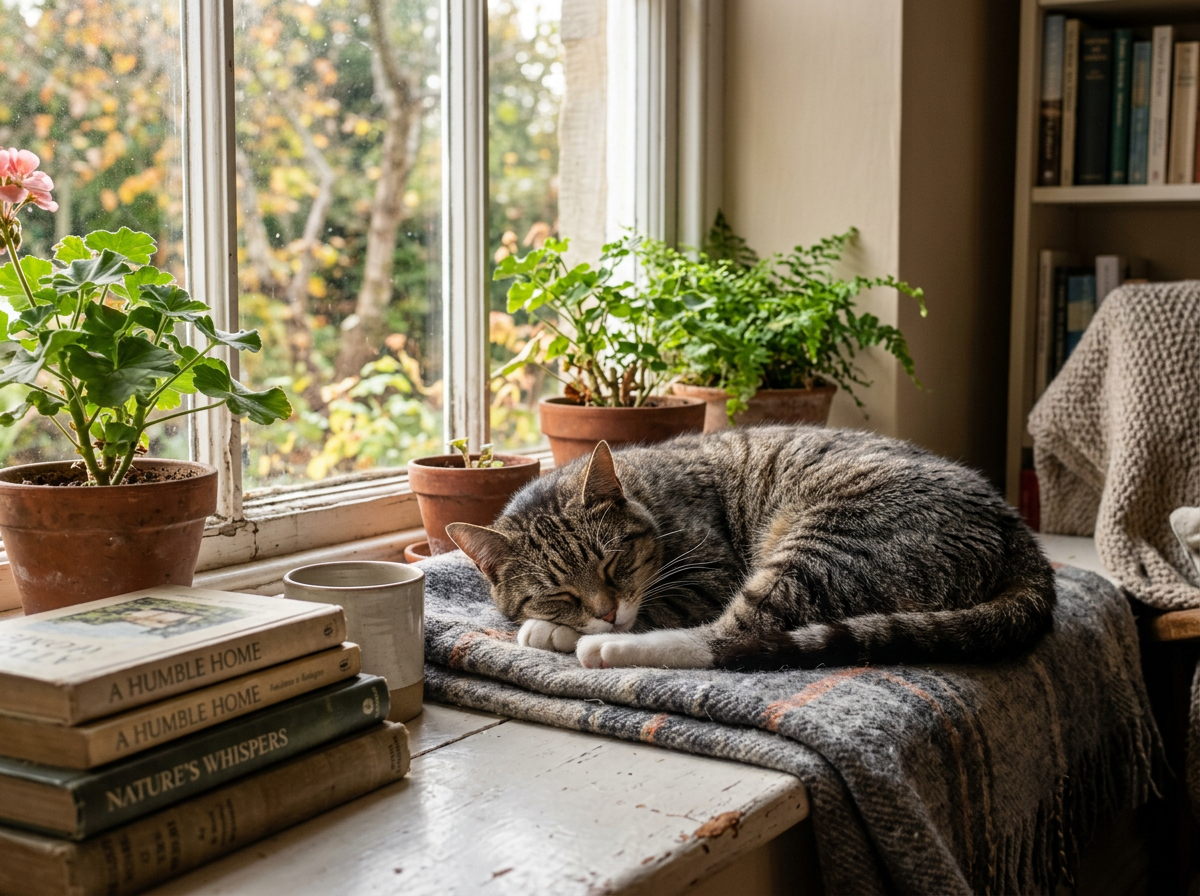
Importantly, context matters. A cat stretching after a nap, ears slightly rotated, eyes softly opened, and a slow tail swoop is a sign of resting contentment rather than readiness for contact. Conversely, a cat that freezes mid-step with a tense jaw, dilated pupils, and a stiff tail signals an urgent need for space. You can improve your interpretation by observing your own cat across different moments—mealtime, playtime, resting, and interactions with family members—and noting how signals shift with changes in environment, routine, or people present. This consistent attention helps you learn your cat’s unique language and reduces the chance of misreading a moment as either a threat or an invitation when neither is appropriate.
Putting these observations into practice means translating signals into gentle, respectful responses. If your cat shows signs of curiosity—forward ears, relaxed whiskers, and a slight tail lift—approach slowly, offer a reward such as a favorite treat, and invite gentle interaction at the cat’s pace. If your cat displays fear signals—flattened ears, tucked tail, crouched posture—give space, close the distance only if the cat initiates contact, and create a calm environment by reducing noise, bright lights, and sudden movements. When confidence signals are strong, such as a tail held high and a relaxed stance, you can engage more actively, provide enrichment opportunities like a wand toy or a puzzle feeder, and reinforce positive associations with your presence. The overarching goal is to align your response with your cat’s current state, allowing for a smoother, safer, and more harmonious relationship.
Over time, you’ll begin to recognize patterns tied to daily routines. For example, a cat may become more communicative during feeding times, during moments of play, or when seeking refuge after a stressful event, such as a loud thunderstorm or the arrival of visitors. Documenting these moments in your mind—or in a simple notebook—helps you tailor your approach to reduce stress, support positive experiences, and anticipate needs before they escalate into conflicts or fear. The end result is a home where the cat feels secure enough to explore, engage, and relax, and where you, as a caregiver, understand how to read more subtle signs that indicate what the cat wants or needs at any given moment.
tail language cats: Decoding Tail Signals to Understand Mood, Play, and Boundaries
Tail language is one of the most revealing components of feline communication. The tail acts like a dynamic flag that communicates mood, intention, and social intent in real time. Because cats use motion as a rich channel for expression, paying attention to where the tail is, how it is held, and how it moves can drastically improve your ability to respond appropriately in any given moment. A single tail gesture can be part of a broader cascade of signals, so interpret it alongside body posture, facial expressions, and vocalizations for a reliable read of what your cat is trying to convey.
A tail held high, upright with a slight bend at the tip, is a textbook sign of confidence and friendliness. This is the classic welcome signal that indicates the cat is open to interaction and comfortable in the current environment. When a cat approaches you with its tail upright, it’s usually a green light to engage with gentle petting or interactive play, provided the cat shows ongoing calm behavior. In multispecies or busy households, a high, buoyant tail can also reflect relief after a period of tension; it can be a cue that the cat has regained a sense of safety and is ready to rejoin social activities. In all cases, this tail position should be observed in tandem with overall body language, especially the rest of the spine and head, to avoid misreading a momentary moment of curiosity as a direct invitation to approach if the cat’s body is otherwise stiff or wary.
A tail held high and curved in a gentle arc, sometimes described as a “sash,” often accompanies a cat that is attentive and sociable. The cat’s body is relaxed, the ears are forward, and the cat’s eyes may indicate interest rather than alarm. In this moment, holding a toy or initiating a short game often yields a positive interaction and can build trust. It’s important to approach slowly and respect boundaries; even when the tail signals openness, a cat may decide to retreat at any moment. The key is to read the full body language and to back off if you sense hesitation or tension from any other cue.
Now consider a tail that is upright but stiff, or a tail that twitches or lags behind the body. A stiff, upright tail with a quick, small movement may indicate alertness and potential irritation. If the tail begins to lash or thump against the ground, it is usually a sign of rising irritation, and the cat may be reaching the edge of tolerance. In such moments, backing away, giving space, and allowing the cat to reclaim control of the pace of interaction can prevent escalation into a defensive bite or scratch. Thumping or whipping the tail can also be associated with intense focus, as when a cat is fixated on prey or a moving object during play. The context matters; a tail that lashes while a cat is playing with a toy may simply reflect excitement, whereas the same motion during handling by a person can signal discomfort or a desire to disengage.
A tail tucked tightly between the hind legs is a classic sign of fear or submission. It is one of the clearest indicators that the cat wants to avoid contact and retreat to a place of safety. When you observe this tail position, your immediate response should be to reduce the intensity of the interaction, give the cat a path to escape, and avoid forcing contact. It’s helpful to reinforce that the environment is predictable and safe by maintaining a calm environment, using soft voices, and avoiding sudden gestures that could amplify the cat’s fear. In a household with multiple cats, a tucked tail may also signal a power imbalance, and a careful observer can identify which cat is feeling overwhelmed and adjust the environment accordingly, such as by providing additional hiding places or separate resources to minimize competition or stress.
A puffed or fluffed tail signals a heightened state of alarm or aggression. In this moment, the cat is likely feeling threatened and may respond with a defensive hiss or a sharper bite if cornered. The appropriate response is to give the cat space, do not attempt to pick up or forcibly handle the animal, and create a calmer setting. Gradually reintroduce familiarity by ensuring the cat has access to a retreat, keeping doors closed to risky areas, and offering a reassuring presence without invading their space. In some cases, tail puffing occurs during a grooming or medical procedure, which can compound a cat’s distress. If you notice consistent tail puffing during routine care, consult with a veterinarian to explore whether pain, discomfort, or a medical condition is contributing to the fear response and to receive guidance on minimizing stress during future procedures.
In multi-cat households, tail language becomes even more nuanced as cats navigate social hierarchies and boundaries. A cat that approaches another cat with a relaxed tail or a soft, slow wag can indicate friendly intent, while a rapidly swishing tail near another cat may signal warning or irritation. Observing the other cat’s body language during these interactions helps you gauge whether a social exchange will be smooth or likely to escalate. If a conflict seems imminent, separate the animals and reintroduce them gradually using controlled, short sessions with positive reinforcement, ensuring that each cat has access to its own resources and safe spaces. Remember, tails register mood, but they do not act alone; they are part of a broader tapestry of signals that reveal the state of social belonging and comfort.
Finally, tail language is also a valuable indicator during human-cat interactions. If a cat approaches a hand with a tail held high and straight, the cat is signaling curiosity and a willingness to engage. If you respond with gentle, calm movement, the cat may invite more hands-on contact. If the tail begins to lower, wiggle, or flick while you are petting the cat, this indicates that the cat might be reassessing the interaction and could be about to disengage. By watching the tail in tandem with the overall body language, you can time your approach, adjust your touch, and ensure that your human behavior mirrors the cat’s comfort level, thereby creating positive experiences that strengthen trust over time.
stress signs in cats: Recognizing Early Cues of Distress and Proactive Ways to Help
Stress in cats is a common, yet complex, challenge that can arise from routine life changes, environmental shifts, health concerns, or social dynamics. While a cat may tolerate a fair amount of disruption, chronic or severe stress can lead to behavioral issues, illness, or a decline in quality of life. Recognizing early stress signals—before they escalate—enables timely interventions that restore balance and well-being. A practical approach to stress awareness involves observing changes in daily patterns, noting what precipitates a shift in mood or behavior, and implementing steps to create a more predictable, supportive environment for the cat. Early signs can be subtle, so a careful, ongoing capture of small changes can be more informative than one-off observations.
Hiding is one of the most common stress responses in cats. A cat may retreat to a quiet corner, behind furniture, or a secluded room, preferring darkness and distance from stimuli that feel overwhelming. Hiding is not necessarily a problem in itself, but when the cat actively avoids normal activities such as eating, drinking, or using the litter box, it becomes a red flag. A hidden cat may still be getting the basics of care, but the behavior signals that the cat needs a chance to recover from a stress trigger—whether it’s a loud party, a recent move, a new pet, or a guest staying in the home. Providing safe, accessible hiding spots, maintaining a consistent routine, and gradually reintroducing the cat to the stimuli in a controlled, reassuring manner are valuable steps in supporting a hidden cat back to comfort.
A change in appetite—whether a drop in eating, a complete loss of interest in treats, or a sudden increase as the cat attempts to cope with stress—should not be ignored. Appetite fluctuations can be a normal response to short-term stress, but persistent changes may indicate discomfort, pain, or an underlying medical issue. When stress is suspected as a contributor, pair dietary observations with other signs such as lethargy or changes in energy levels, and schedule a veterinary check to rule out physical causes. If a health check is necessary, discuss strategies for re-establishing a healthy appetite that align with your cat’s preferences and temperament, including timing of meals, the types of foods offered, and the potential introduction of temporary, soothing routines that reduce anxiety around meals.
Another signal is alterations in grooming patterns. Overgrooming—where the cat continually licks or chews certain areas—can lead to hair loss or skin irritation and is a classic sign of stress, boredom, or frustration. Conversely, under-grooming can indicate lethargy or illness. The key is consistency: monitor whether grooming changes align with specific triggers, such as the presence of a new person, a new pet, or changes in the household routine. If you notice a sudden uptick in grooming in a brief period, consider whether there have been any stressors that could be addressed, such as reducing loud noises, providing more enrichment, or creating more secluded rest areas. If the grooming behavior continues or leads to injuries, consult a veterinarian for guidance and potential behavior modification strategies.
Stress can manifest physically through changes in energy, digestion, and even respiratory rate. A cat under stress may move more slowly or appear hyper-alert, with tense muscles, raised fur along the spine, and shallow or rapid breathing depending on the intensity of the moment. In the worst cases, chronic stress can contribute to illness or exacerbate existing medical conditions. Therefore, it’s crucial to approach stress with a comprehensive plan that integrates veterinary care, environmental modification, and behavioral support. A veterinarian can help identify whether a behavioral issue is symptomatic of pain or illness and can offer advice on medications or behavioral strategies to ease the cat’s anxiety when appropriate. In many cases, improving the home environment, offering structured play, and ensuring predictable routines can have a profound impact on reducing stress levels over time.
Another important signal is changes in litter box habits. Stress-related litter box avoidance is a common issue that often indicates fear, conflict, or anxiety rather than a simple dislike of the box itself. If a normally reliable cat starts urinating or defecating outside the box, you should examine the box’s cleanliness, location, and number. A stressful environment can turn using the litter box into an additional challenge, especially if there are multiple cats or if the box is in a high-traffic area. Creating quiet, accessible spaces with clean litter zones, a sufficient number of boxes for households with multiple cats, and consistent cleaning routines are practical steps to reduce stress-related litter box issues. Should problems persist, a veterinary evaluation is essential to exclude urinary tract infections, blockages, or other medical concerns that could mimic symptoms of stress.
In addressing stress, practical strategies have a strong emphasis on prevention and gradual exposure. Begin by identifying triggers and then implementing small, controlled changes that increase the cat’s sense of safety rather than causing a sudden upheaval. For example, if a new family member or pet has joined the household, plan a slow, staged introduction: allow the newcomer to observe from a distance, provide separate resources at first, and gradually shorten the distance as the cat becomes more comfortable. Audio and scent cues can be helpful; using a familiar scent, such as a blanket or bed from the cat’s own space, in new areas can ease anxiety. Pheromone-based products designed for cats may provide a sense of calm in stressful environments, particularly during transitions or around events known to provoke stress. A calm, consistent routine is one of the strongest antidotes to stress, and a predictable schedule for meals, play, and rest reduces uncertainty, which in turn lowers anxiety levels.
When to seek professional help cannot be overlooked. If you observe persistent stress signs that do not improve with environmental adjustments, or if your cat’s behavior shifts abruptly toward aggression, self-harm (self-directed scratching, pawing at the mouth), or withdrawal that lasts for an extended period, consult with a veterinarian or a veterinary behaviorist. In some cases, stress-related behaviors may be part of a broader behavioral disorder that benefits from structured therapy, environmental modifications, and, when appropriate, behavioral training. Collaborating with a professional can provide a concrete plan tailored to your cat’s temperament and living situation, helping you achieve measurable improvements and peace of mind for everyone in the home.
Ultimately, decoding stress signs in cats is about proactive care and compassionate response. You can build a resilient home by anticipating potential stressors, maintaining a routine that offers both consistency and security, and providing opportunities for safe exploration and enrichment. When your cat feels secure and understood, it is more likely to engage in positive behaviors, to participate in shared activities, and to express relaxed contentment through body language, including a gentle purr, a soft gaze, and an easy, unforced smile of the body. The goal is not to eliminate stress entirely—some level of arousal is a natural part of a cat’s life—but to minimize unnecessary stress through thoughtful, informed, and patient care that honors your cat’s unique preferences and boundaries.
Creating a Safe and Stimulating Home Environment for Cats
A well-designed home environment is foundational to your cat’s ability to express natural behaviors, reduce stress, and maintain health and happiness. A stimulating, safe space supports exploration, play, rest, and independent retreat, which in turn enhances your ability to read signals accurately and respond with confidence. The core principle is balance: provide enough enrichment to keep your cat engaged without overwhelming the senses, ensure safety without stifling curiosity, and maintain a predictable routine that supports security while leaving room for gentle novelty that keeps life interesting.
Vertical space is a crucial element of feline comfort. Cats instinctively seek height to survey their territory, regulate their exposure to others, and enjoy a sense of control over their environment. A home with sturdy cat trees, wall-mounted shelves, and accessible perches along windows offers multiple resting spots and viewpoints. These elevated zones reduce stress by giving your cat a personal refuge from activity and noise, while also encouraging safe exploration away from human traffic or chaotic spaces. The placement of vertical spaces should consider traffic patterns and potential hazards, ensuring that cats can ascend and descend without obstacles and that their preferred routes remain unobstructed even when the household is busy.
Hiding places are not just luxuries; they are necessities for many cats. Quiet enclosures, covered beds, and partially enclosed cat condos provide a retreat where a cat can decompress, observe, and decide when to re-enter the social realm. Hiding spots are particularly important during transitions—whether introducing a new pet, moving to a new home, or hosting guests. Equally important is the availability of safe, stable, and familiar items in these spaces. A cherished blanket, a favorite toy, or a piece of clothing with your scent can help comfort a cat who feels unsettled. Providing multiple hiding options across different rooms gives a sense of control and choice, two core ingredients in reducing stress and promoting balanced behavior.
Environmental enrichment should be varied and ongoing, not one-off. Rotate toys to promote interest, incorporate puzzle feeders to stimulate problem-solving during mealtime, and schedule daily play sessions that mimic natural predatory behaviors. Interactive toys that encourage stalking, pouncing, and chasing align with a cat’s instinctual drive and yield positive, energy-expenditure-rich experiences. It’s wise to incorporate a mix of play types: short, high-energy bursts and longer, mentally engaging activities that require focus and problem-solving. If a cat shows preference for certain stimuli—feather wands, laser pointers, or treat-dispensing toys—prioritize those options while ensuring safety and supervision during use. A well-rounded enrichment plan also includes environmental variety such as window perches for sunlit napping, scratching posts to protect furniture, and scratching pads that encourage healthy Mars of claw maintenance.
Food and water should be thoughtfully integrated into daily life as both basic needs and enrichment opportunities. Some cats thrive on scheduled meals, while others enjoy feeding puzzles that slow down fast eaters and engage their mental faculties. A consistent feeding schedule helps many cats anticipate routines, reducing anxiety around mealtimes. Fresh water should be available in multiple locations, ideally in clean bowls that are changed regularly. Water fountains can be appealing to cats who prefer moving water, while some cats prefer the silence of still water. The key is to observe your cat’s preferences and adapt while maintaining hygiene and safety. Additionally, consider scent-based enrichment by introducing a familiar, comforting scent in certain areas or using a mild, cat-safe diffuser during quiet parts of the day to establish a calm sensory background.
Safety is an ongoing concern in a cat’s home environment. Cords, small objects, and toxic plants or foods must be out of reach. Ensure that medications and cleaning supplies are stored securely, and that windows and balcony doors are properly screened. A safe home also means acknowledging the cat’s boundaries: never force interaction, never punish or yell if the cat avoids you, and avoid strong scents or loud noises that could be startling. A calm, predictable environment supports confidence and reduces the frequency of stress-related behaviors. In practice, this means planning ahead for events that can disrupt routine—guests, changes in lighting, or travel—by creating temporary safety measures, maintaining a quiet space the cat can retreat to, and gradually acclimating the cat to the new situation.
Social dynamics deserve careful management as well. If you share your home with other pets, provide distinct, consistent resources for each animal to prevent competition and reduce stress. Separate feeding areas, litter boxes, water sources, and resting zones can drastically minimize friction and help each animal maintain a sense of personal territory. When introducing a new pet, a staged approach over days or weeks—starting with scent swaps, then visual introductions through barriers, and finally controlled face-to-face interactions—often yields the most successful outcomes. Patience, positive reinforcement, and time are essential components of a smooth transition, and professional guidance can be invaluable if tensions persist or escalations occur.
Finally, communication with the people in your household matters as well. Consistency in how family members interact with the cat, the timing of activities, and the management of stressors helps create a stable emotional climate. Even simple routines—such as a shared evening play session, a consistent bedtime, or a predictable approach to visitors—can have a meaningful impact on the cat’s sense of security. The overall aim is to build an environment in which the cat feels empowered to explore, rest, and engage on its own terms, while the human family members learn to read, respect, and respond to the cat’s signals with patience and empathy.
Communication Tips: How to Respond to Your Cat's Cues Without Frustration
Effective communication with a cat is less about dictating behavior and more about creating a shared space in which signals are understood and respected. The best approach centers on patience, positive reinforcement, and an awareness that cats, like people, respond best when they feel safe, valued, and in control of their own choices. When you notice a cue, consider what it means in the immediate context and how your response can reinforce a bond rather than trigger a defensive reaction. If your cat is inviting interaction with a softly curled tail, an attentive gaze, and a gradual approach, you can respond with a calm voice, slow movements, and a gentle touch that the cat can accept at its own pace. If, on the other hand, the cat displays fear signals—flattened ears, tucked tail, crouched posture—your response should be to step back, allow the cat to retreat, and avoid directly pursuing contact or forcing contact in that moment.
Responding to a cat’s cues also involves understanding the appropriate times to engage and the times to give space. Young kittens often crave more direct interaction and rapid feedback, while older cats may value quiet companionship and occasional brief bouts of play. Recognizing these life-stage differences helps tailor your approach. For example, a playful kitten may enjoy interactive games that engage hunting instincts, while a senior cat may prefer calmer, shorter play sessions, gentle petting, and easy-access resting spots. In both cases, you should observe the cat’s responses to different forms of interaction and adjust accordingly. The rule of thumb is to initiate contact only when the cat appears receptive, to progress at the animal’s pace, and to terminate contact if discomfort arises, providing a soft, reassuring retreat so the cat can regain control of the moment.
Positive reinforcement is a powerful tool for guiding behavior in a humane, respectful way. Offer rewards for behaviors you want to encourage, such as approaching you for interaction, using a litter box, or using a scratching post instead of furniture. Rewards can be treats, gentle praise, or the opportunity for a short play session. The key is to deliver rewards immediately after the desired behavior so the cat forms a clear association. Consistency is essential; mixed signals—praising one moment and scolding the next—confuse the cat and undermine trust. A stable approach that combines predictability with temptation to engage helps your cat learn what to expect and fosters a cooperative, affectionate relationship over time.
Boundaries should be respected as part of a healthy two-way relationship. If your cat signals disinterest or discomfort, accept the boundary gracefully and adjust your behavior. This might involve offering a longer window between interactions, modifying the environment to accommodate a shy cat, or creating a dedicated space where the cat can retreat without anxiety. Respecting boundaries also means avoiding punitive reactions for avoidance. Punishment often intensifies fear, reduces trust, and makes future interactions more challenging. Instead, focus on redirecting attention to safe, enjoyable activities and maintaining an environment in which your cat can choose when and how to engage with you.
In moments of miscommunication, revert to the basics: slow down, observe, and resume contact only when the cat shows readiness. If you notice persistent misreads—such as repeatedly approaching a clearly stressed cat with forceful handling—consider seeking guidance from a veterinarian or animal behaviorist who can help interpret signals more accurately and design a tailored plan for your household. The goal is not perfection but ongoing improvement: a gradual refinement of your ability to read cues, respond sensitively, and cultivate a relationship built on trust, safety, and genuine companionship.
Finally, keep in mind that a cat’s cues are not private conversations but mutual signals within a shared living space. Your responsiveness communicates care and respect, and your consistency demonstrates reliability. When your actions align with your cat’s signals, you create a calmer home where both species can thrive. The more you practice, the more natural it becomes to anticipate needs, read nuanced cues, and respond with a balanced mix of gentle firmness and warm encouragement. Over time, these small, thoughtful moves magnify into a powerful bond that enhances not only the cat’s welfare but the overall harmony of your home life.
In summary, decoding a cat’s behavior at home hinges on a combination of attentive observation, contextual interpretation, and compassionate response. By understanding feline body language, tail language, and stress signs, you gain a practical toolkit for interpreting cues that guide safe interactions, strengthen bonds, and support a cat’s well-being. The home becomes a stage for shared life, where curiosity, trust, and affection flourish because both you and your cat speak a language built on respect, patience, and mutual care. With time, you’ll find that every gentle gesture—an approving nod from a relaxed cat, a forgiving purr after a difficult moment, a victorious stomp of a tail during play—contributes to a richer understanding of your feline companion and a more connected life together.


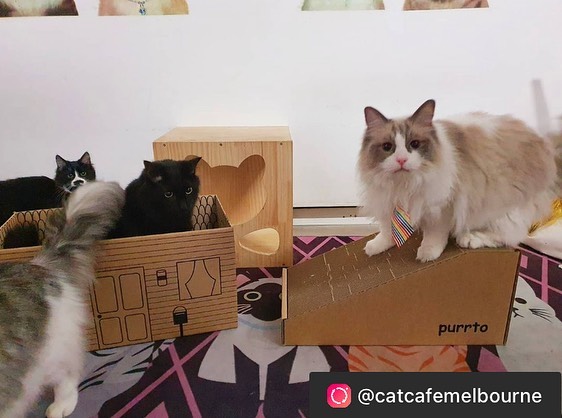
Have you ever wondered why cats are so obsessed with cardboard boxes?
The major reason cats like cardboard are that it reduces their stress levels.
Cardboard for cats acts as a great insulator.