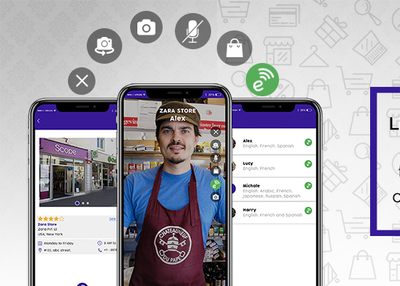



E-commerce is constantly evolving, and Shopify merchants are exploring innovative ways to engage customers. Among the newest trends is live streaming shopping, where sellers showcase products in real time, interact with viewers, and enable instant purchases. This raises an important question: can live streaming actually replace traditional online shopping, or is it just an exciting supplement?
The Emergence of Live Shopping: Live shopping platform has become a major force in online retail, especially in Asia, where platforms like Taobao and TikTok Live have redefined the shopping experience. On Shopify, live streaming enables merchants to demonstrate products live, answer questions, and connect with potential buyers in ways that static product pages cannot. This real-time engagement creates a more immersive experience, helping customers understand products better and feel more confident in their buying decisions.
Engaging and Interactive Experience: A major advantage of Shopify live streaming is the interactive element. Customers can comment, ask questions, and request demonstrations, which mirrors the in-store experience. This interaction helps build trust, provides instant clarification, and makes shopping more enjoyable. Furthermore, live streaming encourages a sense of community, allowing viewers to feel part of an exclusive event rather than just browsing a website.
Driving Impulse Purchases: Live shopping also encourages urgency, which traditional online shopping often lacks. Features like limited-time offers, flash deals, and live-only discounts can prompt instant buying decisions. Shopify merchants report that live streams often lead to higher engagement, longer watch times, and increased conversion rates. This excitement is hard to replicate on conventional e-commerce pages, where customers can easily get distracted or delay purchases.
Challenges and Limitations:Despite its benefits, live streaming isn’t a universal solution. Some products—especially high-value or highly technical items—require careful research, reviews, or comparison shopping, which live streams alone may not provide. Running live sessions also demands preparation, technical setup, and skilled hosts who can engage audiences effectively. For smaller businesses, these requirements can pose a challenge, limiting the frequency or consistency of live events.
A Complementary Approach: Rather than replacing traditional online shopping, Shopify live streaming works best as a complementary strategy. Live sessions can spark interest, demonstrate product value, and engage audiences, while traditional online stores provide detailed information, easy navigation, and convenience. By integrating both, merchants can create a seamless customer journey that caters to different shopping preferences.
The Future of E-Commerce: The future of online shopping is likely hybrid. Shopify live streaming adds energy, personalization, and immediacy to the shopping experience, while traditional e-commerce ensures accessibility and depth. Brands that embrace both approaches can reach a broader audience, combining engagement with convenience to deliver a superior shopping journey.
Conclusion
Live streams on Shopify is revolutionizing how brands connect with consumers. While it may not entirely replace traditional online shopping, it enhances the experience by offering real-time interaction, community engagement, and instant purchasing opportunities. By integrating live streams with conventional online stores, merchants can maximize sales, build stronger relationships with customers, and stay ahead in the competitive world of e-commerce.