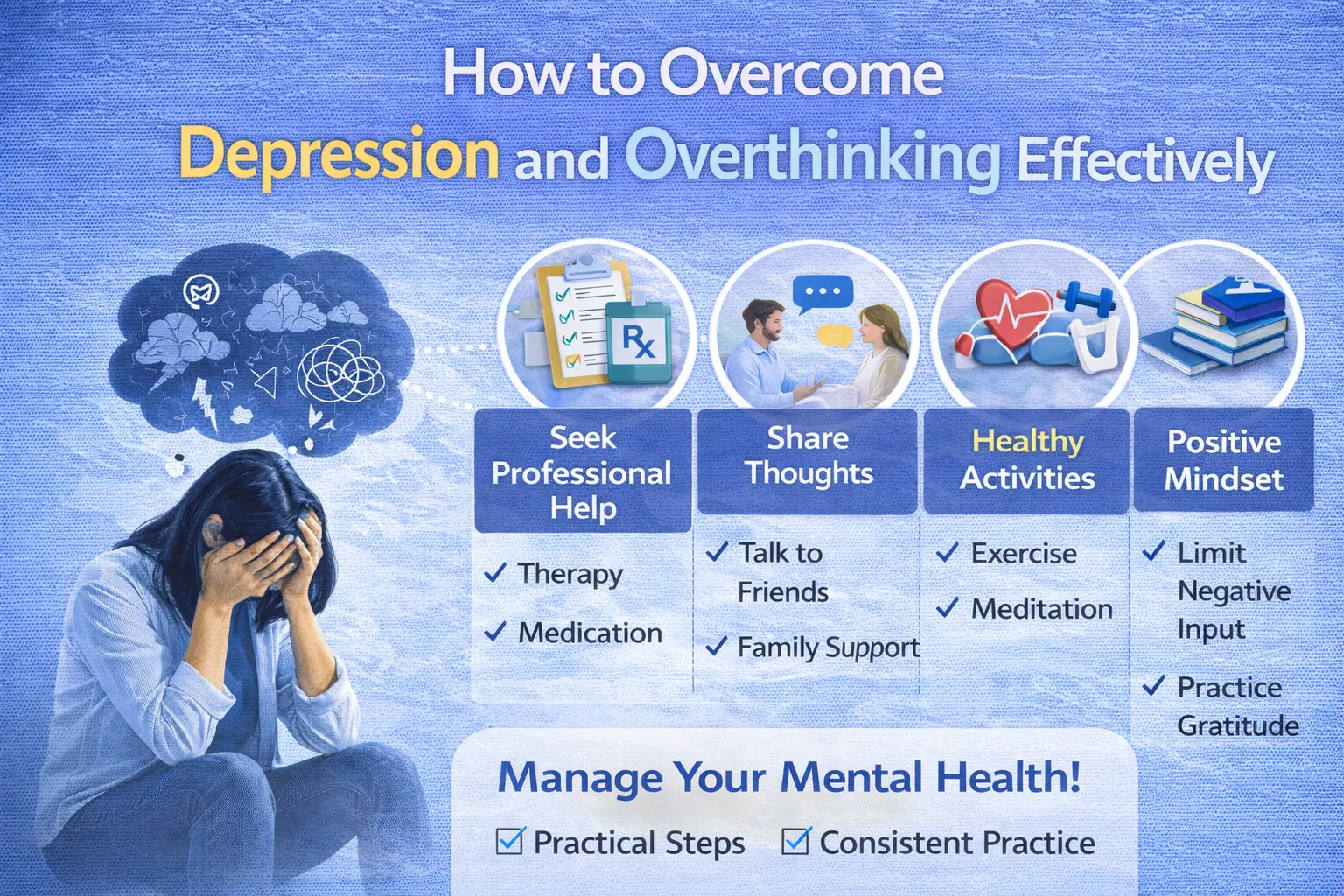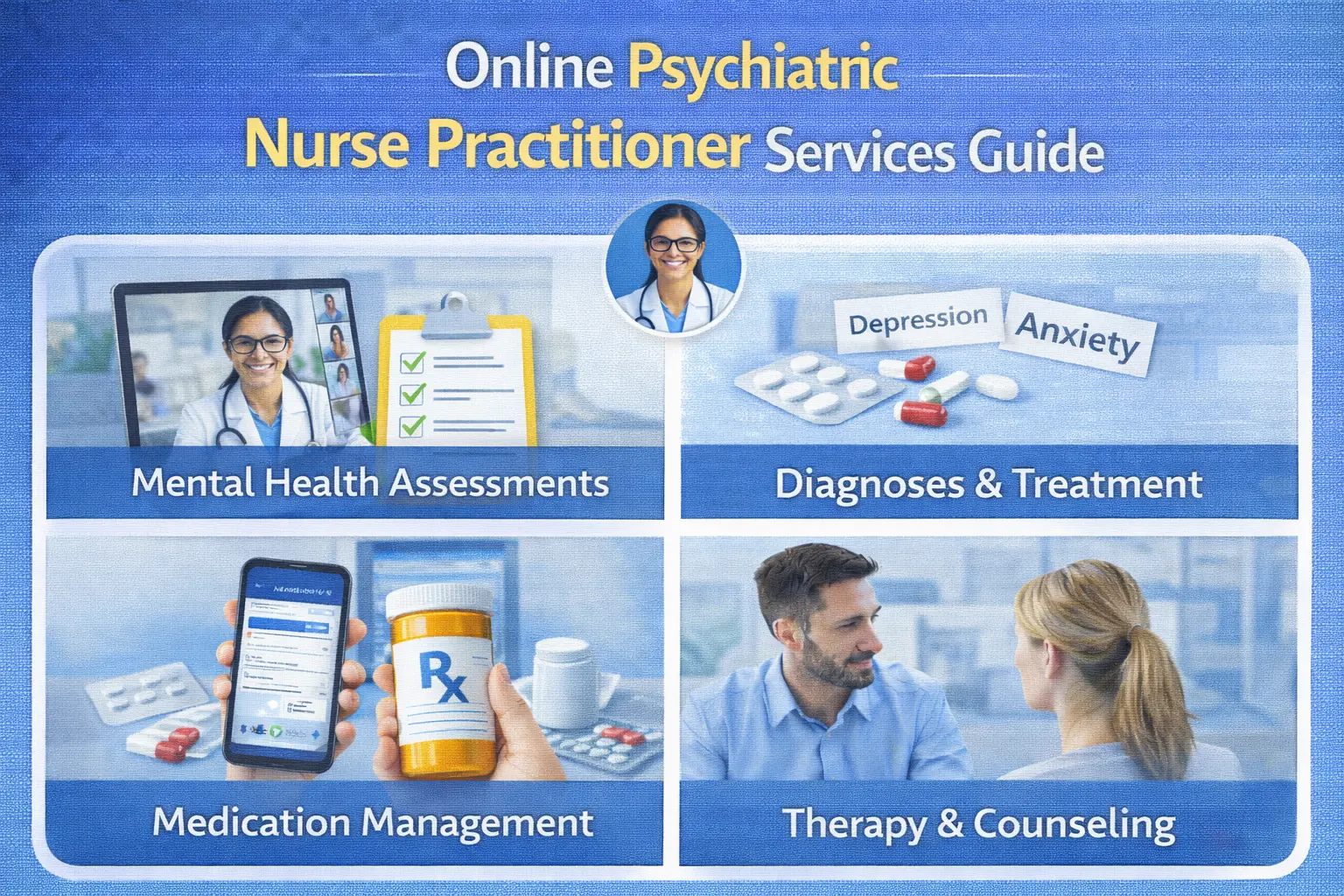
Starting Major Depressive Disorder Treatment can feel overwhelming, especially if it’s your first experience with therapy or medication. Understanding the process, what to anticipate, and how treatment progresses can help reduce anxiety and foster a proactive mindset. While each treatment plan is personalized, there are common stages and experiences that most individuals encounter. This guide outlines what you can realistically expect as you embark on the path toward recovery.
Initial Assessment and Intake
The first step in treatment involves a comprehensive assessment. Clinicians will evaluate your symptoms, medical and mental health history, lifestyle factors, and social support. Diagnostic tools, structured interviews, and questionnaires are commonly used to confirm a Major Depressive Disorder diagnosis and assess severity.
During this stage, it’s important to be honest and thorough. Sharing your experiences openly allows your treatment team to create a plan that is tailored to your unique needs. This foundational step sets the tone for all subsequent care and ensures a targeted, effective approach.
Collaborative Goal Setting
Once the initial assessment is complete, you and your care team will set clear, achievable goals. Goals may focus on symptom reduction, improving daily functioning, enhancing relationships, or preventing relapse.
Active participation in goal setting helps you feel empowered and invested in your recovery. Goals are regularly reviewed and adjusted based on progress, ensuring that your treatment remains aligned with your evolving needs and priorities.
Therapy Sessions
Therapy is a cornerstone of Major Depressive Disorder Treatment. Evidence-based approaches such as Cognitive Behavioural Therapy (CBT), Interpersonal Therapy (IPT), and Mindfulness-Based Cognitive Therapy (MBCT) are often employed.
CBT helps identify and change negative thought patterns.
IPT addresses interpersonal challenges and social stressors.
MBCT focuses on mindfulness practices to prevent relapse and manage rumination.
During therapy, expect a combination of guided discussion, exercises, homework assignments, and skill-building strategies. Sessions provide a safe environment to explore emotions, practice coping mechanisms, and gain insight into behavioural patterns.
Medication Management
Many treatment plans incorporate antidepressant medication to address biochemical imbalances associated with depression. The type and dosage of medication are tailored to your specific needs and monitored closely by a psychiatrist or prescribing provider.
Expect follow-up appointments to evaluate how you respond to medication, discuss potential side effects, and make necessary adjustments. The combination of therapy and medication often produces the most effective outcomes, as therapy addresses behavioural and cognitive aspects while medication supports mood stabilization.
Lifestyle and Self-Care Integration
A comprehensive treatment plan often includes lifestyle recommendations that enhance recovery. These may include:
Establishing a consistent sleep schedule
Engaging in regular physical activity
Practicing mindfulness or relaxation exercises
Maintaining a balanced diet
Developing supportive routines
Incorporating these habits alongside professional treatment reinforces progress and supports long-term well-being.
Support Systems and Community Resources
Recovery is rarely a solo endeavor. Support from friends, family, and community programs plays a vital role in sustaining treatment. Leveraging services like NY Depression Support Services can provide additional guidance, peer connection, and educational resources.
Being part of a support network helps reduce isolation, encourages accountability, and enhances emotional resilience, making it easier to implement coping strategies and adhere to your treatment plan.
Monitoring and Progress Evaluation
Treatment is an ongoing process, and progress is closely monitored. Clinicians may use self-report scales, structured questionnaires, or symptom tracking apps to assess improvement and identify potential setbacks.
Expect regular check-ins where your therapist or psychiatrist evaluates your mood, functioning, and overall progress. These sessions are also opportunities to discuss concerns, adjust therapy strategies, and refine medication plans.
Relapse Prevention and Long-Term Planning
Even after significant improvement, Major Depressive Disorder can recur. Treatment plans often include relapse prevention strategies, helping you recognize early warning signs and respond proactively.
Strategies may include continued therapy, mindfulness practices, structured routines, ongoing social support, and lifestyle maintenance. Building these practices into your daily life ensures that recovery is sustainable and reduces the risk of future depressive episodes.
Technology and Telehealth Integration
Telehealth has become an increasingly important aspect of treatment. Platforms such as Serenity Telehealth allow patients to access therapy sessions, medication management, and follow-up care from home.
Telehealth provides flexibility, removes barriers related to travel or mobility, and ensures consistent engagement with treatment. For many individuals, this accessibility enhances adherence and promotes better long-term outcomes.
Collaboration Across Care Teams
Effective treatment involves collaboration among therapists, psychiatrists, primary care providers, and sometimes social workers. This multidisciplinary approach ensures that therapy, medication, and lifestyle interventions are coordinated, creating a comprehensive plan tailored to the patient’s needs.
Organizations like Serenity Telehealth support clinicians by streamlining administrative tasks, allowing providers to dedicate more time to patient care and personalized treatment.
Patient Involvement and Education
Understanding the rationale behind your treatment fosters engagement and empowerment. Clinicians typically educate patients about therapy approaches, medication benefits, potential side effects, and coping strategies.
Being an active participant allows you to make informed decisions, communicate concerns effectively, and contribute to your own recovery. Knowledge and self-advocacy are powerful tools in managing depression and sustaining long-term improvement.
What Success Looks Like
Recovery is unique to each individual, but common indicators of progress include:
Reduced intensity and frequency of depressive episodes
Improved ability to manage daily responsibilities
Enhanced emotional regulation and coping skills
Strengthened social connections and support networks
Success doesn’t mean a complete absence of symptoms it’s about regaining control, building resilience, and improving quality of life.
Final Thoughts
Entering Major Depressive Disorder Treatment can feel daunting, but understanding what to expect helps reduce uncertainty and builds confidence. From initial assessment to therapy, medication, lifestyle integration, and community support, treatment is structured to address every aspect of your mental health.
For those seeking accessible, evidence-based care, Serenity Telehealth offers professional guidance, flexible appointments, and a patient-cantered approach to help individuals navigate the path to recovery effectively.