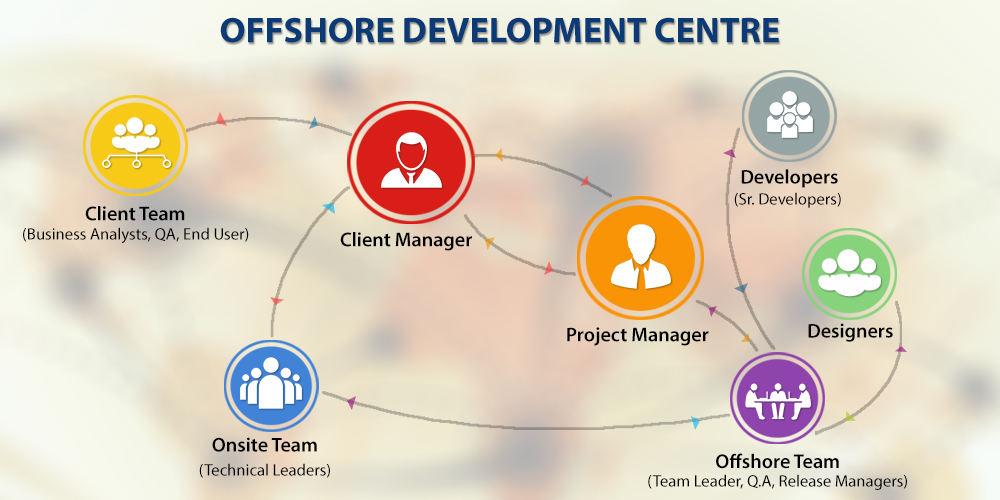
In today’s globalized business landscape, companies are constantly seeking ways to improve efficiency, reduce operational costs, and access specialized talent pools. One of the most strategic ways to achieve this is by setting up an offshore delivery center. This model enables organizations to establish a dedicated team or facility in another country, offering a seamless extension of their in-house operations.
In this guide, we’ll walk through the step-by-step process of setting up an offshore delivery center, covering everything from strategic planning and legal requirements to infrastructure, hiring, and operational management.
What Is an Offshore Delivery Center?
An offshore delivery center (ODC) is a dedicated unit established in a foreign country to support an organization’s business functions—such as software development, IT operations, customer service, or marketing. Unlike outsourcing, where work is handed over to a third-party vendor, an ODC functions as an extension of your company, maintaining alignment with your culture, processes, and standards.
Companies such as Google, Microsoft, and Amazon have long used offshore delivery models to optimize costs while ensuring global coverage. Today, even mid-sized firms and startups are adopting this approach to gain competitive advantages.
Why Set Up an Offshore Delivery Center?
Before diving into the setup process, it’s essential to understand why businesses invest in offshore operations.
1. Cost Efficiency
Labor and operational costs are significantly lower in countries like India, Ukraine, the Philippines, or Poland compared to Western markets. An ODC allows you to leverage top-tier talent at a fraction of the cost.
2. Access to Global Talent
Offshore centers give you access to a vast pool of skilled professionals—from software engineers to digital marketers—who may be scarce or expensive in your home country.
3. Operational Scalability
An offshore delivery center can quickly scale up or down depending on project needs, enabling flexible growth without the challenges of hiring locally.
4. 24/7 Productivity
By distributing teams across different time zones, your business can achieve round-the-clock productivity and faster project turnaround times.
5. Focus on Core Business
With operational and technical work handled offshore, your in-house team can focus on innovation, strategy, and customer engagement.
Step-by-Step Process for Setting Up an Offshore Delivery Center
Let’s now break down the entire process into clear, actionable steps.
Step 1: Define Objectives and Scope
Every successful ODC begins with a clear understanding of why you need it and what it will achieve.
Key Actions:
Identify which business functions to offshore (e.g., software development, QA, data analysis, support).
Define your long-term goals — cost reduction, access to talent, innovation, or global expansion.
Estimate your required team size, skill set, and budget.
Establish success metrics such as productivity, cost savings, or project delivery speed.
Tip: Be specific about the scope. The more precise your objectives, the easier it will be to design the right operational model.
Step 2: Choose the Right Offshore Location
Selecting the right location can make or break your offshore initiative. Each country offers unique advantages, from cost benefits to language proficiency and technical expertise.
Factors to Consider:
Talent Availability: Does the country have a strong pool of professionals in your required field?
Cost of Operations: Assess salaries, real estate, and infrastructure costs.
Cultural Compatibility: Shared work ethics and communication styles can influence collaboration.
Time Zone Difference: Choose a region that aligns with or complements your working hours.
Political and Economic Stability: Avoid regions with high volatility or complex legal systems.
Language Proficiency: English-speaking countries or regions are often preferred for ease of communication.
Popular Offshore Destinations:
India: Known for software development, IT, and customer service.
Ukraine & Poland: Renowned for engineering and product development.
Philippines: Strong in BPO, customer support, and creative services.
Vietnam: Emerging hub for tech and manufacturing.
Step 3: Decide on the Engagement Model
There are multiple ways to structure your offshore delivery center, depending on your level of control and investment appetite.
1. Build-Operate-Transfer (BOT) Model
A local partner sets up and manages the center for you initially, then transfers ownership after it becomes fully functional.
Pros: Fast setup, reduced risk, expert local management.
Cons: Requires transition planning to ensure smooth ownership transfer.
2. Captive Model
You directly establish and manage your own offshore center, hiring local staff and maintaining full control.
Pros: Maximum control, direct culture alignment.
Cons: High initial investment and management complexity.
3. Managed or Hybrid Model
A third-party provider manages operations while you retain control over strategy, project management, and core functions.
Pros: Balanced control, reduced administrative burden.
Cons: Slightly higher ongoing costs due to management fees.
Step 4: Handle Legal and Compliance Matters
Setting up an offshore delivery center requires careful handling of legal and regulatory requirements in the host country.
Legal Aspects to Cover:
Business Registration: Choose an appropriate legal structure (subsidiary, branch, or partnership).
Tax Compliance: Understand corporate tax, transfer pricing, and double taxation treaties.
Employment Laws: Review labor regulations, benefits, and employee rights.
Intellectual Property (IP) Protection: Ensure all contracts clearly define IP ownership.
Data Security and Privacy: Comply with global standards such as GDPR, especially for data-sensitive industries.
Contracts and NDAs: Draft robust agreements to protect your business interests.
Engaging local legal counsel or partnering with an experienced advisory firm is highly recommended.
Step 5: Set Up Infrastructure and Technology
Once legal groundwork is complete, the next step is to build your operational base.
Infrastructure Essentials:
Office Space: Choose between co-working spaces, leased offices, or custom-built facilities.
IT and Communication Systems: Ensure reliable internet connectivity, cloud systems, and communication tools (Slack, Jira, MS Teams, etc.).
Hardware and Software: Procure the necessary devices and licenses based on your team’s functions.
Security Measures: Implement access controls, VPNs, and cybersecurity policies.
Facilities Management: Plan utilities, maintenance, and health & safety compliance.
A well-equipped ODC ensures productivity, data protection, and smooth integration with your headquarters.
Step 6: Recruit and Build the Right Team
Your team is the foundation of your offshore delivery center. Hiring the right talent requires a strategic approach.
Steps to Build Your Team:
Define Roles and Skill Sets: Align them with your offshore objectives.
Use Local Recruitment Channels: Leverage job portals, recruitment agencies, or local universities.
Create an Attractive Employer Brand: Highlight your global culture, benefits, and career growth opportunities.
Conduct Cultural Fit Interviews: Assess not just skills but also alignment with your company values.
Offer Competitive Packages: Consider local market rates and perks that attract top talent.
Tip: Start with a small core team and scale gradually as operations stabilize.
Step 7: Establish Strong Communication and Governance
Communication gaps are among the biggest challenges in offshore collaboration. Establishing a strong governance and communication framework ensures alignment and accountability.
Best Practices:
Define Reporting Structures: Clear hierarchy and escalation paths.
Use Collaboration Tools: Platforms like Slack, Asana, Trello, or Jira for task management.
Schedule Regular Check-Ins: Weekly status calls, monthly performance reviews, and quarterly strategy meetings.
Cultural Integration: Encourage knowledge-sharing, cross-visits, and team-building activities.
Performance Metrics: Track KPIs such as delivery time, quality, and resource utilization.
Strong governance turns your ODC into a well-synchronized extension of your main office.
Step 8: Integrate Company Culture and Values
A successful offshore delivery center should not feel like a separate entity but an integral part of your organization.
How to Build Cultural Alignment:
Onboarding Programs: Introduce company mission, vision, and values.
Shared Celebrations: Celebrate company milestones, holidays, and birthdays across teams.
Consistent Branding: Use the same email signatures, templates, and internal communication tone.
Leadership Visits: Encourage leadership teams to visit offshore sites and engage directly.
Feedback Loops: Foster a culture of open communication and continuous improvement.
Cultural consistency enhances motivation, reduces turnover, and builds long-term loyalty.
Step 9: Monitor, Optimize, and Scale
Once the center is operational, continuous optimization ensures maximum ROI and long-term success.
Monitoring Areas:
Performance: Measure against KPIs (delivery timelines, cost savings, quality).
Employee Satisfaction: Conduct periodic surveys to understand engagement levels.
Process Efficiency: Identify bottlenecks and implement automation where possible.
Cost Control: Track operating expenses and identify optimization opportunities.
Scaling Your Offshore Delivery Center:
Gradually expand the team as projects grow.
Diversify functions — add QA, DevOps, or analytics departments.
Consider setting up additional ODCs in other regions for multi-location resilience.
Step 10: Leverage Automation and Innovation
Modern offshore centers are no longer just cost-saving hubs—they are innovation engines.
Ways to Innovate:
Adopt Agile and DevOps practices for faster delivery.
Integrate AI and automation tools to streamline repetitive tasks.
Invest in employee training to keep skills up to date.
Encourage innovation programs such as internal hackathons or idea challenges.
Building a culture of innovation ensures your ODC delivers not just efficiency but also strategic value.
Common Challenges and How to Overcome Them
While the benefits of an offshore setup are immense, it’s essential to be aware of potential challenges and proactively address them.
Challenge Solution
Communication barriers Invest in collaboration tools, regular syncs, and cross-cultural training
Quality control Implement strict QA processes and performance tracking
Employee retention Offer career growth, learning programs, and local leadership roles
Legal and compliance issues Partner with reliable local legal and HR experts
Time zone differences Use overlapping work hours and asynchronous communication
By anticipating challenges early, you can ensure smoother operations and stronger performance outcomes.
Final Thoughts
Setting up an offshore delivery center is a strategic move that can transform your business—reducing costs, boosting productivity, and expanding your global reach. However, success depends on meticulous planning, strong leadership, and consistent alignment between offshore and onshore teams.
By following this step-by-step process, you can create a high-performing offshore unit that operates as an extension of your organization’s DNA—driving innovation, agility, and long-term growth.
Whether you’re a startup looking for development support or an enterprise aiming to optimize global operations, an offshore delivery center offers the flexibility and scalability you need to thrive in a competitive market.