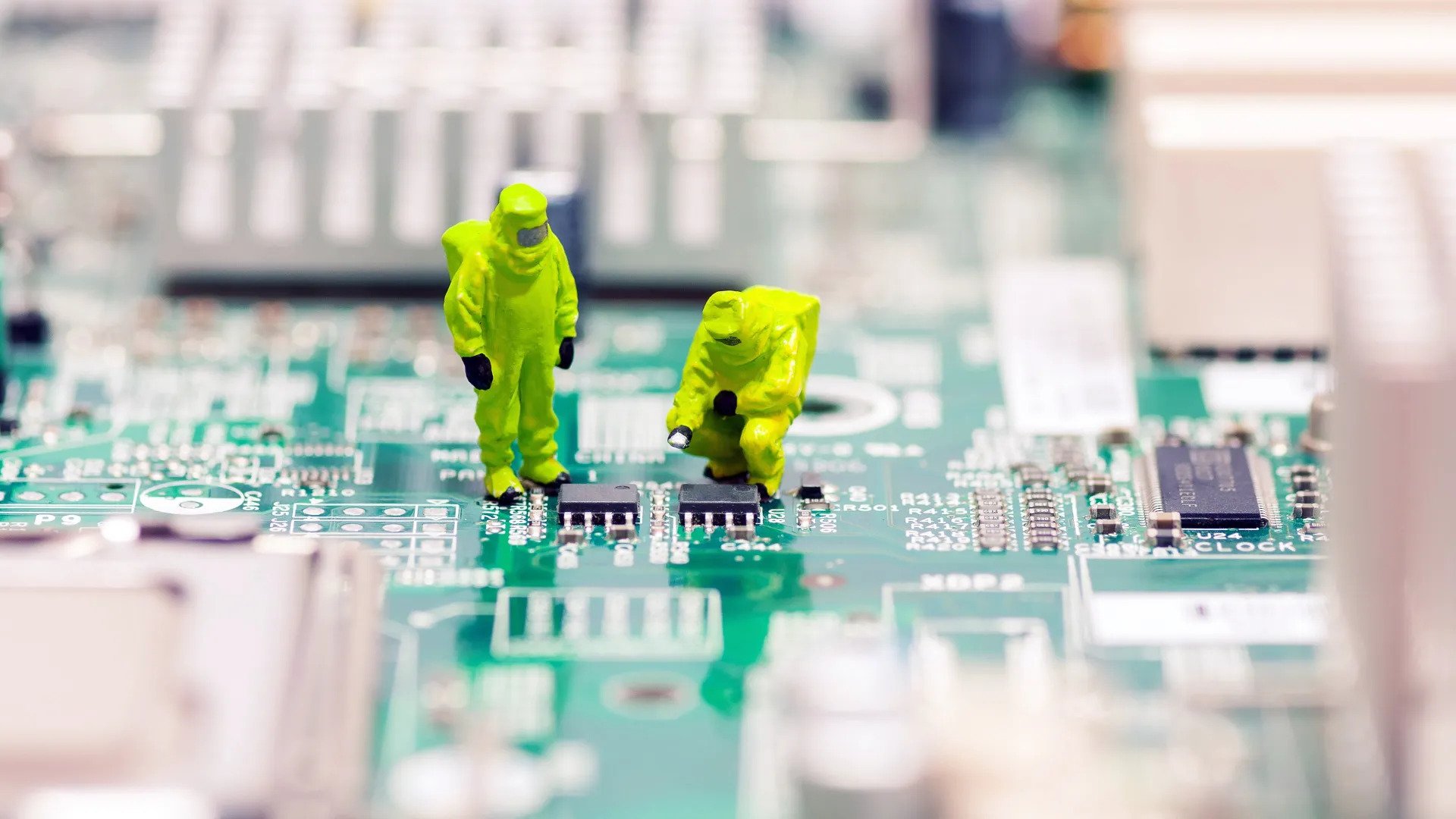
In the ever-evolving world of electronics, performance, reliability, and innovation all begin at the design stage. Every modern device — from smartphones and autonomous vehicles to aerospace systems — relies on robust hardware, precise PCB layouts, and optimized IC packaging. These foundational elements determine not only how efficiently a product performs but also how long it endures in real-world applications.
Understanding the Hardware Foundation
Hardware design is the bedrock of any electronic system. It transforms conceptual ideas into tangible components that power innovation. Engineers must balance factors such as electrical performance, mechanical stability, and manufacturability to create circuits that meet demanding specifications.
A well-engineered hardware platform ensures seamless communication between components and supports scalability for future upgrades. From selecting the right microcontrollers and sensors to ensuring proper power management, hardware decisions directly influence performance, cost, and longevity.
In today’s fast-paced market, design cycles are shorter, yet expectations are higher. Achieving efficiency in hardware design means integrating simulation, testing, and validation early in the process to minimize errors and optimize design outcomes.
The Art and Science of PCB Layout
The printed circuit board (PCB) serves as the nervous system of any electronic device. It interconnects the hardware components and ensures that signals flow precisely as intended. PCB layout design requires both technical precision and creative problem-solving to achieve signal integrity, thermal balance, and mechanical reliability.
Every trace, via, and component placement affects performance. For high-speed and high-density designs, engineers must consider factors like impedance control, crosstalk minimization, and electromagnetic compatibility (EMC). A slight misalignment in layout could lead to signal degradation or product malfunction.
Modern PCB design tools allow engineers to visualize and simulate real-world conditions before manufacturing. This approach helps in identifying potential bottlenecks and ensuring compliance with regulatory standards. Whether it’s a single-layer board for consumer electronics or a multi-layer, high-density interconnect (HDI) PCB for advanced systems, excellence in layout design is crucial to achieving performance and reliability.
IC Packaging: Where Miniaturization Meets Performance
Integrated circuit (IC) packaging has evolved far beyond its traditional role as a protective casing. Today, it’s a critical factor in enhancing performance, thermal management, and electrical connectivity. As components shrink and functionality grows, packaging innovation enables smaller, faster, and more power-efficient devices.
Techniques such as 3D packaging, system-in-package (SiP), and flip-chip designs have revolutionized how electronic systems are built. These approaches help in reducing signal latency, improving power distribution, and optimizing space utilization. Engineers now view IC packaging as an extension of circuit design, not merely a post-design consideration.
The right packaging choice also plays a vital role in heat dissipation — one of the most significant challenges in high-performance electronics. Efficient thermal management ensures longevity and prevents performance degradation under demanding conditions.
Achieving Seamless Integration
True excellence in electronic design comes from the synergy between hardware engineering, PCB layout, and IC packaging. Each discipline informs and enhances the other, resulting in a cohesive, high-performance product. Collaborative workflows, cross-domain simulation, and iterative prototyping help teams eliminate design silos and improve efficiency.
When these processes are harmonized, the outcome is a product that not only meets specifications but also performs reliably across its intended lifecycle. Advanced design practices also promote sustainability by reducing waste, optimizing material usage, and enabling easier upgrades or repairs.
Driving Innovation Through Expertise
Innovation in electronics is driven by precision, foresight, and deep domain expertise. Engineers must constantly adapt to emerging materials, shrinking geometries, and the increasing complexity of semiconductor technologies. From signal integrity analysis to thermal optimisation, every step requires a careful blend of analytical rigor and creative engineering.
Companies like Fidus exemplify this commitment to design excellence by integrating advanced methodologies across hardware design, PCB layout, and IC packaging. Their focus on innovation, simulation accuracy, and manufacturability ensures that each design not only meets industry standards but also pushes the boundaries of performance and reliability.
Key Factors Defining Design Excellence
To achieve success in modern electronic design, several principles are essential:
Collaboration: Close coordination between hardware, layout, and packaging teams prevents costly rework.
Simulation and Validation: Early modeling of thermal, electrical, and mechanical properties reduces design risks.
Manufacturability: Considering fabrication constraints early ensures smoother transitions from prototype to production.
Reliability Testing: Rigorous stress and failure testing confirm product performance under real-world conditions.
Sustainability: Designing with environmental impact in mind improves efficiency and long-term product viability.
Final Thought
At the heart of every groundbreaking electronic device lies an intricate blend of design precision, innovation, and engineering expertise. Hardware, PCB layout, and IC packaging are more than technical steps — they are the foundation of modern technology’s success.
By mastering these interconnected disciplines, engineers unlock the potential for smarter, faster, and more reliable products that shape the future. In an era where electronics drive every aspect of life, design excellence remains the true measure of progress.