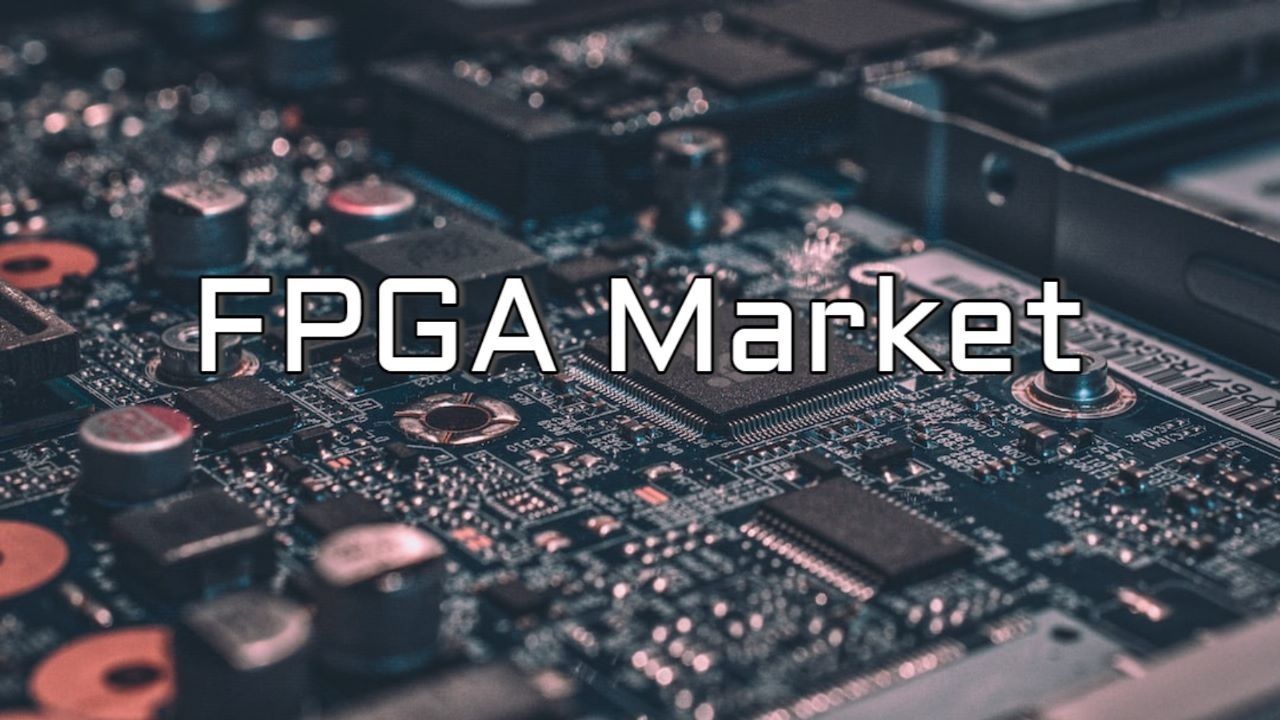
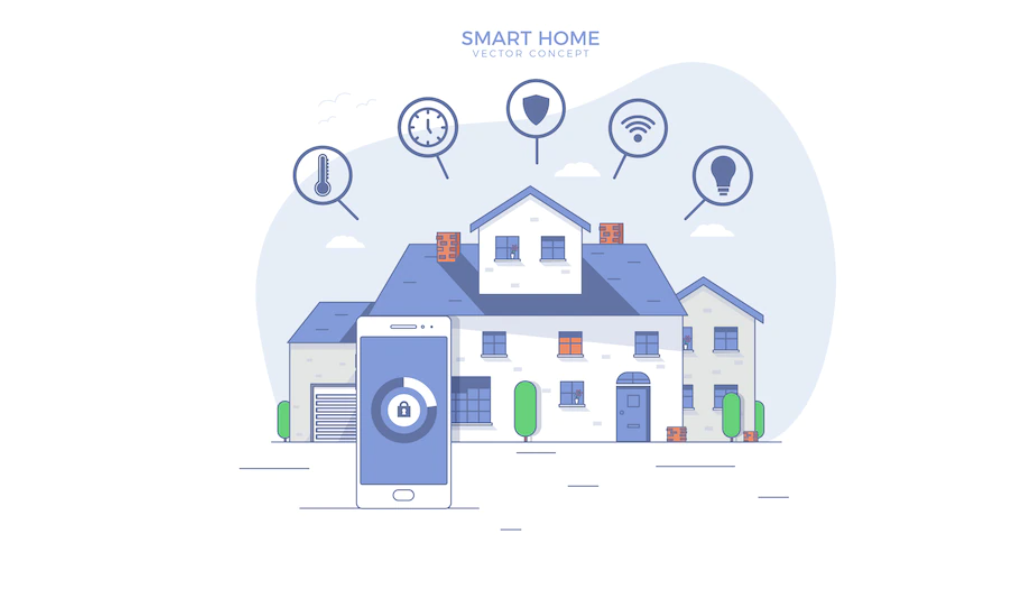
Smart devices are becoming an essential part of everyday life, from wearable technology and home automation systems to industrial sensors and medical equipment. As these devices grow more advanced, the need for faster processing, lower power consumption, and flexible hardware solutions continues to rise. This is where high-efficiency FPGA design and development plays a crucial role. Field-Programmable Gate Arrays (FPGAs) allow engineers to build customized hardware architectures that deliver performance, adaptability, and energy efficiency—key requirements for modern smart devices.
What Is FPGA Design & Development?
FPGA design and development is the process of creating programmable hardware circuits that can be configured after manufacturing. Unlike fixed-function chips, FPGAs can be reprogrammed to perform different tasks, making them highly versatile. Engineers use hardware description languages and specialized design tools to define logic functions, optimize data flow, and test performance before deployment.
For smart devices, this flexibility is extremely valuable. Products often need updates or new features after launch, and FPGAs allow developers to modify hardware behavior without replacing physical components. This reduces production costs, shortens development cycles, and extends product lifespan.
Why High Efficiency Matters in Smart Devices
Efficiency is not just about speed; it also includes power consumption, heat management, and resource utilization. Smart devices typically operate on limited power sources such as batteries or compact energy systems. High-efficiency FPGA development ensures that hardware performs complex tasks while consuming minimal energy.
Optimized FPGA architectures also reduce latency, enabling faster data processing and real-time responsiveness. This is especially important for applications like wearable health monitors, smart cameras, and IoT sensors where immediate results and continuous operation are required. Efficient hardware design improves both user experience and product reliability.
Key Benefits of FPGA Design for Smart Devices
Flexibility: Hardware can be reconfigured or upgraded after deployment.
Performance: Parallel processing enables faster data handling.
Energy Efficiency: Optimized logic reduces power consumption.
Scalability: Designs can be expanded for future product versions.
Cost Effectiveness: Fewer hardware replacements and longer device life.
These benefits make FPGA technology an ideal choice for developers who want to build adaptable and future-ready smart solutions.
Core Stages of FPGA Development
Developing high-efficiency FPGA solutions involves several structured stages. Each step focuses on accuracy, optimization, and testing to ensure reliable performance in real-world conditions.
Requirement Analysis: Understanding device goals, performance needs, and power limits.
Architecture Design: Creating logic structures and selecting suitable FPGA platforms.
Coding and Simulation: Writing hardware code and testing virtual models.
Optimization: Reducing resource usage while maintaining performance.
Validation and Deployment: Final testing and integration into smart devices.
A well-defined workflow minimizes errors and ensures the final hardware meets efficiency and functionality standards.
Enhancing Smart Device Capabilities
High-efficiency FPGA design enables smart devices to handle advanced features such as image processing, wireless communication, artificial intelligence inference, and sensor data analytics. Because FPGAs support parallel operations, they can manage multiple tasks simultaneously without slowing performance.
For example, a smart security camera can process video streams, detect motion, and send alerts in real time using optimized FPGA logic. Similarly, wearable devices can analyze biometric data instantly while preserving battery life. These capabilities highlight how efficient FPGA development directly influences product quality and innovation.
Importance of Expert Engineering
Achieving high efficiency requires deep technical knowledge, experience with design tools, and strong testing practices. Skilled engineering teams understand how to balance performance with power usage while maintaining design flexibility. Companies known for specialized hardware expertise, such as Fidus, often emphasize structured workflows, advanced simulation, and quality assurance to deliver dependable FPGA solutions.
Professional expertise ensures that smart devices operate smoothly under different conditions, reducing the risk of overheating, slow response times, or system failures. It also supports faster time-to-market, which is essential in competitive technology sectors.
Future Outlook of FPGA in Smart Technology
As smart technology continues to evolve, the demand for adaptable and efficient hardware will only increase. FPGAs are expected to play a significant role in emerging areas such as edge computing, autonomous systems, and advanced IoT networks. Their ability to combine speed, flexibility, and energy efficiency positions them as a long-term solution for innovative product development.
Manufacturers are also integrating advanced design tools and automation features, making FPGA development more accessible while improving accuracy. This trend will encourage wider adoption across industries, from consumer electronics to healthcare and industrial automation.
Conclusion
High-efficiency FPGA design and development is a cornerstone of modern smart device innovation. By enabling flexible hardware configurations, reducing energy consumption, and supporting real-time processing, FPGAs empower engineers to create powerful yet compact solutions. From wearable gadgets to intelligent sensors, efficient FPGA architectures enhance performance and reliability while keeping costs under control. Investing in expert design practices ensures that smart devices remain competitive, adaptable, and capable of meeting the rapidly changing demands of today’s technology-driven world.