





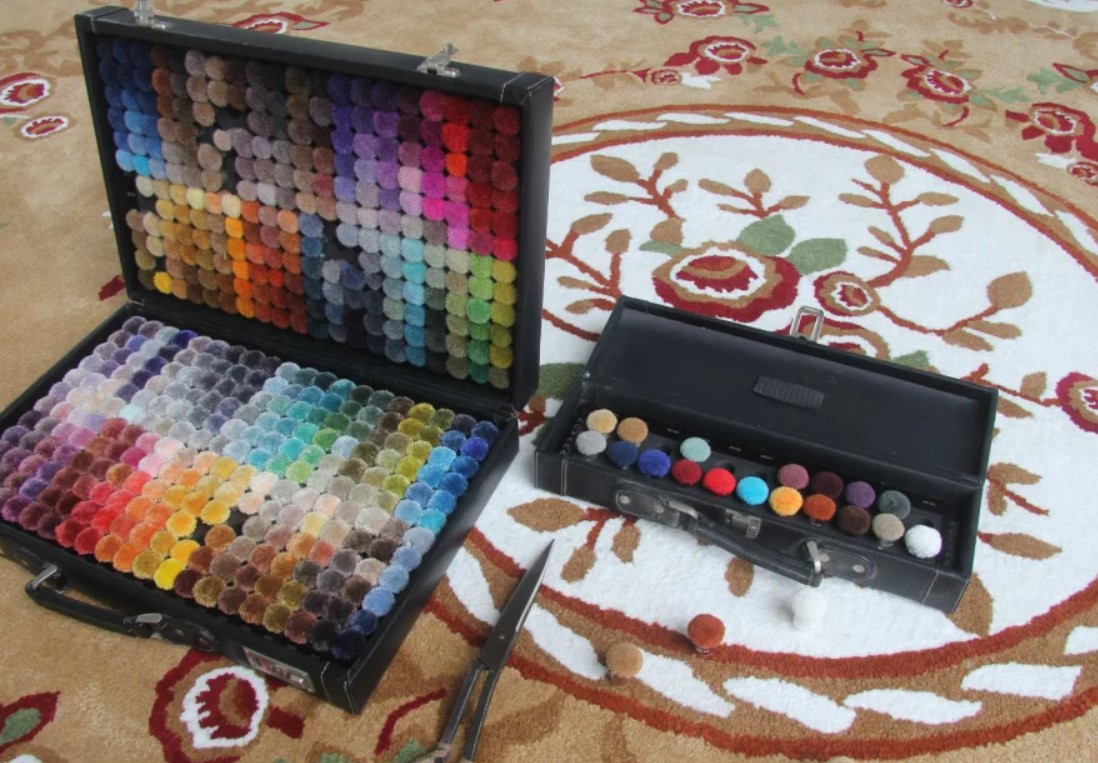
Starting a rug manufacturing business in India can be a profitable venture — especially since Indian rugs (hand-knotted, hand-tufted carpets and rugs, or machine-made) are in high demand globally due to their craftsmanship and quality. Below is a comprehensive step-by-step guide covering everything from setup to marketing.
1. Research and Planning
Market Research
Study Demand: Check domestic vs. export markets (US, Europe, Middle East are big importers).
Identify Rug Type: Choose what you’ll specialize in:
- Hand-knotted rugs – premium, labor-intensive
- Hand-tufted rugs – faster, moderately priced
- Flat-weave rugs (Dhurries) – simpler, traditional
- Machine-made rugs – high volume, lower margins
Competition: Analyze leading brands (Jaipur Rugs, Obeetee, Kaleen India, etc.).
Pricing: Understand production costs, profit margins, and wholesale vs. retail pricing.
2. Choose a Business Model
- Manufacturing & Export: Make rugs and export directly to wholesalers or retailers.
- Domestic Manufacturing: Sell in Indian markets or through e-commerce.
- Contract Manufacturing: Produce rugs for other brands.
- Design Studio + Outsourced Production: Focus on design, outsource weaving.
3. Legal Requirements & Registration
Business Setup
Register your entity: Proprietorship / Partnership / LLP / Pvt. Ltd. Company
Get a Udyam Registration (MSME) to avail of government benefits.
Apply for PAN, GST, and Trade License.
Register with the Export Promotion Council for Handicrafts (EPCH) if you plan to export.
Obtain a No Objection Certificate (NOC) from local authorities for your manufacturing unit.
If you employ workers, register under the Factories Act (if applicable) and ESI/EPF schemes.
4. Location and Infrastructure
Ideal Locations: Jaipur, Panipat, Bhadohi, Mirzapur, Agra, or Kashmir — known rug hubs.
Space Requirements: 2,000–5,000 sq. ft. (for small to medium units).
Facilities: Weaving area, dyeing unit, washing/drying space, finishing and packaging section.
Utilities: Continuous water and electricity supply, ventilation, and lighting.
5. Machinery & Equipment
Depending on the type of rugs you produce:
Handmade units: Looms (horizontal/vertical), scissors, shears, hooks, combs, dyeing vats.
Machine-made units: Power looms, tufting guns, shearing machines, washing & drying machines.
Other equipment: Yarn winding machines, trimming tools, and packaging machines.
6. Raw Materials and Manpower
Raw Materials
- Wool, cotton, silk, jute, viscose, or synthetic fibers.
- Natural or chemical dyes.
- Backing material and adhesives (for tufted rugs).
- Packaging materials.
- Workforce
- Skilled weavers and dyers (often from traditional weaving communities).
- Designers, quality controllers, packers, and administrative staff.
7. Investment and Funding
Estimated Initial Investment:
- Small handmade unit: ₹5–10 lakhs
- Medium unit with machinery: ₹15–30 lakhs
- Large-scale machine unit: ₹50 lakhs–₹1 crore+
- Funding Sources:
- Bank loans (Mudra Loan, CGTMSE, SIDBI schemes)
- Government subsidies for MSMEs
- Export incentives (MEIS/RoDTEP)
- Private investors or partnerships
8. Production Process Overview
- Designing (manual or CAD-based)
- Yarn procurement and dyeing
- Weaving or tufting
- Washing and drying
- Trimming and finishing
- Quality inspection
- Packaging and dispatch
9. Marketing and Sales
Domestic Market
Supply to furniture stores, décor boutiques, and online platforms (Amazon, Pepperfry, IndiaMART).
Build your brand website and social media presence (Instagram, Pinterest).
Export Market
- Register as an exporter via DGFT (obtain IEC – Import Export Code).
- Participate in trade fairs (IHGF Delhi Fair, Carpet Expo).
- Partner with international wholesalers and interior designers.
- Use platforms like Alibaba, Etsy, and Faire for B2B and B2C export sales.
10. Growth & Scaling
- Diversify into home décor items (cushions, poufs, wall hangings).
- Invest in eco-friendly and sustainable rug production (natural dyes, organic fibers).
- Develop in-house design teams for unique collections.
- Automate parts of production as you grow.
Key Tips for Success
- Quality and design innovation are key differentiators.
- Maintain ethical labor practices — many buyers prefer fair-trade certified products.
- Leverage government export schemes for handicraft exporters.
- Build strong branding around Indian craftsmanship and sustainability.
cannabusinessplans.com offers professional cannabis business plans for starting and operating 100% legally cultivation, extraction starting a cannabis business


Thus, you need to be your very own business—and you need to realize how to begin a cleaning business.
Be that as it may, you don't need a cleaning establishment because of the high start-up expense and the mind-boggling expense of tasks.
Fortunately, there is a monetarily more secure and increasingly rewarding choice accessible for you: beginning up your own cleaning business!Truly, as amazing as it might sound, beginning your own cleaning business is the way to being the supervisor of your own one of a kind fruitful organization.
There are a couple of explanations behind this.
As a matter of first importance, cleaning organizations don't require a great deal of starting money related venture.
You can start up a cleaning organization with a couple of hundred dollars, and that is including cleaning supplies and hardware, documenting all the fundamental printed material, and—above all—an amazing cleaning course that will show you the intricate details of beginning and maintaining your very own cleaning business.How To Start A Cleaning BusinessA cleaning course, for example, the ones offered by Start A Cleaning Business Uk, are intended to help direct you through the way toward beginning and working your own one of a kind cleaning organization.