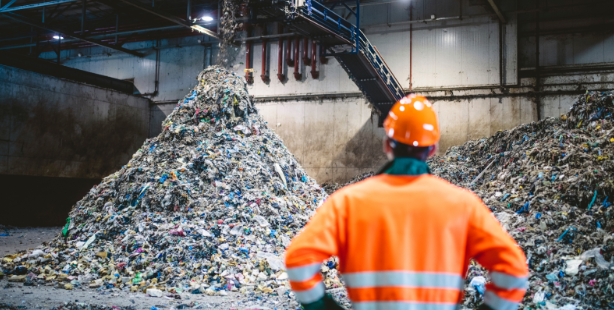
In today’s industrial landscape, sustainability and efficiency are paramount. Businesses are under increasing pressure to minimise their environmental footprint while optimising operational resources. Effective industrial waste management is central to achieving these goals. By implementing advanced systems and technologies, industries can not only reduce waste sent to landfill but also recover valuable materials, creating a more circular and sustainable approach to production. Industrial waste management ensures that every stage of the waste process contributes to higher resource recovery rates, cost efficiency, and environmental responsibility.
The Role of Resource Recovery
Resource recovery refers to the process of extracting usable materials from waste streams and reintegrating them into production cycles. This practice reduces the demand for virgin resources, lowers production costs, and lessens environmental impact. Materials such as metals, plastics, glass, paper, and organics retain considerable value even after their initial use. Industrial waste management systems are designed to capture these resources efficiently, maximising recovery rates and supporting sustainability initiatives.
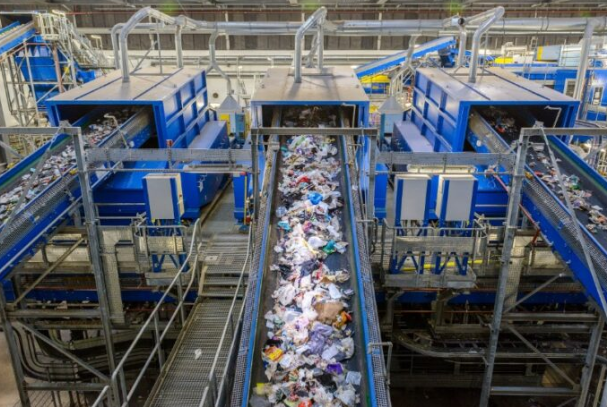
Efficient recovery requires careful segregation, processing, and handling of waste. Sorting systems, shredders, and conveyors ensure that materials are accurately separated and processed for reuse or recycling. By maintaining high standards of separation and quality, facilities can reclaim more materials, reduce contamination, and increase the overall efficiency of recycling streams.
Key Components of Industrial Waste Management Systems
Pre-Processing and Feeding
Pre-processing is the first step in optimising resource recovery. Bag openers, conveyors, and feeders ensure that waste is handled safely and uniformly. By reducing manual handling and providing consistent material flow, these systems improve downstream processing efficiency, which is essential for high-volume industrial operations.
Size Reduction and Primary Treatment
Shredders and hammermills break down large waste items into manageable fractions. Primary shredders tackle bulky materials such as metals, plastics, and timber, while secondary shredders refine the material for further sorting. This uniformity allows for more effective separation and higher-quality recovery streams.
Screening and Separation
Advanced screening and separation technologies play a critical role in industrial waste management. Vibrating screens, trommels, and flip-flow systems sort materials by size, while ballistic separators differentiate flat items from three-dimensional objects. Magnetic and eddy current separators recover both ferrous and non-ferrous metals, adding significant value to the recycling process. Windshifters use controlled airflow to remove light fractions such as plastics from heavier materials, ensuring that each resource is recovered efficiently.
Specialised Recovery Streams
Certain industries produce unique waste streams that require tailored solutions. Co-mingled recycling systems allow for the simultaneous processing of paper, plastics, metals, and glass. Other specialised solutions, such as refuse-derived fuel and processed-engineered fuel systems, recover energy from residual waste. By targeting specific waste streams, industrial waste management maximises both material and energy recovery.
Technological Advancements Driving Efficiency
Modern industrial waste management increasingly relies on automation and smart technology. Automated sorting systems, sensors, and real-time monitoring allow facilities to optimise operations, detect contamination, and adjust processes dynamically. These technological advancements ensure high recovery rates while maintaining cost-effectiveness. By combining engineering expertise with automated solutions, facilities can manage waste streams more sustainably and efficiently.
Economic and Environmental Benefits
Implementing advanced industrial waste management systems offers both economic and environmental advantages. Recovering materials reduces the need for virgin resources, lowering production costs and preserving natural habitats. Decreasing landfill usage also minimises greenhouse gas emissions, contributing to broader sustainability targets. Companies that adopt efficient waste management practices can strengthen their reputation, demonstrate social responsibility, and meet regulatory requirements while improving operational performance.
Conclusion: Advancing Circular Practices with Textile Recycling
Industrial waste management is essential for improving resource recovery rates, enhancing operational efficiency, and reducing environmental impact. By investing in advanced sorting, shredding, and processing technologies, industries can extract maximum value from waste streams. From metals and plastics to organics and paper, effective systems ensure that resources are reused rather than discarded. This approach extends to sectors such as textile recycling, where recovered fabrics and materials contribute to a circular economy, minimise landfill waste, and support sustainable manufacturing practices.