





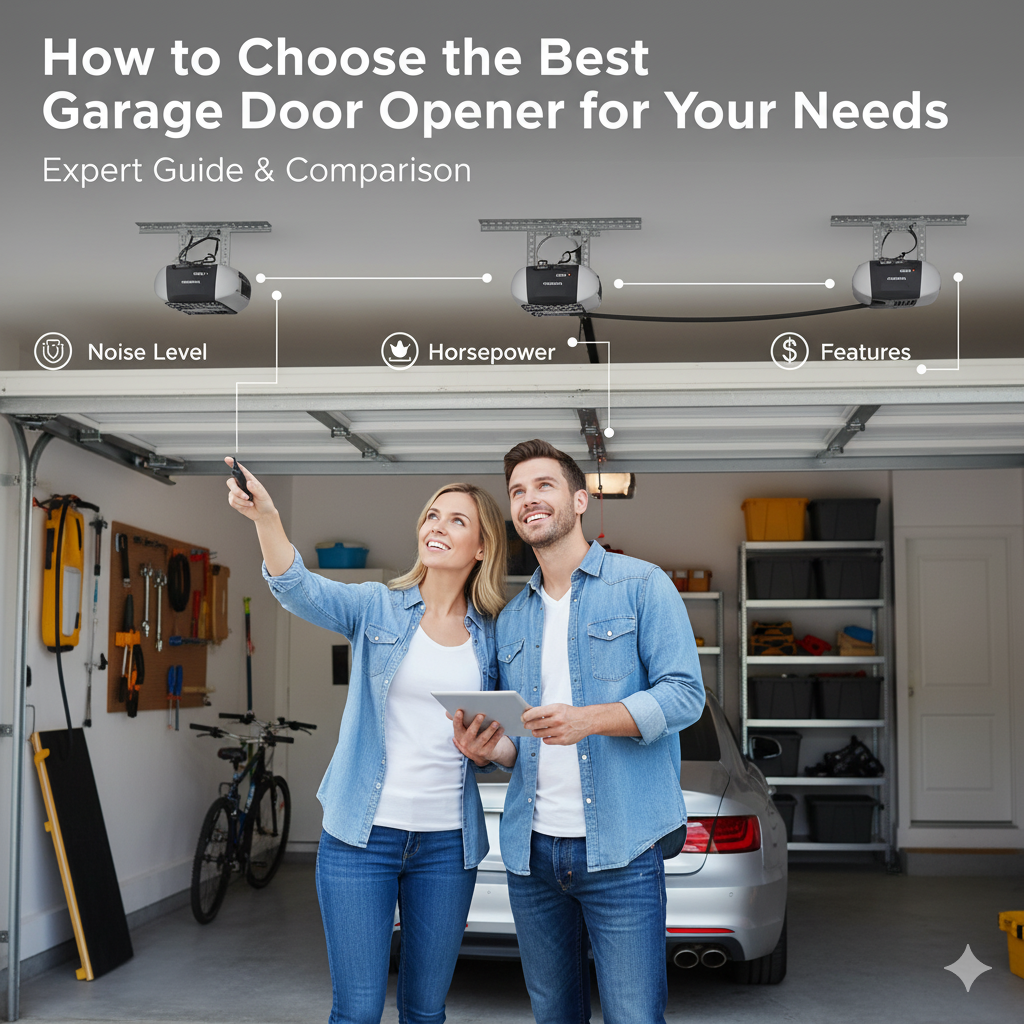
Choosing the right garage door opener can feel like picking a small detail that doesn’t matter much—until you realize how much convenience, safety, and comfort it brings to your home. If you’ve ever struggled with a noisy, slow, or unreliable opener, you already know how important it is to choose wisely. Whether you’re upgrading an old unit or installing a new one, understanding your options can save you time, money, and frustration. Companies like Legacy Garage Repair often help homeowners select the best opener for their unique setup, but knowing the basics will help you make an informed decision.
Understanding the Types of Garage Door Openers
Before diving into brands and fancy features, it’s worth knowing the main types of garage door openers available today. Each type operates differently, and the right one depends on your door’s size, weight, and how much noise or maintenance you’re comfortable with.
1. Chain-Drive Openers
These are the most common type and often the most affordable. A metal chain connects the motor to the trolley that moves the door. They are reliable and powerful—great for heavy doors—but they can be noisy. If your garage is attached to your home or near a bedroom, the rattling sound might be a concern.
2. Belt-Drive Openers
Instead of a chain, these use a rubber belt, which makes them much quieter. They’re ideal for homes where noise reduction is important. Belt drives tend to be smoother and require less maintenance, though they usually cost a bit more.
3. Screw-Drive Openers
These operate with a threaded steel rod that moves the trolley. They’re fast and efficient but can get noisy over time without proper lubrication. They work well in moderate climates but may struggle in extreme temperature changes.
4. Direct-Drive and Jackshaft Openers
These are newer technologies. A direct-drive opener has only one moving part—the motor itself moves the door. It’s quiet and durable. A jackshaft opener, on the other hand, mounts on the wall beside the garage door, freeing up ceiling space. This is perfect for garages with low ceilings or where you want a cleaner look.
Motor Power and Performance
The strength of a garage door opener is measured in horsepower (HP). Choosing the right motor power ensures your door operates smoothly without strain.
½ HP: Works for most standard single or double garage doors made of lightweight materials like aluminum.
¾ HP: Better suited for heavier doors, such as insulated steel or wooden ones.
1 HP or more: Recommended for oversized or custom-built doors. It’s also ideal if you open and close your door multiple times a day.
If you’re unsure about your door’s weight or type, consulting a professional can help you determine the best fit before purchasing.
Noise Level and Installation Location
Noise is a common concern, especially for homes with living spaces near or above the garage. Belt-drive and direct-drive models are the quietest, while chain drives tend to be the loudest.
If your garage is detached, a chain drive might be perfectly fine and more budget-friendly. But for attached garages, investing in a quieter model can make a noticeable difference in comfort.
You should also consider your garage’s ceiling height and available space. Wall-mounted (jackshaft) openers are great for tight or unique layouts, while ceiling-mounted models are traditional and fit most setups.
Smart Features and Connectivity
Modern garage door openers have come a long way. Today’s models often include smart technology that lets you monitor and control your door remotely from your phone.
Here are a few smart features to look for:
Wi-Fi connectivity: Lets you open, close, or check your door status via a smartphone app.
Battery backup: Keeps your opener working during power outages.
Safety sensors: Automatically stop the door if something crosses its path.
Automatic close timer: Closes the door after a set period in case you forget.
Voice control: Works with assistants like Alexa or Google Home.
While these features aren’t mandatory, they add convenience and enhance security. A smart opener can also alert you if your door is left open—handy if you travel often or have kids who sometimes forget to close it.
Safety and Security Considerations
Safety should always come first. Every opener sold in the U.S. today must include safety sensors that prevent accidents. Still, it’s worth checking for a few additional safety features.
Rolling code technology: This changes your remote’s code every time it’s used, preventing hackers from duplicating your signal.
Manual release handle: Lets you open the door manually during power outages.
Auto-reverse function: Ensures the door goes back up if it hits an obstacle.
These small features can prevent property damage and injury while giving you peace of mind.
Energy Efficiency and Maintenance
Garage door openers don’t consume much energy, but energy-efficient models can still make a difference over time. Look for openers with standby power-saving modes and LED lighting instead of traditional bulbs.
Maintenance is another factor to consider. Chain drives need occasional lubrication, while belt drives and direct drives require very little upkeep. Regular inspections of the track, springs, and sensors will help your opener last longer.
Cost and Warranty
Prices vary depending on brand, power, and features. Basic chain-drive models start around $150, while advanced smart openers can cost $400 or more. Professional installation usually ranges between $200 and $500, depending on complexity.
Many reputable brands offer warranties on motors and parts—some even for the lifetime of the opener. It’s worth checking warranty details before making your final decision.
When to Replace Your Old Opener
If your current opener is more than 10–15 years old, replacement might be the smarter choice. Older units often lack modern safety features and can become unreliable. Warning signs include:
Unusual grinding or rattling sounds
Inconsistent opening or closing
Vibration or jerky movements
Remote or wall switch not responding
Upgrading to a newer model not only improves performance but also adds security and convenience to your daily routine.
Professional Installation vs DIY
While many homeowners enjoy tackling DIY projects, installing a garage door opener is best left to professionals, especially for heavy doors or advanced systems. Incorrect installation can cause misalignment, sensor failure, or even injury.
Professional installers ensure proper setup, calibration, and testing, saving you from future headaches. A local expert, such as those offering professional garage door repair services, can also guide you toward the most reliable brands and models for your specific door type.
Final Thoughts
Choosing the best garage door opener comes down to understanding your priorities—noise, power, space, and technology. A belt-drive opener may be perfect for quiet operation, while a jackshaft opener offers a modern, space-saving design.
Before you buy, take note of your door’s size, weight, and how often it’s used. With a bit of research and professional help, you’ll find an opener that fits your lifestyle and keeps your home running smoothly for years to come.
Frequently Asked Questions
1. How long does a garage door opener usually last?
Most openers last 10 to 15 years, depending on usage and maintenance. Regular lubrication and inspections can extend their lifespan.
2. Can I use my old remotes with a new opener?
It depends on compatibility. Newer models use rolling code technology, which may not work with older remotes. Check your manufacturer’s manual or consult an installer.
3. What’s the quietest type of garage door opener?
Belt-drive and direct-drive openers are known for quiet operation. They’re ideal for homes with bedrooms near the garage.
4. Is Wi-Fi control worth the extra cost?
For most homeowners, yes. It adds convenience and lets you monitor your garage door remotely, which enhances both security and peace of mind.
5. Can I install a garage door opener myself?
Some people can, especially if they have experience with tools and wiring. But for safety and warranty reasons, it’s often better to hire a professional.



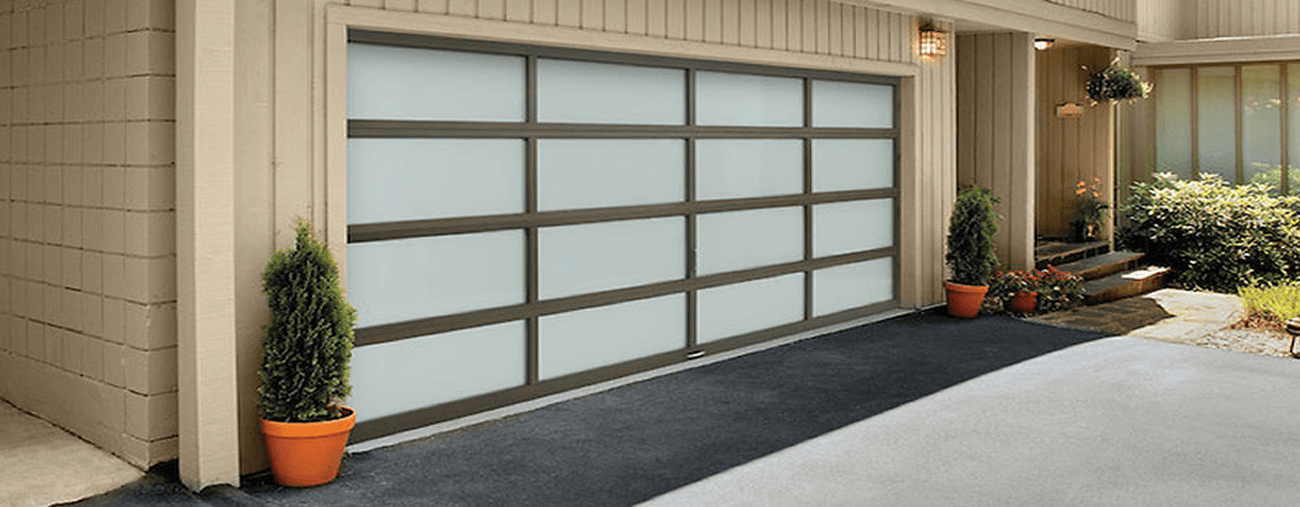
Titan Garage Doors is locally owned in Stoughton Wisconsin and services the greater Madison WI area.
We pride ourselves in providing our customers with professional garage door repair services at affordable prices.
We also offer same day service at no extra charges, and we are available 24/7 for emergency garage door repair.
We are committed to offering you a wide range of services for any kind of issue related to your garage door.
Our trained technicians are capable of performing all types of garage door repair and installation jobs including residential, commercial, and industrial properties.
We are proud to use only top of the line garage door parts and products for garage door repair and installation jobs, which are backed by a full warranty.
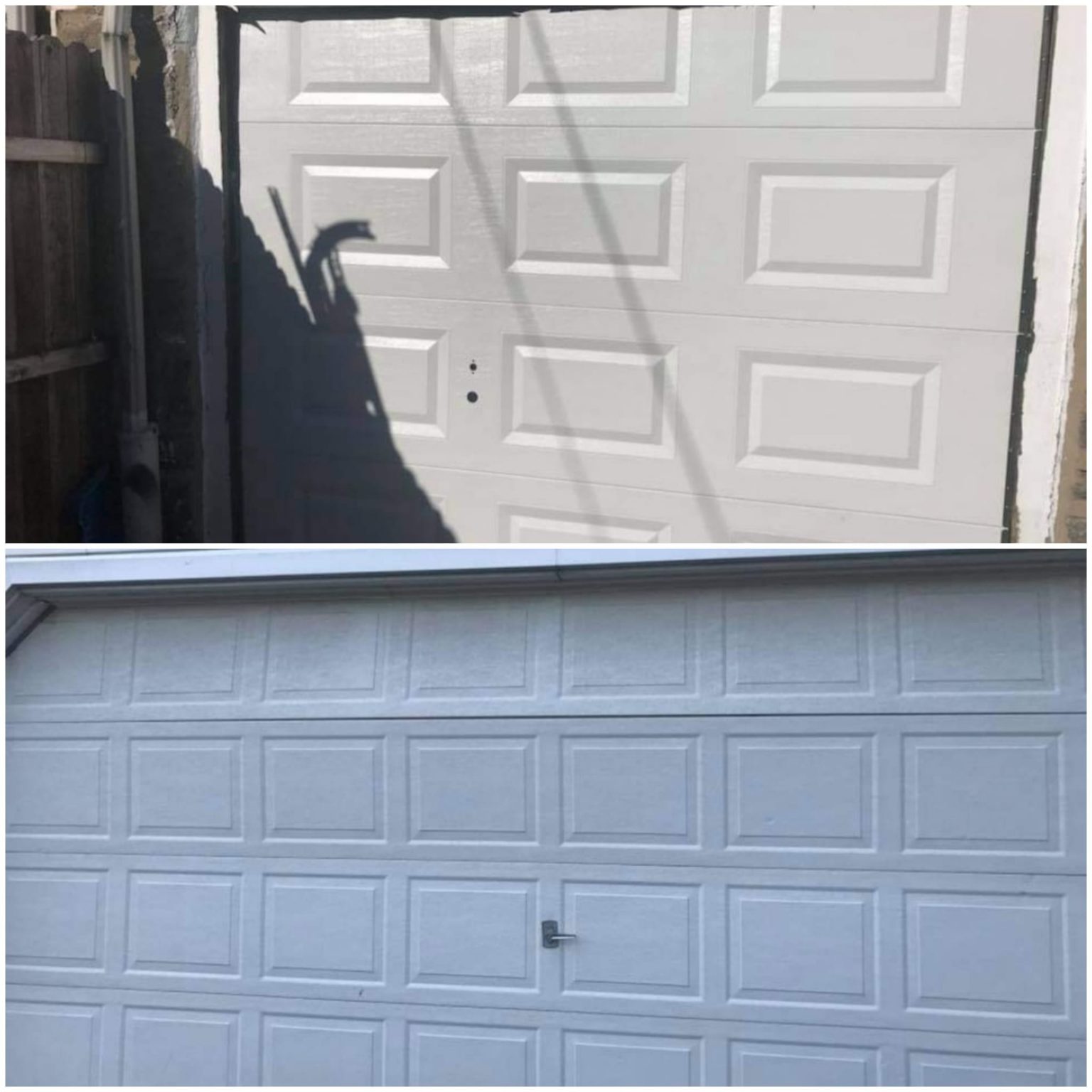
https://www.skhpro.com/garage-services/SKH Home Improvement take pride in our professional garage door repair services in Pottstown.
Our exceptional customer care, speedy repair services, and affordable rates are the main reason why we have an influx of clients reaching out to us when broken garage doors become an inconvenience.