Vacuum annealing furnaces, as essential equipment in modern metal processing, are widely used in industries such as automotive, aviation, electronics, and metallurgy. Their unique operating principle and efficient heat treatment results make them exceptionally effective in improving the properties of metal materials. This article will delve into the mechanical principles, applications, operating specifications, and how to ensure efficient operation of vacuum annealing furnaces.
How Vacuum Annealing Furnaces Work
The core function of a vacuum annealing furnace is to heat metal in a vacuum environment, eliminating internal stresses and improving its microstructure, ultimately enhancing its mechanical properties. Compared to traditional air annealing, vacuum annealing achieves higher purity and more precise temperature control. The vacuum environment within the furnace effectively prevents oxidation and nitriding, making it particularly suitable for annealing high-precision metal materials.
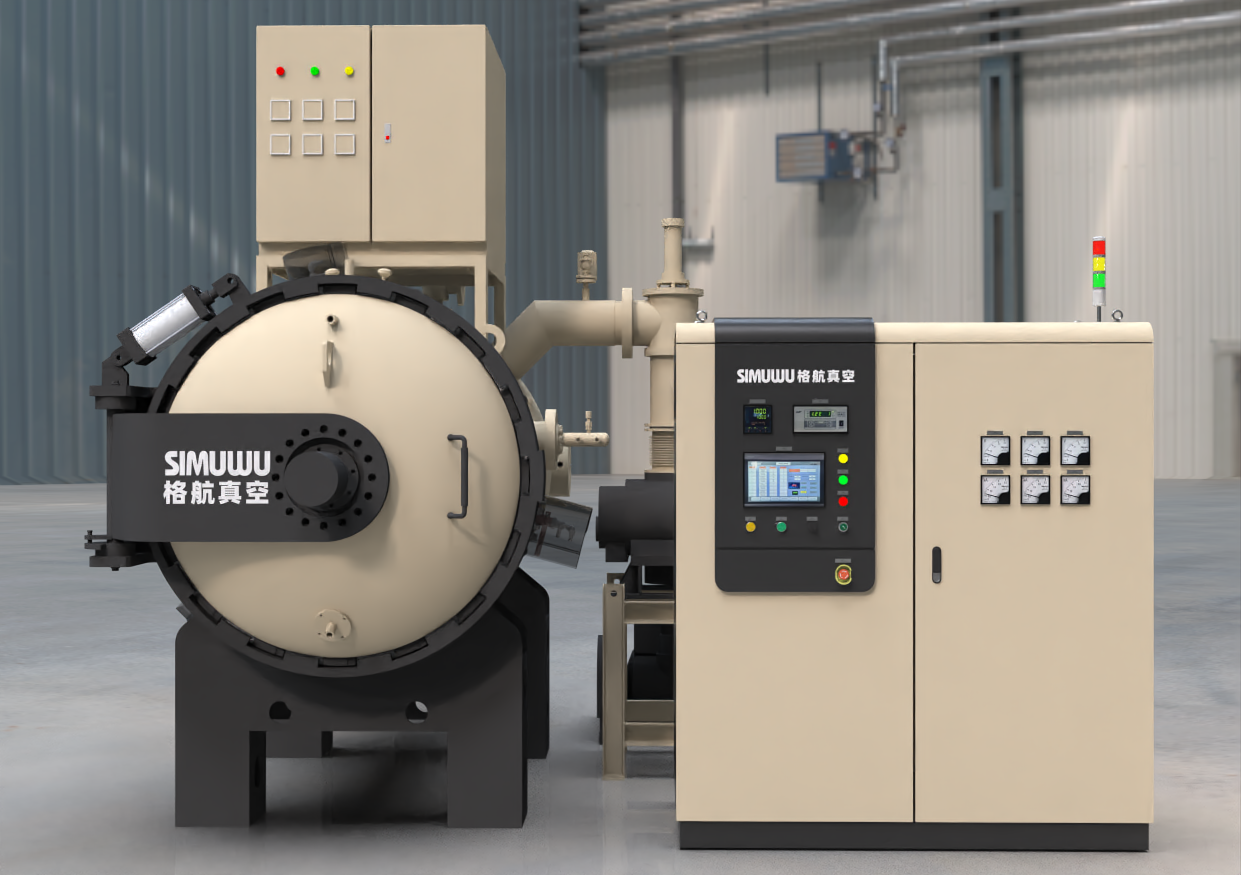
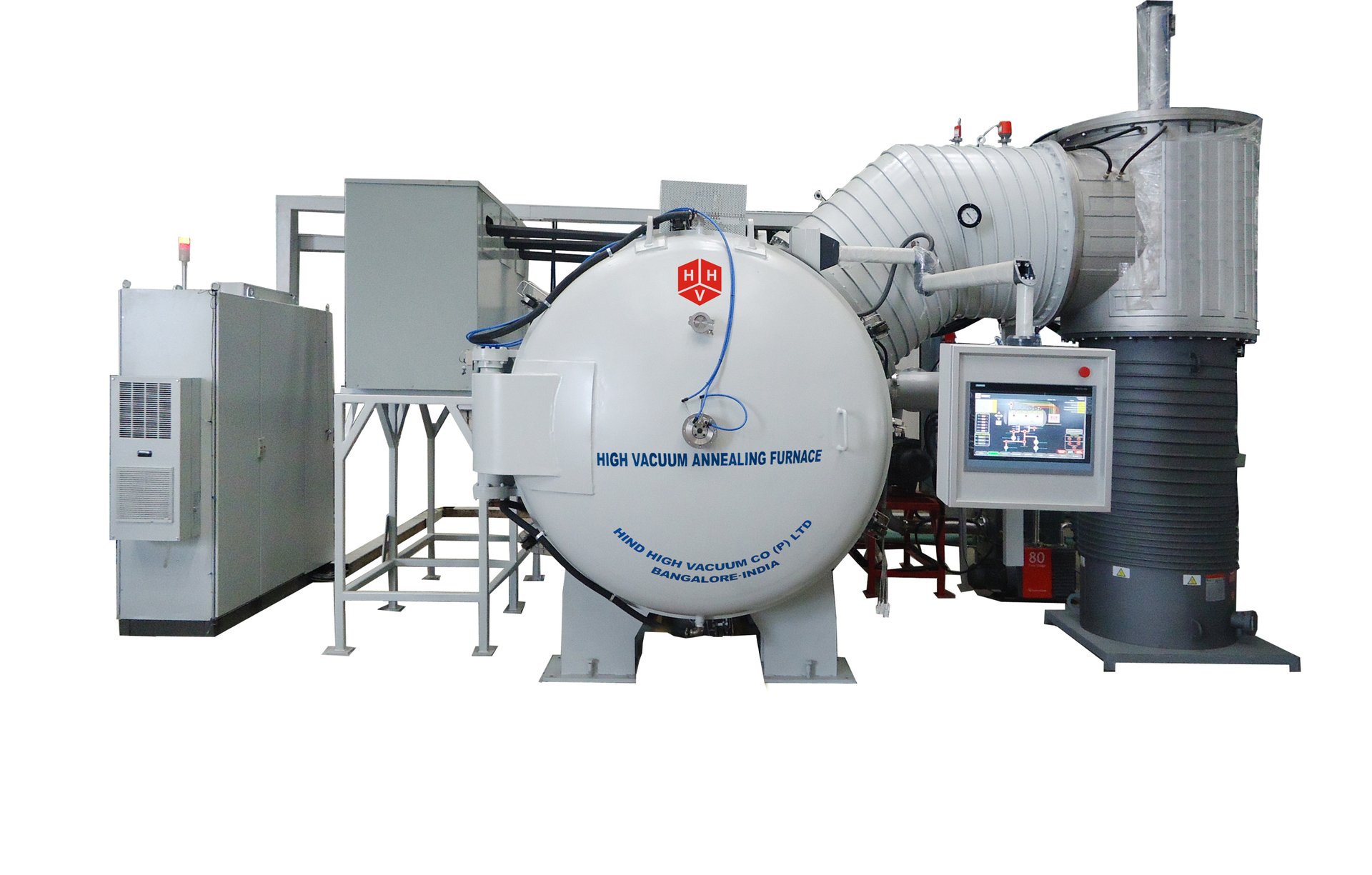
The basic structure of a vacuum annealing furnace consists of a heating unit, a vacuum system, a temperature control system, a cooling system, and a support frame. The heating elements within the furnace (typically made of high-temperature resistant materials such as molybdenum, tungsten, or graphite) evenly transfer heat to the metal workpiece, ensuring precise temperature control to maintain the set annealing temperature. The vacuum system reduces the air pressure within the furnace to near zero through evacuation, eliminating oxidation and improving the metal's surface quality.
Main Types and Applications
Vacuum annealing furnaces are generally categorized into several types based on their function and application:
1.Single-chamber vacuum annealing furnaces: These furnaces are typically used for small-batch, high-precision metal annealing and are suitable for heat treatment of aerospace, electronics, and precision parts. Due to their ease of operation, energy efficiency, and ability to achieve high-purity heat treatment results, they are widely used in the electronic components and semiconductor industries.
2.Dual-chamber vacuum annealing furnaces: These furnaces are suitable for large-scale production and offer higher production efficiency. Their structure allows workpieces to be annealed and cooled in separate chambers, enhancing operational flexibility. They are commonly used in industries such as automotive and metallurgy.
3.Heat Exchange Vacuum Annealing Furnaces: These equipment incorporate heat exchange technology, enabling more efficient heat utilization and reducing energy waste. They are suitable for large-scale production requiring precise temperature control.
In practical applications, vacuum annealing furnaces are commonly used in the following areas:
Metal Annealing: They are particularly suitable for annealing high-end steels, aluminum alloys, titanium alloys, and other materials. They effectively remove internal stresses, restore the material's plasticity, and enhance the precision and quality of subsequent processing.
Electronic Component Processing: Vacuum annealing of electronic components (such as semiconductors and integrated circuits) can improve the material's electrical properties and stability.
Aerospace Material Processing: Aerospace components require extremely high strength, toughness, and fatigue resistance. Vacuum annealing can enhance the overall performance and reliability of these components.
Operating Specifications and Safety Requirements
While vacuum annealing furnaces provide excellent heat treatment results, proper operation and safety measures are crucial. Operators must strictly adhere to operating specifications to ensure safe operation of the equipment in high-temperature and vacuum environments.
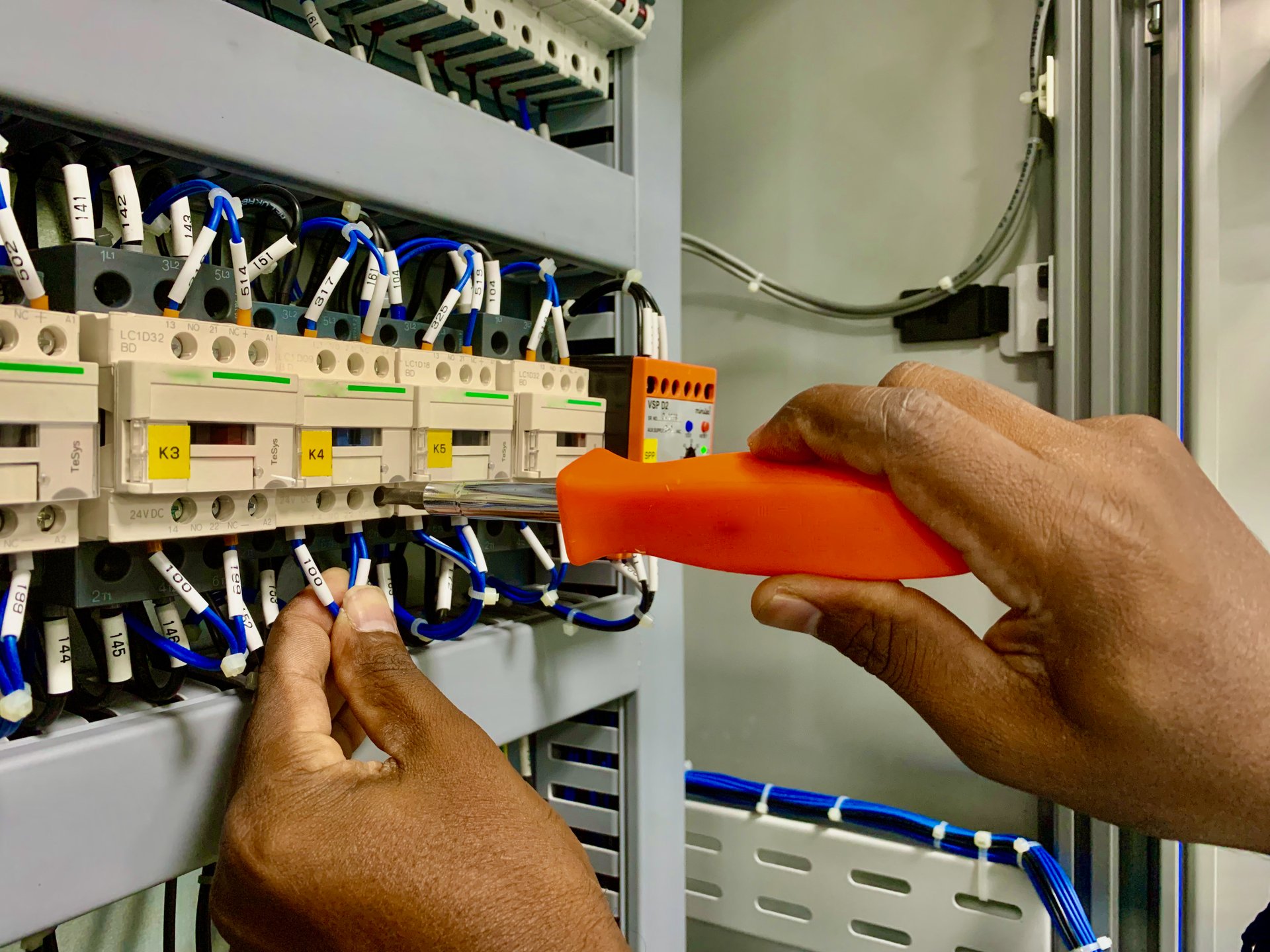
Equipment Inspection and Preparation: Before starting a vacuum annealing furnace, first check that the furnace, vacuum system, and heating elements are functioning properly. The integrity of the furnace door seal, the accuracy of the temperature control system, and the proper functioning of the cooling system are all prerequisites for ensuring safe operation of the equipment.
Temperature and Vacuum Control: During the annealing process, temperature control is crucial for ensuring uniform annealing of metal workpieces. Operators must monitor the furnace temperature in real time and ensure that it fluctuates within the specified range. Furthermore, the vacuum level must be strictly maintained; excessively low vacuum levels can affect the annealing effect.
Cooling and Exhaust: After the annealing process is completed, timely and uniform cooling is crucial for restoring the metal's properties. Cooling rates that are too fast or too slow can affect the metal's crystal structure and hardness. Therefore, the annealing furnace's cooling system must be stable and effective.
Safety Protection: Because vacuum annealing furnaces operate in high-temperature and vacuum environments, operators must wear appropriate protective equipment, such as heat-resistant gloves, goggles, and protective clothing, to protect themselves from the hot metal or harmful gases. Furthermore, during prolonged operation, operators should avoid direct contact with the heating elements and the hot furnace body to prevent burns.
Conclusion: The Importance and Future Outlook of Vacuum Annealing Furnaces
With the continuous advancement of industrial manufacturing, the role of vacuum annealing furnaces in metal processing has become increasingly significant. From aerospace to electronics manufacturing, from precision instruments to heat treatment of automotive parts, vacuum annealing furnaces are not only a key tool for improving metal properties but also a guarantee of precision manufacturing. With continuous technological innovation, future vacuum annealing furnaces will become more efficient and intelligent, meeting increasingly stringent production requirements and environmental standards.
In short, as an indispensable piece of infrastructure in modern industrial production, vacuum annealing furnaces continue to play a vital role in numerous industries due to their superior heat treatment capabilities and wide range of applications.
CONTACT INFO
Shanghai Gehang Vacuum Technology Co., Ltd.
Email:kevin.liu@vacfurnace.com
Add:No. 1299, Xinjinqiao Road, Pudong New Area, Shanghai
Website: https://www.simuwufurnace.com/