


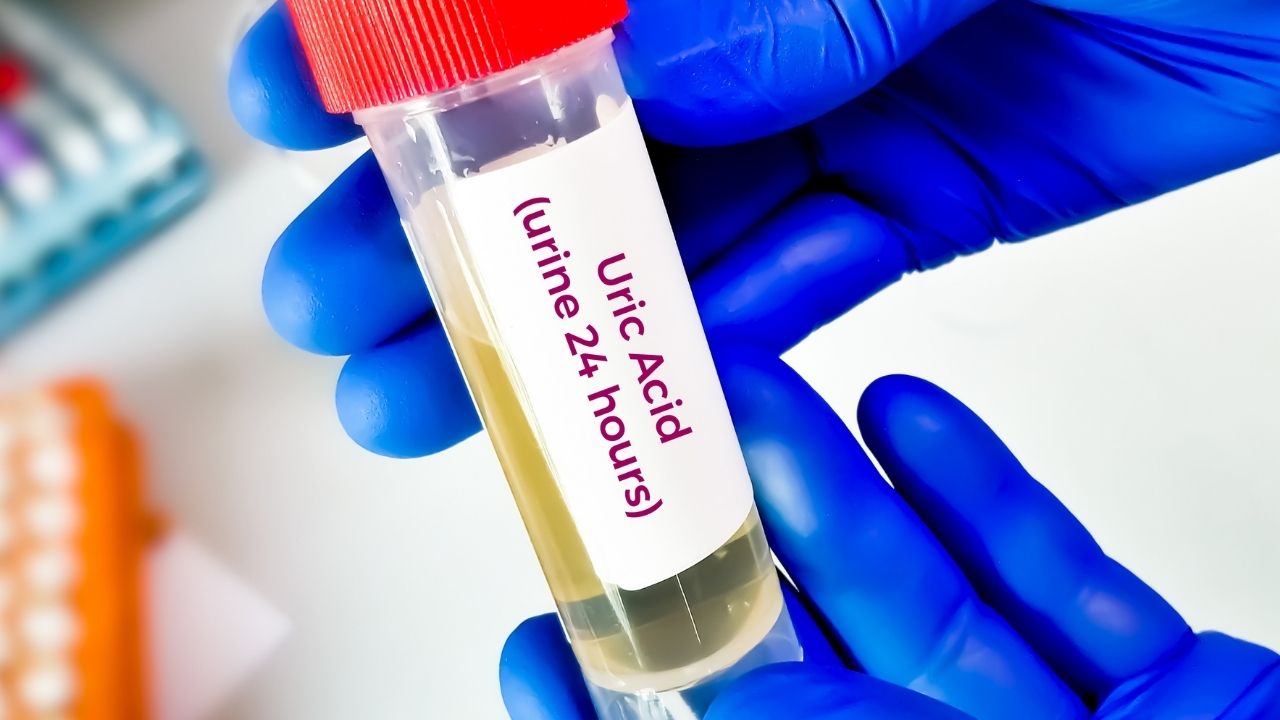

Uric Acid in the Body: Causes, Effects & How to Maintain Healthy Levels
Uric acid is a natural waste product that forms when your body breaks down purines, substances found in certain foods and produced naturally by the body. Usually, uric acid dissolves in the blood, travels to the kidneys, and is removed through urine.
However, when the body produces too much uric acid or the kidneys fail to eliminate it properly, it starts accumulating in the bloodstream. This imbalance can lead to several health issues, especially gout, kidney stones, and joint discomfort.
Understanding how uric acid works, what causes fluctuations, and how to keep it under control is essential for maintaining long-term well-being. Below is a detailed guide on uric acid in the body, including causes, symptoms, effects, and practical steps you can take to maintain balanced levels.
What Is Uric Acid and Why Does It Matter?
Uric acid is a naturally occurring compound that plays a functional role in breaking down purines. While it is not harmful in normal amounts, imbalance—either high or low—can affect the body's internal stability.
Your body gets purines from:
Red meat
Shellfish
Organ meats
Alcohol (especially beer)
Sugary drinks
Certain vegetables (spinach, mushrooms, peas)
When purine levels rise, your body produces more uric acid. If the kidneys fail to excrete it properly, the excess starts circulating in the blood.
Monitoring Normal uric acid levels is crucial, as this helps prevent complications like joint pain, swelling, or uric acid crystal deposits that may cause inflammation.

What Causes High Uric Acid in the Body?
High uric acid, also known as hyperuricemia, can result from:
1. Diet High in Purines
Excessive consumption of meat, seafood, and processed foods encourages uric acid buildup.
2. Excessive Sugar and Alcohol Intake
Alcohol increases uric acid production, while fructose-containing beverages make it harder for your kidneys to filter waste.
3. Kidney Disorders
When kidneys do not function efficiently, uric acid accumulates more easily.
4. Obesity and Metabolic Syndrome
Being overweight increases uric acid production and reduces the body’s ability to eliminate it.
5. Dehydration
Lack of water reduces the kidneys’ capacity to flush out uric acid.
6. Certain Medications
Drugs such as diuretics or immunosuppressants can elevate uric acid levels.
Know More About : Normal uric acid range
What Causes Low Uric Acid Levels?
Low uric acid, or hypouricemia, is less common but can still indicate underlying issues. Causes include:
Nutrient malabsorption
Liver disorders
Genetic conditions
Certain medications
Low purine intake
Kidney filtration abnormalities
Low uric acid usually goes unnoticed but may require medical attention if accompanied by fatigue, weakness, or frequent urination.
What Are the Effects of Imbalanced Uric Acid in the Body?
Uric acid imbalance affects the body in several ways, depending on whether levels are too high or too low. Below are what are the effects of abnormal uric acid:
Effects of High Uric Acid (Hyperuricemia)
1. Gout
Crystals of uric acid accumulate in joints, causing sudden, severe pain, swelling, and redness—especially in the big toe.
2. Kidney Stones
Increased uric acid hardens into stones that cause pain, blood in urine, and difficulty passing urine.
3. Joint Inflammation
Even without gout attacks, uric acid may irritate joints, reducing mobility and causing discomfort.
4. Heart Disease Risk
High uric acid is linked to higher chances of hypertension, heart disease, and metabolic syndromes.
5. Chronic Kidney Disease
Elevated levels over time can damage the kidneys, slowing their filtration function.
Effects of Low Uric Acid (Hypouricemia)
Fatigue and weakness due to metabolic changes
Possible risk of neurological disorders if extremely low
Excessive urination
Nutrient malabsorption issues
Rarely, kidney-related complications
Keeping uric acid levels balanced is essential for optimal health and preventing long-term complications.
How to Reduce the Risk of High and Low Uric Acid Levels
Balancing uric acid doesn’t always require medication. Often, lifestyle and dietary changes can significantly help. Below are practical strategies on How to reduce the risk of high and low uric acid levels naturally.
Dietary Tips to Control Uric Acid:
1. Drink Plenty of Water
Water helps the kidneys flush out uric acid more effectively. Aim for 8–10 glasses daily.
2. Limit High-Purine Foods
Cut down on:
Red meat
Organ meats
Shellfish
Processed meats
3. Reduce Sugary Products
Avoid soft drinks, packaged juices, and desserts rich in fructose.
4. Choose Low-Fat Dairy
Low-fat milk, yogurt, and cottage cheese help reduce uric acid buildup.
5. Increase Fiber-Rich Foods
Vegetables, fruits, oats, lentils, and whole grains help regulate metabolism.
6. Eat More Vitamin C
Citrus fruits, berries, and peppers help lower uric acid levels naturally.
7. Limit Alcohol, Especially Beer
Beer contains purines and increases uric acid production, making it harder for the body to maintain balance.
Lifestyle Tips and Prevention
1. Maintain a Healthy Weight
Weight reduction helps lower uric acid production gradually.
2. Exercise Regularly
Moderate physical activity keeps metabolism stable and improves kidney health.
3. Avoid Crash Dieting
Sudden weight loss increases uric acid temporarily.
4. Manage Stress
High stress affects hormone balance, which may indirectly elevate uric acid.
5. Monitor Your Hormonal Health
Thyroid or metabolic conditions can influence uric acid levels.
6. Limit Salt Consumption
Salt contributes to water retention and slows kidney function.
When Should You Check Your Uric Acid Levels?
You should monitor uric acid if you experience:
Frequent joint pain
Swollen or warm joints
Kidney stones
Difficulty urinating
Persistent fatigue
A family history of gout
Regular testing helps ensure your levels fall within Normal uric acid levels, reducing the risk of complications.
Tips and Prevention for Long-Term Uric Acid Control
Below are easy and effective prevention strategies:
Drink lemon water every morning
Replace sugary drinks with herbal teas
Consume more fresh fruits like cherries, oranges, and apples
Avoid packaged foods
Eat smaller, balanced meals throughout the day
Keep track of your lab reports every 6–12 months
These habits support kidney function, reduce inflammation, and help maintain uric acid within a healthy range.
Conclusion
Uric acid is a natural part of your body’s metabolic process, but when its levels become imbalanced, it can lead to discomfort, inflammation, and chronic health conditions. By understanding what causes fluctuations and following proper dietary and lifestyle habits, you can maintain healthy levels and prevent future complications.
Monitoring your Normal uric acid levels, staying hydrated, eating mindfully, and staying active are some of the simplest yet most effective ways to maintain long-term health. Whether your concern is high or low uric acid, early awareness and prevention are the keys to living a pain-free, healthier life.





The condition causes sudden and severe pain and tenderness in the joint resulting in swelling.The presence of high uric acid in the bloodstream can cause gout.
It is essential to look at what you eat as certain foods trigger a gout attack by influencing the levels of uric acid in the body.
When you digest purines, the body produces uric acid that ought to be eliminated by the kidneys.
Thus, a high-purine diet should be mostly avoided when you look for, how to reduce uric acid with Ayurveda?Below given are the fruits that can help lower uric acid:1.French bean juice: Freshly made juice of French juice can easily treat gout at the comfort of the home.
Include low-fat milk and low-fat curd as they prevent the formation of uric acid in the blood7.Vitamin C: Citrus foods, particularly, is a way to keep up with the right balance of uric acid in the blood.
The good examples of such foods include amla, kiwi, oranges, guava, tomato, and some green leafy vegetables.8.Olive oil: Olive oil is a better alternative to other refined oils.
Read major types of kidney stone, calcium oxalate/calcium phosphate, uric acid, struvite (magnesium ammonium phosphate), and cystine.
Also get the best supplement available to support kidney health and to address the challenges of calcium oxalate crystal growth and methods to inhibit kidney stone growth.