
Kidney Disease
Kidney health plays a crucial role in a woman’s overall well-being, yet kidney-related issues in females often go undetected until they become severe. The kidneys filter out toxins, regulate fluid balance, manage electrolytes, and support hormone production. When their function begins to decline, it affects multiple body systems.
Females are biologically more prone to kidney issues due to factors such as urinary tract infections (UTIs), hormonal fluctuations, pregnancy-related changes, and autoimmune disorders that occur more frequently in women. Understanding the symptoms, contributing lifestyle habits, and prevention strategies can significantly reduce long-term kidney damage.
Symptoms of Kidney Problems in Females
In the early stages, kidney diseases may present subtle or nonspecific signs. Over time, symptoms become more evident. Common symptoms include:
1. Frequent Urination
Women may notice frequent urination, especially at night. This occurs because damaged kidneys lose the ability to concentrate urine, leading to increased urine production.
2. Pain in the Lower Back or Sides
Kidney-related pain typically occurs on either side of the lower back or near the ribs. This pain can be dull, persistent, or sharp depending on the condition — such as infection or kidney stones.
3. Swelling in Feet, Ankles, and Face
When kidneys fail to eliminate excess fluid and sodium, swelling or puffiness (edema) becomes noticeable, especially around the eyes and lower limbs.
4. Fatigue and Weakness
Damaged kidneys reduce the production of erythropoietin (a hormone responsible for red blood cell formation). This can cause anemia, resulting in persistent tiredness and weakness.
5. Blood in Urine
Blood in the urine (hematuria) may be visible or detected through urine tests. It often indicates infection, inflammation, or stones affecting the urinary tract or kidneys.
6. Foamy or Bubbly Urine
Excessive bubbles in urine can indicate protein leakage, a major sign of decreased kidney filtration.
7. Loss of Appetite and Nausea
As toxins accumulate in the bloodstream due to kidney malfunction, females may experience nausea, vomiting, reduced appetite, and unexplained weight loss.
8. High Blood Pressure
Kidneys regulate blood pressure. When they are not functioning properly, blood pressure rises, which further damages the kidneys in a cycle.
Recognizing these symptoms early and seeking medical evaluation significantly improves the chances of preventing long-term kidney failure.
If these symptoms continue for long and are ignored, kidney damage becomes progressive. To understand how kidney health declines.
You should also know about: What Can Cause Damage to Female Kidneys — which explains major triggers and risk factors responsible for long-term renal problems in women.
Lifestyle Factors That Lead to Kidney Problems in Females
While certain biological and hormonal elements contribute to kidney issues in women, lifestyle choices also play a major role in kidney health. Some harmful patterns include:
1. Low Water Intake
Chronic dehydration forces kidneys to work harder to filter blood. Women who drink insufficient water are more vulnerable to infections and kidney stones.
2. Excessive Salt Consumption
High sodium intake raises blood pressure and increases the workload on the kidneys. Fast food, packaged snacks, pickles, and processed meals often contribute to excessive salt intake.
3. Lack of Physical Activity
Sedentary behavior increases the risk of obesity, hypertension, and diabetes — all of which are leading causes of chronic kidney disease.
4. Overuse of Painkillers
Regular use of non-steroidal anti-inflammatory drugs (NSAIDs) without medical supervision can damage kidney tissues over time.
5. Holding Urine for Long Periods
Busy routines, pregnancy, and work stress often lead women to delay urination, which increases bacterial growth and the risk of UTIs and bladder-kidney infections.
6. Uncontrolled Blood Sugar
Diabetes is among the leading causes of kidney failure worldwide, and women with poorly controlled blood sugar are at higher risk.
7. Weight-Loss Supplements and Crash Dieting
Some supplements, high-protein crash diets, and unregulated herbal products stress the kidneys and may lead to long-term damage.
How Women Can Prevent Kidney Problems
Kidney diseases in females are mostly preventable when lifestyle, diet, and medical checkups are consciously managed. Helpful preventive measures include:
1. Drink Sufficient Water
A daily water intake of 2–3 liters (unless medically restricted) helps flush toxins, improve urine output, and reduce infections.
2. Maintain Blood Pressure and Blood Sugar
Regular monitoring and timely treatment of hypertension and diabetes help protect kidney function.
3. Practice Good Hygiene to Prevent UTIs
Using clean restrooms, wiping front to back, wearing cotton underwear, and urinating after intercourse help reduce the chances of urinary infections that may travel to the kidneys.
4. Limit Salt and Processed Foods
A balanced diet rich in fresh vegetables, fruits, whole grains, and low-sodium meals supports kidney and heart health.
5. Exercise Regularly
Even 30 minutes of walking per day can improve circulation, weight control, blood pressure, and hormone balance — all beneficial for kidney function.
6. Avoid Excessive Over-the-Counter Painkillers
Pain medications should be taken only under medical supervision. Long-term self-medication must be avoided.
7. Do Not Hold Urine for Too Long
Responding to natural urges promptly helps protect the bladder and kidneys from infection and pressure-related complications.
8. Get Routine Screening
Women with a personal or family history of diabetes, high blood pressure, kidney stones, or recurrent UTIs should undergo periodic blood and urine tests.
Bottom Line
Kidney problems in females are becoming increasingly common, but early identification and preventive lifestyle habits can dramatically improve long-term kidney health. Paying attention to symptoms such as frequent urination, swelling, fatigue, back pain, and foamy urine is crucial.
Healthy hydration, balanced nutrition, regular exercise, and timely diagnosis are powerful steps toward protecting kidney function. Women who take care of their renal health early are far less likely to develop chronic kidney disease or kidney failure later in life.


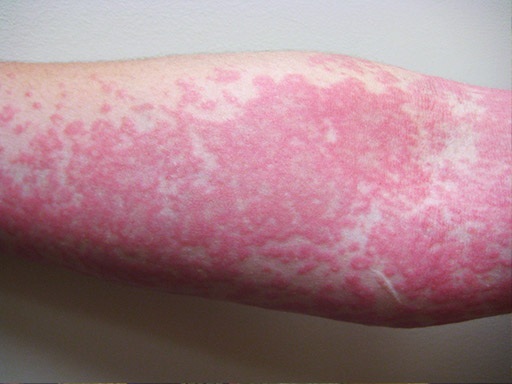
In this article, we try to cover urticaria's possible causes and risk factors and you will find your answer to whether kidney problems cause urticaria or not.Possible Causes and Risk factors associated with UrticariaUrticaria, also known as hives, is a simple form of rash in which the formation of raised, red, and itchy bumps may appear on your skin.
The causes and severity of this problem vary from person to person.
Urticaria may commonly occur due to allergy to food, medications, or other irritants.
In this condition, the localized swelling of the dermis will progress and form a rash and thus causes urticaria.The two most common allergies associated with Urticaria are;Food allergies, most commonly caused by nuts, milk, eggs, shellfish, wheat, and soy, etc.Drug allergies may occur because of intake of antibiotics, antifungals, ibuprofen or sulfonamides, etc.Rarely, hives may occur due to some common allergens like insect bites, pollen, pet dander, and latex, etc.
In other cases, a widespread eruption may occur, which can cause a rapid drop in blood pressure and causes symptoms like headaches, blur vision, fainting, etc.It is assumed that physical urticaria is believed to be related to autoimmunity; the condition is mainly chronic thus can last for years.The familiar types of physical urticaria are;Aquagenic urticaria is a rare kind of hive causing contact with water.Cold urticaria is an uncommon form that occurs due to exposure to cold.Cholinergic urticaria, also called heat rash, commonly happens due to excessive sweating and elevated skin temperatures.Dermographism urticaria is the result of friction or the firm stroking of the skin.Pressure urticaria is caused when there is excessive pressure exerted on the skin.Exposure to Ultraviolet (UV) light can cause Solar Urticaria.Vibratory Urticaria may occur due to any form of vibration like mowing the lawn or clapping, etc.StressStress is commonly linked to the progression or worsening of chronic hives.
The exact cause is unknown; however, it is believed that the release of stress hormones like cortisol may have another consequence where an underlying cause of hives is formed or activated.As stress may not directly cause hives rather, it affects the immune response, which can further cause hives.