India’s wool industry is undergoing a remarkable transformation. What was once a traditionally run sector driven by manual processes is now becoming a global example of ethical production, sustainable sourcing, and next-generation wool innovation. As consumer awareness grows and global brands demand responsible manufacturing, wool suppliers and wool textile manufacturers in India are embracing transparency, technology, and eco-friendly systems at a faster pace than ever before.
This shift is no longer optional; it’s essential. Today’s fashion and home furnishing industries require low-impact, ethically sourced, and traceable wool materials that support environmental health and fair labor practices. And India is stepping up in a major way.
In this blog, we explore how next-gen wool manufacturing is reshaping the textile ecosystem, what ethical production truly means, how leading wool manufacturers in India are adapting, and how Jindaltex contributes to building a more responsible and future-ready wool sector.
Why Ethical Wool Production Matters More Than Ever?
Ethical production is not just a trend, it’s a long-term shift in global textile supply chains. Consumer preferences have changed drastically:
- Eco-conscious buyers want environmentally safe fabrics.
- Global apparel brands demand transparency and certifications.
- Government regulations encourage sustainable manufacturing.
This means everything from animal welfare and material sourcing to dyeing, spinning, labor conditions, and waste management matters.
Ethical wool production ensures:
- Fair treatment of workers
- Responsible sourcing of wool
- Reduced environmental footprint
- Safe and traceable supply chains
- High-quality output without harmful chemicals
Indian mills and suppliers are increasingly adopting these principles, making India a competitive sourcing destination on the global map.
The Rise of Next-Gen Wool Manufacturing in India
India’s wool sector, once considered traditional, is now integrating modern technologies and eco-friendly systems to deliver:
1. Sustainable Wool Sourcing
Wool suppliers are partnering with ethically run farms that follow:
- humane animal treatment
- controlled shearing methods
- zero-cruelty wool collection
- traceability at the farm level
These practices ensure the raw material entering the supply chain is ethically sound.
2. Eco-Friendly Processing Systems
Modern wool textile manufacturers in India have adopted:
- water-saving scouring machines
- closed-loop dyeing systems
- renewable energy–powered units
- low-toxicity dyes and chemicals
Such technologies reduce environmental impact while enhancing fiber quality.
3. Digital Transparency and Supply Chain Tracking
Next-gen manufacturers integrate:
- RFID-based wool traceability
- farm-to-fabric tracking
- audit-friendly documentation
- blockchain-backed sourcing records
This transparency helps brands verify authenticity and ethical compliance.
4. Waste Reduction and Circular Wool Practices
Recycling wool fibers has become a top priority.
Wool manufacturers are reprocessing:
- leftover yarn
- trimmed edges
- discarded fibers
and converting them into high-quality recycled wool yarn. This supports India’s circular textile mission and reduces landfill waste.
5. Technology-Led Spinning and Yarn Innovation
Wool yarn suppliers are using advanced spinning tech such as:
- automated ring frames
- high-speed carding
- airflow-based cleaning
- compact spinning systems
to deliver consistent, durable, and premium wool yarns for apparel, knitwear, carpets, and home textiles.
Why India Is Becoming a Global Hub for Ethical Wool Production?
India stands out because of its:
Skilled traditional craftsmanship
combined with modern machinery and innovation.
Large-scale textile infrastructure
capable of handling big global orders.
Competitive pricing
without compromising sustainability or quality.
Strong government support
through textile parks, subsidies, and green manufacturing policies.
Faster adoption of global certifications
like OEKO-TEX®, GOTS, RWS (Responsible Wool Standard), and ISO standards.
This synergy positions India as a preferred sourcing destination for ethical wool materials worldwide.
The Role of Wool Suppliers in India’s Ethical Transition
Forward-thinking wool suppliers now focus on:
Responsible wool sourcing
from ethical farms and verified producers.
Clean manufacturing
using low-impact chemicals and efficient machinery.
Traceability documentation
that global brands demand.
Strong quality control systems
to ensure consistent fiber specifications.
Diverse product offerings
include Merino blends, worsted wool, recycled wool, and wool-acrylic mixes.
This new approach helps India meet international expectations while staying aligned with environmental goals.
How Wool Textile Manufacturers Are Innovating?
Wool textile manufacturers in India are transforming the industry through:
1. Green Dyeing & Finishing
Using:
- low-water dyeing
- enzyme-based softeners
- biodegradable finishing agents
ensures reduced pollution and softer textures.
2. Bio-Based Chemicals
Replacing synthetic chemicals with naturally derived solutions.
3. High-Performance Wool Fabrics
Manufacturing wool that is:
- lightweight
- wrinkle-resistant
- temperature regulating
- anti-odor
These features increase demand in the apparel and athleisure industries.
4. Automated Quality Measurement
Tech like optical fiber measurement ensures:
- Higher yarn strength
- better pilling resistance
- uniform color shades
How Wool Yarn Suppliers Contribute to Next-Gen Manufacturing?
Wool yarn suppliers play a major role in elevating ethical production by:
- sourcing thoughtfully
- enhancing spinning technology
- improving fiber blends
- reducing waste
- Adding recycled wool collections
These innovations support the production of premium yarns for brands seeking sustainable raw materials.
How Jindaltex Contributes to India’s Ethical Wool Future?
Jindaltex, a trusted name in the Indian textile industry, is actively contributing to this next-generation shift with a strong focus on sustainability, superior quality, and ethical production standards.
Here’s how Jindaltex leads the transformation:
1. Responsible Wool Sourcing
Jindaltex ensures that wool is sourced from farms and suppliers who follow ethical shearing and animal welfare practices.
2. Eco-Friendly Manufacturing
Their production units are equipped with:
- low-water dyeing machines
- energy-efficient technology
- chemical-safe processing systems
- reducing carbon footprint significantly.
3. Premium Quality Wool Yarn & Fabrics
Jindaltex produces high-quality wool yarns and textiles designed for:
- apparels
- blankets
- home textiles
- winter wear
ensuring durability and superior comfort.
4. Advanced Technology Integration
The company uses modern spinning, carding, and wool blending technologies to ensure consistency and innovation.
5. Commitment to Waste Reduction
By using recycling and repurposing strategies, Jindaltex supports India’s circular textile movement.
6. Traceability & Transparency
Clear documentation and ethical sourcing practices make Jindaltex a trustworthy partner for global brands.
The Future of Ethical Wool Production in India
India’s wool industry is no longer rooted in old practices—it is evolving into a globally competitive, sustainable, and next-generation manufacturing ecosystem. From wool suppliers and yarn manufacturers to advanced textile mills, every segment is focusing on transparency, technology, and ethical production.
Brands worldwide want ethically sourced, eco-friendly textiles, and India is rising to the challenge with innovation and responsibility.
Companies like Jindaltex demonstrate how next-gen wool manufacturing can be both ethically strong and commercially powerful, ensuring that the future of India’s wool sector remains bright, sustainable, and globally relevant.



At ‘Kapes’, we strongly believe in sustainability and are aiming to reduce the usage of these essential resources.
We produce kids sustainable school uniforms and other types of clothes.
Clothes are our basic necessity and if we can cut the usage of these resources, it would be a great help to our nature.
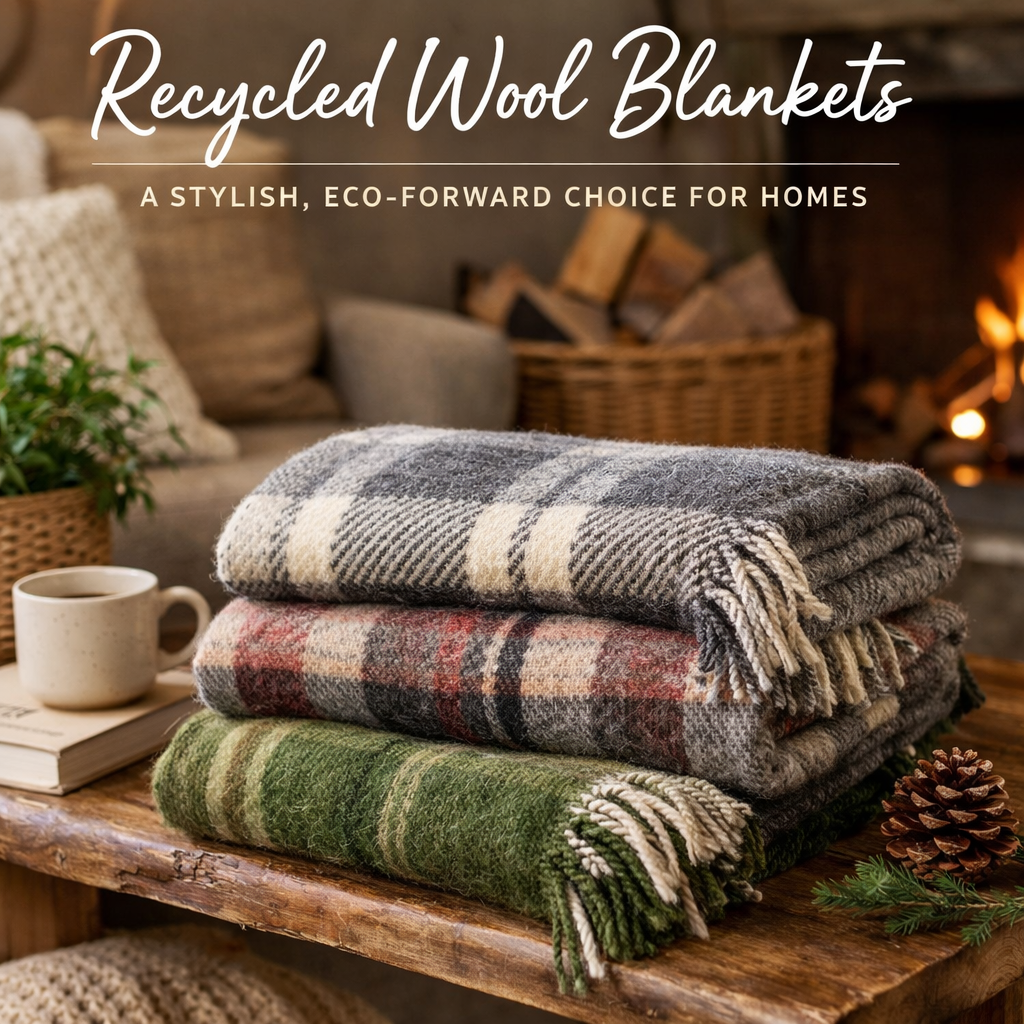
We use sustainable materials, like organic cotton, recycled polyester, recycled wool, regenerated nylon, and recycled ocean plastics as our raw materials.
This can harm our environment but by considering the following things, we can easily protect our environment and its essential resources.