The Role of Fine Motor Skills in Daily Activities
Fine motor skills play a significant role in a child’s ability to complete everyday tasks such as writing, buttoning clothing, tying shoelaces, or using cutlery. These skills rely on coordinated movements between the hands, fingers, and eyes, which can be particularly challenging for children diagnosed with dyspraxia. When these children struggle with tasks that come naturally to their peers, frustration often follows, so early intervention and ongoing support become essential for their growth and independence.
Creating a Supportive Environment at Home
A supportive home environment can significantly improve a child’s fine motor development, mainly when dyspraxia affects their confidence. Encouraging slow, steady practice and celebrating minor improvements helps children feel capable rather than overwhelmed. Families can incorporate fine motor activities into everyday routines, such as involving children in simple kitchen tasks, helping them pack their school bags, or allowing them more time to manage personal care. Predictable routines and a calm setting also reduce anxiety, allowing children to focus better on developing their coordination and movement control.
Encouraging Everyday Activities for Skill Development
Everyday activities provide natural opportunities for enhancing fine motor strength and precision. Children can be encouraged to open jars, turn taps, squeeze sponges while helping with cleaning, or handle craft materials like paintbrushes and crayons. The aim is to build coordination gradually while ensuring the child feels safe and supported. Using larger or adapted tools, such as thick pencils or easy-grip scissors, makes tasks more approachable. These tools reduce physical strain and help children gain confidence before transitioning to standard-sized items.
The Importance of Strengthening Hand and Finger Muscles
Strong hand and finger muscles are foundational to improved fine motor control. Engaging children in playful activities like squeezing stress balls, playing with modelling clay, or tearing paper can help build strength without pressure. These movements gradually improve hand endurance, allowing children to participate more comfortably in school activities like writing or drawing. Therapists often incorporate resistance-based movements into sessions to enhance muscle tone and improve grip strength, thereby increasing stability and control during detailed tasks.
Using Creative Play to Improve Coordination
Creative play helps children learn movement patterns while staying engaged and motivated. Activities such as bead threading, Lego building, drawing, and simple crafts encourage hand-eye coordination. Encouraging slow, purposeful movements helps children understand how their bodies respond during different tasks. Since children diagnosed with dyspraxia often need more repetition to build motor memory, creative play is a fun, low-stress way to reinforce essential skills.
Enhancing Bilateral Coordination
Many fine motor tasks require both hands to work together in a coordinated way. Bilateral coordination skills, such as holding paper steady while cutting or using one hand to stabilise an object while the other manipulates it, are essential for daily independence. Developing these skills takes patience, as children may initially rely more heavily on one side of the body. Activities like rolling dough, dribbling a ball between hands, or drawing large shapes that cross the body’s midline help improve symmetrical use of both hands.
Supporting Children in School Settings
School environments can present unique challenges for children diagnosed with dyspraxia, particularly when activities require precision and speed. Teachers can support students by offering additional time for written work, providing alternative options like typing, and allowing them to use adapted writing tools. Breaks during writing tasks help reduce fatigue, and seating adjustments or desk organisers can assist with posture and focus. Quiet corners or sensory-friendly spaces in classrooms also help children stay regulated and better prepared for fine motor tasks.
The Role of Occupational Therapy
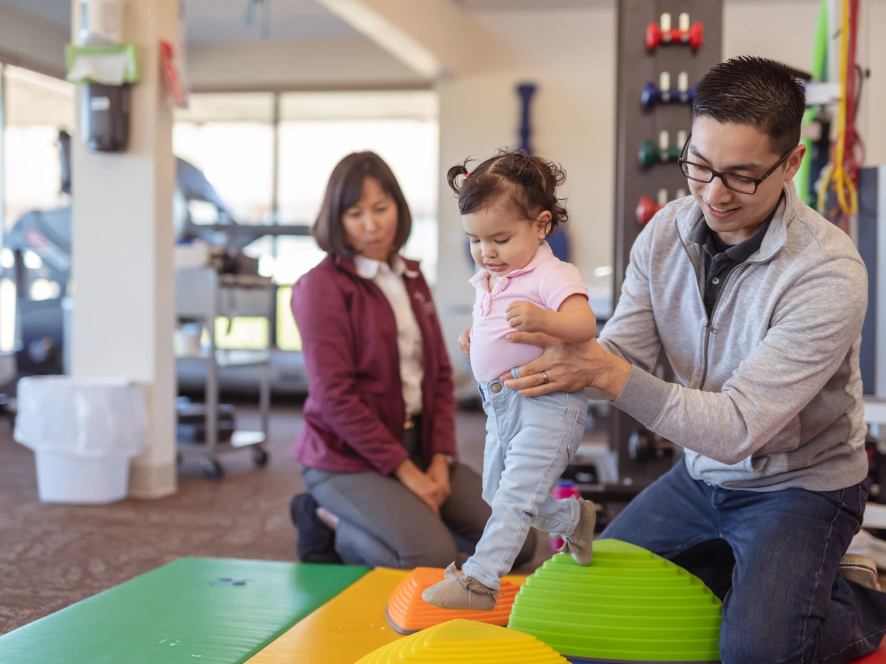
Occupational therapy plays a crucial role in supporting fine motor skills in children. Therapists assess a child’s specific challenges and tailor sessions to their individual needs. Therapy often includes targeted exercises, task-specific training, and strategies that support movement planning. An occupational therapist may also recommend assistive tools or classroom adjustments to help the child participate more confidently. Parent involvement is encouraged to help families reinforce therapeutic exercises at home, ensuring continued progress.
Building Confidence Through Positive Reinforcement
Positive reinforcement helps children develop resilience and maintain motivation. When children feel supported rather than judged, they are more willing to practise challenging tasks. Praise should focus on effort rather than perfection, reinforcing that growth takes time. Children diagnosed with dyspraxia benefit greatly from environments that recognise their achievements, encourage persistence, and provide emotional support whenever tasks feel overwhelming.