

Concrete flooring is famed for its toughness — it’s the same material that holds up our roads and driveways. When you bring it indoors, you get that same strength underfoot. No need to worry about scratches, dents, or kids dropping toys; concrete floors can take a beating.
But it’s not just about being tough. These days, concrete flooring can be an eye-catcher. With dyes, stains, and etching, that plain grey slab can become the centrepiece of your home. The price can range widely, from as low as $2 per square metre for the basics, up to $30 per square metre if you’re chasing those high-end finishes.

There are a few technical bits to consider. Concrete is heavy — not a drama if you’re pouring on ground level, but if you want to add concrete flooring over a subfloor with joists, you’ll need a structural engineer to make sure the building can support it. Lightweight concrete is an option if weight is a worry.
Why Aussies Love Concrete Flooring
One of the biggest appeals is how easy concrete flooring is to look after. Once it’s properly sealed, dirt, stains, and even spilled red wine are no issue — sweep it, mop it, and you’re sorted. It stands up to just about anything, making it a favourite for busy homes and even commercial spaces.
Design-wise, concrete flooring has come a long way. Acid stains, coloured dyes, and specialty paints let you choose anything from earthy tones to bold, custom finishes. You can even stamp or stencil it to mimic the look of tile, stone, or brick. With the right treatment, no two floors are ever the same.

Another bonus is the option for in-slab heating. For new builds or renovations where you’re pouring a new slab, you can embed heating cables or hot water pipes to keep your floors toasty even in a Melbourne winter.
Concrete flooring is also an environmentally friendly pick. It’s made locally, doesn’t chew through natural resources, and helps keep indoor air clean because it resists mould and doesn’t give off any nasty chemicals. Plus, it holds onto heat and cool air, which can help with the power bills.
The Durability Advantage: Why Concrete Floors Last
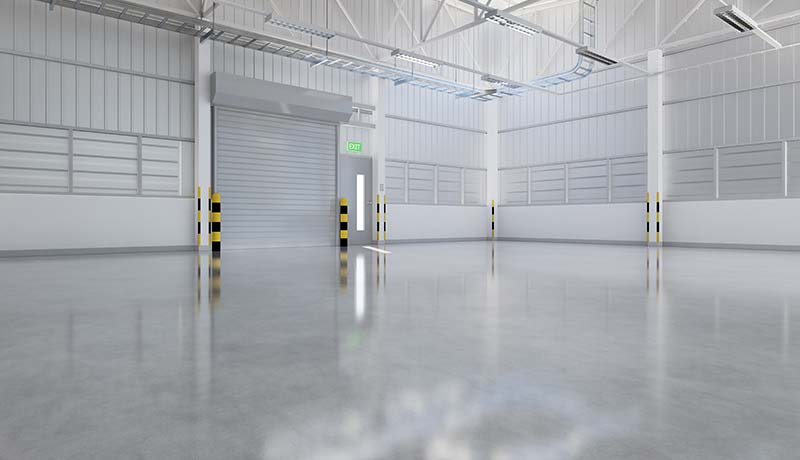
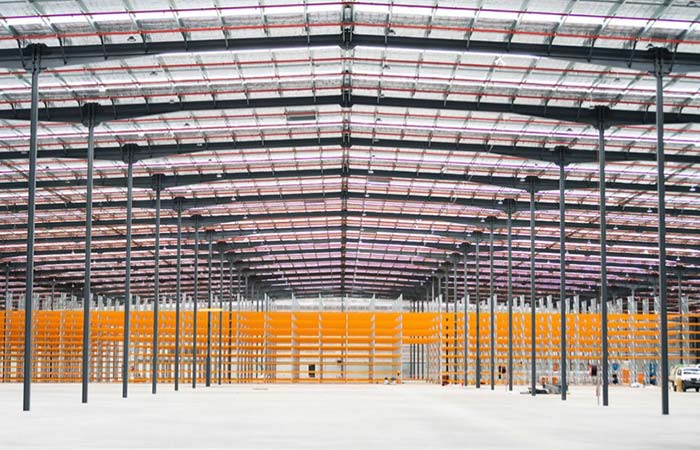
In commercial flooring, durability and longevity are non-negotiable. That’s why concrete flooring has always been a favourite for places like retail stores, warehouses, and industrial spaces — anywhere that sees a lot of foot traffic and needs a floor that can handle a beating.
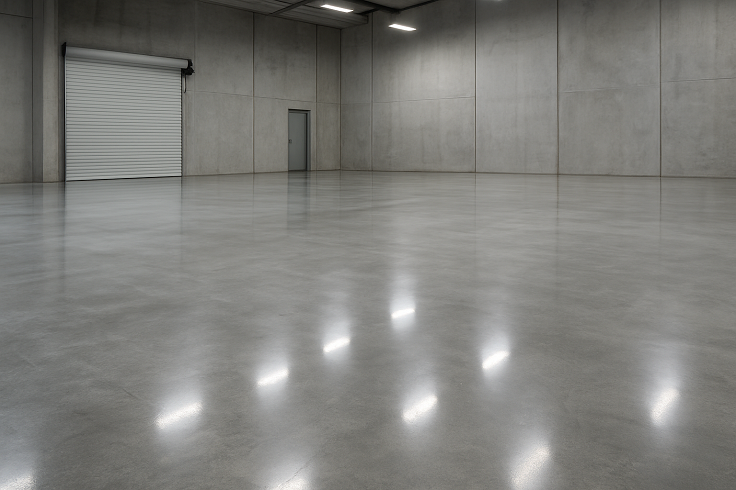
Despite the myth that concrete is too hard or not practical for certain interiors, polished concrete floors have proven themselves to be both tough and versatile. They’re up for the challenge in busy environments, offering not just resilience but also a sleek, stylish look and minimal ongoing costs. It’s no wonder so many businesses are switching to polished concrete flooring for their high-traffic areas.
What Sets Concrete Flooring Apart?
First up, concrete flooring is strong. We’re talking about a material that can take the weight of machinery, trolleys, and constant movement without copping a scratch or crack. Polished concrete floors, in particular, are popular in commercial settings because their dense surface resists dents and damage — even if you drop something heavy or deal with frequent spills.

Compared to alternatives like hardwood, bamboo, or vinyl tiles, concrete flooring stands out for its toughness and long lifespan. Once polished, the surface becomes even more resistant to stains and marks, making maintenance a breeze and keeping your floor looking sharp for years.
Another big tick for polished concrete floors is their low upkeep. You don’t need to worry about waxing, sanding, or constant repairs — a simple sweep and mop will usually do the job. And because they’re so robust, you’ll save on costly replacements or big maintenance bills down the track.
Let’s not forget cost-effectiveness. While the upfront cost of a polished concrete floor might seem comparable to other materials, the long-term savings are huge. There’s less need for repairs, and you won’t be shelling out for new floors any time soon.
Factors That Influence Longevity
The lifespan of any concrete flooring relies on a few key things: using a high-quality concrete mix, proper installation (including correct curing time), and regular maintenance. Polished concrete floors need a skilled installer to get that flawless, durable finish, but once they’re down, they’re set for the long haul.
Regular cleaning helps keep the surface in top shape, and protective treatments like sealers or epoxy coatings can add even more durability and shine. It’s smart to use entrance mats to cut down on dirt, and anti-fatigue mats where staff are on their feet all day. Choosing low-VOC sealers ensures your workspace stays safe and healthy, too.
In short, polished concrete floors aren’t just tough — they’re practical, good-looking, and built to last, which is exactly what you want in any high-traffic commercial or retail setting.
The Downsides to Keep in Mind
Of course, concrete flooring isn’t perfect. It’s hard — drop a mug and it’s gone, and it’s not exactly forgiving if you take a tumble. If you’ve got little kids or elderly family members, consider adding rugs for comfort and safety.
Moisture can be an issue, especially in basements or areas with poor drainage. If water seeps up from beneath the slab, it can make the surface damp and might damage finishes. Proper sealing and attention to outside drainage help keep this under control.
Cracks can appear over time as the slab settles or reacts to temperature changes. Most are just hairline and don’t affect the floor’s strength, and coloured grouts or patching compounds can help them blend in.
Types and Styles of Concrete Flooring
When it comes to concrete flooring, you’re not short on options. Existing slabs can be polished or stained for a fresh look, while decorative overlays can hide old damage or add new colour and texture.

You can choose from a range of colours: integral pigments mixed into the concrete, translucent stains, vibrant dyes, or even surface paints. The finish can be smooth, polished, stamped, or rough with exposed aggregate for a more rustic feel.
Cleaning and Maintenance
Cleaning is straightforward — a gentle cleaner or just vinegar will do the trick. Sweep, mop, or vacuum as needed. Outdoor concrete needs a bit more elbow grease to get rid of dirt and mildew, but it’s still low-fuss compared to other surfaces.
Pet Owners’ Dream
Concrete flooring is a winner for pet owners. It shrugs off scratches, water spills, and pet accidents, and it doesn’t absorb smells. Just pop down a few mats or pet beds for extra comfort.
What to Watch For
During installation, things can get messy, so it’s best to let the pros handle it and clean up afterwards. Concrete floors can be cold and hard underfoot, especially in winter, so rugs or carpets help make them cosier. They also need to be resealed every now and then, and you might notice an echo in big, open rooms.
The Verdict on Concrete Flooring
Complete Warehouse Solutions - At the end of the day, concrete flooring is a solid choice if you want something durable, stylish, and easy to live with. The pros easily outweigh the cons, especially when the job’s done right by professionals.
Yes, it’s hard and heavy, but it’s also affordable, eco-friendly, and offers endless design possibilities. Just weigh up your needs, and concrete flooring might just be the best fit for your Australian home.