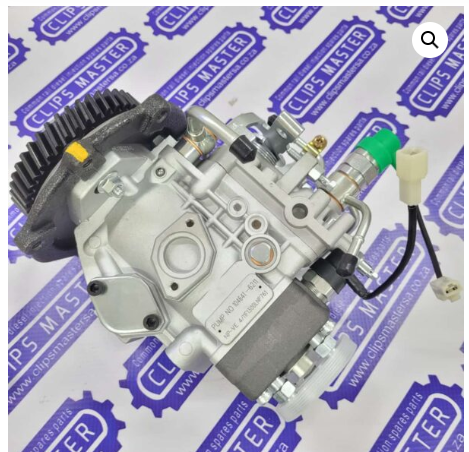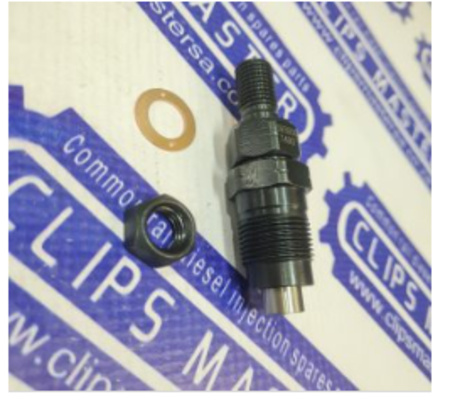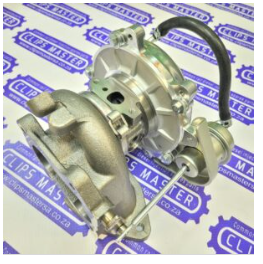
The heart of any diesel engine’s performance lies in its fuel injection system, and the central component of this complex mechanism is the diesel injector pump. Unlike gasoline engines, which rely on spark plugs for ignition, diesel engines ignite fuel through compression—a process that requires the precise atomization and timing of high-pressure fuel. This incredible precision is achieved through the unwavering performance of diesel injector pumps. Understanding their function, the signs of failure, and the necessary maintenance is crucial for any diesel owner or operator.
The fundamental role of the pump is twofold: to pressurize the fuel and to deliver a metered quantity of that pressurized fuel to each cylinder's injector at the exact right moment. Historically, engines utilized inline or rotary distributor pumps, which were mechanically driven and synchronized to the engine's rotation. Modern diesel engines, however, predominantly rely on the Common Rail Direct Injection (CRDI) system. In this setup, the high-pressure pump (often still referred to as a diesel injector pump) creates and maintains immense pressure within a common rail, from which electronically controlled injectors draw and deliver the fuel.
Pressures in these systems can exceed $2,000$ bar, highlighting the extreme demands placed on the pump's internal components.
A failing pump can quickly lead to a cascade of engine problems. Common symptoms include difficulty starting, a noticeable loss of power, excessive black smoke from the exhaust, and an engine that runs rough or splutters under acceleration. Because diesel injector pumps are typically lubricated by the very fuel they process, the quality and cleanliness of the fuel are perhaps the most significant factors in their lifespan. Even microscopic impurities or water can cause rapid wear and tear to the finely machined plungers and barrels, leading to internal leakage and a critical drop in fuel pressure.
Routine maintenance, though often overlooked, can drastically extend the life of your entire fuel system. The most important step is the regular replacement of fuel filters. These components act as the gatekeepers, preventing contaminants from reaching the highly sensitive pump. Additionally, using high-quality diesel fuel and, where appropriate, fuel additives designed to keep the system clean and lubricated is highly recommended.
The sheer sophistication of modern diesel injector pumps means that if failure occurs, replacement or professional reconditioning is often the only viable solution. Never attempt to repair or tamper with a high-pressure pump without specialist knowledge, as the stored pressure can be extremely hazardous.
Ultimately, the longevity and efficiency of your diesel engine are intrinsically linked to the health of its fuel delivery system. Treating the diesel injector pump with the respect it deserves—through clean fuel and timely filter changes—is the best way to ensure maximum power and reliable operation for years to come.