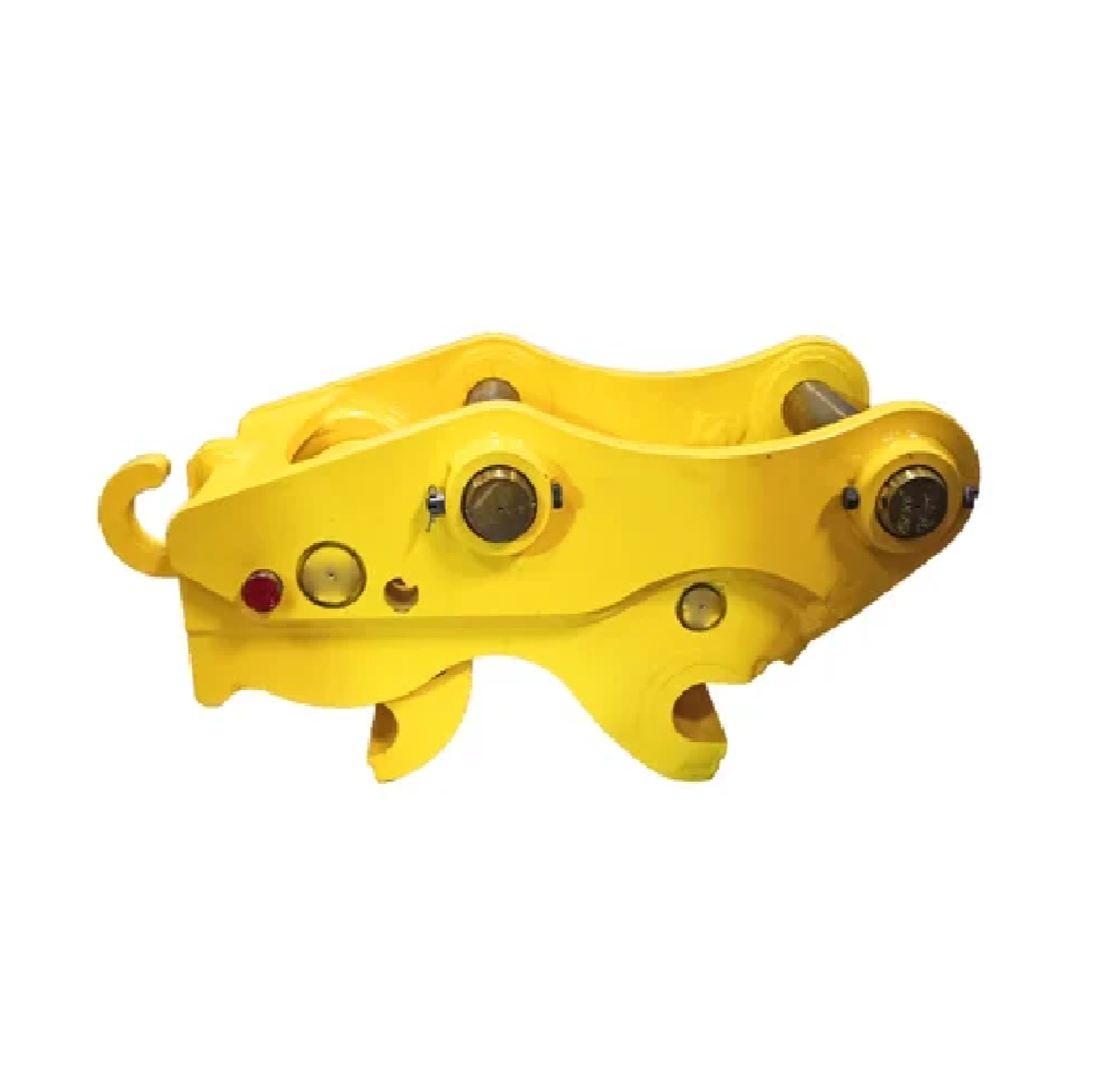
In the world of heavy construction, efficiency and safety go hand in hand. One of the most widely used tools for excavators and other heavy machinery is the Quick Coupler, a device designed to make attachment changes faster and more convenient. While it speeds up workflow and reduces manual effort, it also requires strict safety awareness to prevent accidents and equipment damage. Whether you are a seasoned operator or a new trainee, following the right safety practices can make all the difference. In this article, we will explore essential safety tips every operator should know when using a Quick Coupler on the job site.
First and foremost, understanding how the Quick Coupler functions is vital. Every operator should be fully trained on the model they are working with. Different manufacturers and machinery types may have variations in locking mechanisms, safety pins, hydraulic systems, and maintenance requirements. Before operating any equipment, always review the instruction manual, watch training videos, and, if possible, learn directly from experienced operators. Lack of knowledge is one of the most common causes of equipment misuse and safety failures.

The second and most important safety rule is always verifying that the attachment is properly locked in place. Many accidents occur because operators assume the attachment is secure without physically inspecting it. After connecting a bucket, hammer, drill, or any other attachment, step out of the cab and visually confirm the locking pins or hydraulic latch is positioned correctly. Many machines have indicator lights or audible alerts, but visual confirmation remains the gold standard. A Quick Coupler failure during lifting or digging can lead to serious injuries, equipment damage, or material loss.
Regular maintenance is another key element in Quick Coupler safety. Because it is a high-load component subjected to constant pressure, dirt, wear, rust, and hydraulic leaks can compromise its function. Daily inspection should include checking hydraulic hoses, pivot pins, locking mechanisms, and wear points. Any unusual sound, movement, or stiffness should be addressed immediately. A Quick Coupler that is not properly maintained can slowly lose locking strength and potentially release attachments without warning.
Safe operating practices also include ensuring there are no personnel near the working radius during attachment changes. Even if the operator is confident in the locking mechanism, no worker should stand underneath or beside the attachment until it has been fully tested. A simple bucket shake test is recommended after every change. Lift the boom slightly, move the attachment gently, and observe whether it remains firmly in position. If not, stop operations immediately and re-engage the lock.
Using the correct attachment for the machine and coupler is another important consideration. Attachments not designed for the specific model may not seat properly, resulting in insecure locking or uneven stress distribution. Overloading the attachment can also cause premature failure. A Quick Coupler is engineered for specific load limits, and exceeding those can lead to both safety hazards and shortened equipment lifespan.
Last but not least, always keep communication open between operators and ground personnel. Hand signals, radio devices, or visual checks should be used during every attachment change. A skilled operator combined with attentive ground support significantly reduces the risk of errors and accidents. Training new operators should also include real-world demonstrations rather than classroom instruction alone, ensuring they develop the confidence needed to handle equipment safely.
In conclusion, following proper safety steps when operating a Quick Coupler can prevent workplace accidents, protect equipment, and maximize productivity. By staying informed, performing regular inspections, confirming locking positions, and using attachments correctly, operators can work with greater confidence and efficiency. A Quick Coupler is a powerful tool on any construction site, but like all machinery, its safety depends on knowledgeable and disciplined operation.
Monty Products


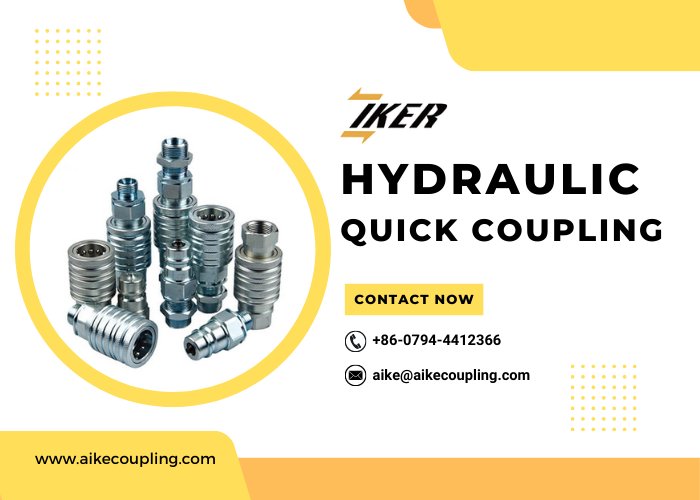
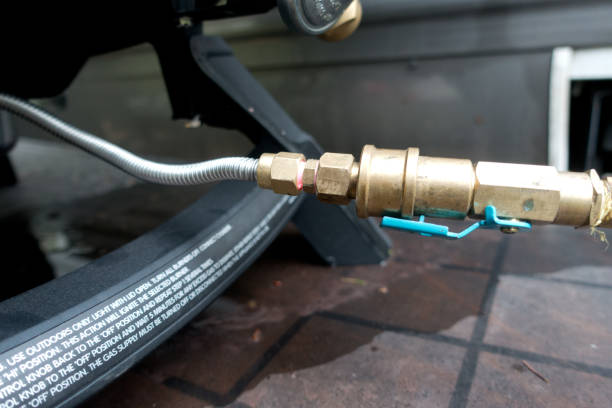
Quick disconnect couplings are a widely utilized part for several industrial fluid transfer applications.
If your application requires fluid lines to be connected and disconnected multiple times per day, purchasing a quick disconnect fitting can help make this process efficient, with minimal possibility for leaks and lost media.
With the proper quick disconnect fittings installed in your system, you can help guarantee a more efficient process, and superior end-product.
Here is some more in-depth information on quick disconnects, and how they help your industrial processing practice.
Quick Disconnect Fittings Explained Qucik disconnect fittings/couplings are widely-used industrial solutions for connecting and disconnecting fluid lines quickly, safely, and easily.
Ideal for fluid and gas lines, these parts are great at completing tasks such as fluid line transfers, fluid line shut-offs, and chemical dosing with ease.