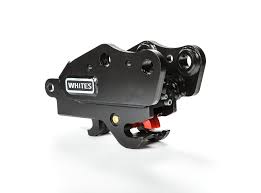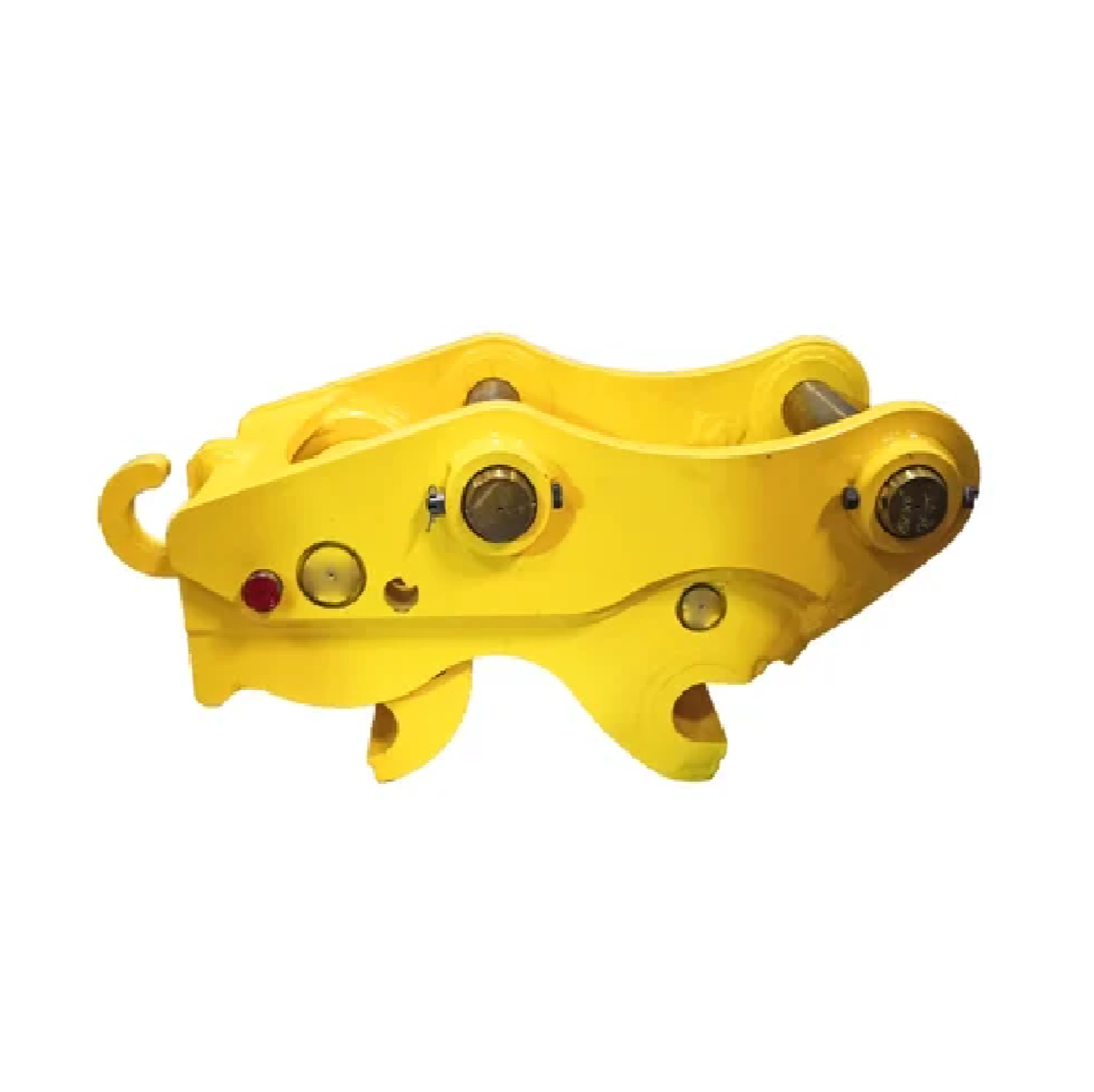
A Quick Hitch is a vital component in modern earthmoving and excavation equipment, offering fast and safe attachment changes that save time and boost productivity. As with any machinery part, its performance and lifespan heavily depend on routine care and proper usage. When maintained well, a Quick Hitch not only works efficiently but also ensures workplace safety, reduces unexpected downtime, and prevents costly repairs. Below are practical maintenance tips to help operators and contractors extend the service life of their Quick Hitch and keep their machines performing at peak levels.
1. Conduct Regular Cleaning
Worksites are full of dirt, mud, debris, and moisture that can accumulate around your Quick Hitch. This buildup can interfere with the locking mechanism, reduce hydraulic performance, and cause unnecessary wear. Make it a habit to clean the hitch daily or after heavy usage. A simple pressure wash or thorough brushing can prevent long-term damage caused by grime and residue. Clean equipment not only lasts longer but also operates more smoothly.
2. Lubricate Moving Parts Consistently
Lubrication is one of the simplest yet most effective methods to maintain your Quick Hitch. Hinges, pins, moving joints, and locking systems need regular greasing to reduce friction and prevent rust. Without lubrication, mechanical components wear out faster, leading to expensive repairs or replacement. Depending on the operating environment, apply grease daily or weekly, and always use high-quality lubricants suited for heavy construction machinery.
3. Perform Routine Visual Inspections
Before and after operation, run a quick visual inspection to spot any cracks, worn-out pins, alignment issues, missing bolts, or hydraulic leaks. A well-functioning Quick Hitch relies on precision and secure locking, so even minor faults can jeopardize safety. Early detection of wear allows operators to fix problems before they escalate. Maintaining a habit of inspection ensures consistent performance and enhances operator safety.
4. Monitor Hydraulic System Health
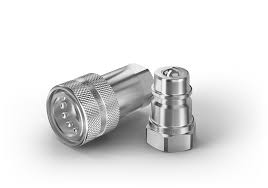
If your Quick Hitch uses hydraulic controls, regularly check hoses, fittings, pressure levels, and seals. Hydraulic leaks can weaken the hitch’s locking force, increase cycle time, and reduce overall efficiency. Replace worn hoses and keep hydraulic fluid clean and topped up. Monitoring hydraulic pressure during operation also helps detect system strain, preventing failures that could damage both the hitch and the excavator.
5. Replace Worn Pins and Bushings on Time
Pins and bushings take on heavy loads daily and inevitably wear over time. When these components become loose or elongated, the Quick Hitch may lose alignment or locking accuracy. Regularly measuring and replacing worn parts helps maintain attachment stability and prevents uneven strain on other mechanical components. Keeping spare pins and bushings on hand ensures quick servicing without causing delays.
6. Follow Proper Operating Techniques
Even the strongest machinery can be damaged by bad operating habits. Avoid using the attachment sideways for prying or dragging objects not meant for the excavator. Overloading, jerking motions, or applying force in unintended directions can stress the Quick Hitch and shorten its lifespan. Train operators to follow correct usage guidelines and respect weight limits.
Conclusion
Proper maintenance of your Quick Hitch is essential to ensure long-term performance, safety, and cost savings. By keeping the mechanism clean, lubricated, properly inspected, and operated with care, contractors can significantly extend its working life. A well-maintained Quick Hitch improves efficiency, reduces downtime, and supports seamless equipment operation across all types of projects. For reliable performance and durable attachments, always invest in high-quality products and follow consistent care routines.
Monty Products