


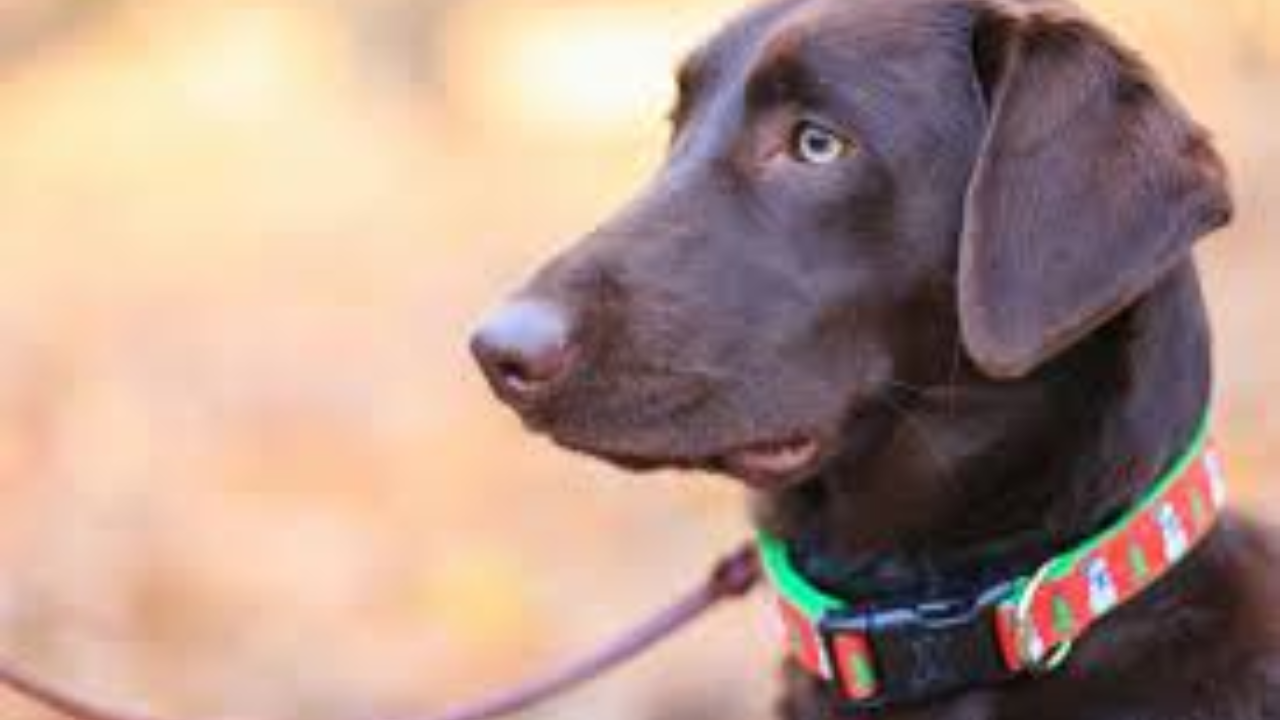
Shopping for a dog collar online should be simple, but the reality is far messier. Every product page claims “premium quality,” “extra durability,” and “maximum comfort,” yet most of these phrases are empty marketing fillers.
If you want a buy a dog collar online that genuinely fits, lasts, and keeps your dog safe, you need to look past the buzzwords and evaluate what actually matters. This guide breaks the process down clearly so you can make a confident, informed decision.
1. Start With the Only Three Features That Truly Matter
Forget the long lists of fancy claims. When choosing a dog collar online, only three aspects directly influence safety and comfort:
Material
Leather, nylon, rope, neoprene, and coated waterproof materials all behave differently.
- Leather works for comfort and longevity but varies massively in quality. Cheap leather cracks quickly.
- Nylon is practical, lightweight, and ideal for daily wear.
- Rope collars are strong but not ideal for dogs who pull.
- Waterproof materials are great for outdoor dogs but often compromise softness.
Online shops rarely explain these trade-offs clearly. You need to read material descriptions carefully and look for specifics like grade, tanning method, stitching, or coating—not vague words like “premium.”
Construction
A collar’s build determines whether it lasts a month or years. Look for clear photos of stitching, buckle attachment, metal quality, and adjustment holes.
If a product page hides close-up pictures, assume the build is weak.
Fit
This is where most people get misled. Adjustable doesn’t mean it will fit well. A well-fitting collar should sit snugly without creating pressure points or friction. Check the size chart and measure your dog’s neck honestly—don’t guess.
2. Don’t Fall for the Most Common Marketing Traps
Online listings often stretch truth. Here are the biggest red flags:
“One-Size-Fits-All”
This is never accurate. Dogs’ necks vary widely—breeds, weight, and fur density matter. Any brand claiming universal sizing is oversimplifying.
“Indestructible” or “Chew-Proof”
Nothing is chew-proof if a determined dog wants to destroy it. Look instead for material details, stitching strength, and metal hardware ratings.
“Comfort Collar”
Every seller uses this phrase. Ignore it unless they explain what makes it comfortable—padding, soft edges, rolled design, or chafe-reducing construction.
“German engineering,” “handcrafted,” or “premium craft” without proof
Quality claims mean nothing unless supported by specifics. Real craftsmanship is shown through close-up images, reputable materials, and verified customer reviews—not poetic copywriting.
3. Evaluate Safety Features, Not Just Style
A good collar should keep your dog safe during walks, training, and daily wear. Look for:
- Secure buckles (metal or high-strength plastic)
- Reinforced stitching around load points
- Reflective strips for low-light visibility
- Smooth edges to avoid chafing
- Proper D-ring placement to prevent twisting
If any of these are missing or unclear on the product page, keep scrolling.
4. Use Online Reviews the Right Way
Reviews can help you—but only if you read them critically.
Look for patterns, not individual comments
- Too many complaints about frayed stitching? Walk away.
- Multiple reviewers saying the sizing runs small? Adjust your choice.
- Several comments praising comfort, even after months of use? That’s a strong signal.
Ignore photos that look staged
Focus on real-user photos showing wear and tear, buckle condition, and actual fit.
Beware of perfect 5-star averages
Authentic premium products usually have a mix of reviews, not flawless ratings.
5. Compare Collars Based on Your Dog’s Behaviour
Forget generic “best collar” lists. Your dog’s behaviour should dictate your choice.
For pullers or escape artists
You need more control. Look at martingale collars or consider switching to a no-pull harness.
For active, outdoor dogs
Durability and water resistance matter more than style. Choose nylon or coated waterproof collars.
For sensitive-skinned dogs
Soft leather, neoprene-lined collars, or rolled designs reduce irritation.
For puppies
Lightweight, adjustable nylon collars are safer and more practical until they stop growing.
6. Pay Close Attention to Sizing and Measurement
This is the most overlooked step—and the biggest reason customers regret their purchase.
Always:
- Measure your dog’s neck with a soft tape.
- Add two fingers' space for comfort.
- Match the number to the middle of a sizing range, not the edges.
Brands with precise sizing charts and clear instructions signal a higher level of care and expertise.
7. Don’t Get Distracted by Over-Styled Photos
A collar can look fantastic in modelled images but fail in real-life use. Focus on:
- Close-upS
- Material texture
- Hardware quality
- Stitch details
- Thickness and edge finishing
If the listing hides these details, assume the brand is compensating for weak craftsmanship.
Final Thoughts
Comparing dog collars online isn’t about flashy colours, trending designs, or marketing lines that sound premium. It’s about analysing the fundamentals—materials, construction, safety, and fit. Brands that are confident in their quality will always show detailed photos, provide clear sizing guides, and explain their material choices without hiding behind buzzwords.
If you evaluate collars with this mindset, you’ll avoid costly mistakes and end up with a collar that truly supports your dog’s comfort and safety—not just one that looks good in an ad.




Look for an extensive selection of dog leashes, collars and harnesses right here at Pets Marathon.
We have a collection of very stylish dog collars and dog leashes with us that can compete for your own accessories.
With different sizes, colors and prints, it is possible to match collars and leashes with the wardrobe of your dog or even yours.
Our collars and leashes are designed considering you and your pet's convenience, when you walk the pet.
The new and improved designs offer maximum control while ensuring comfort to your pet.
Check out our various categories of leashes, harness and collars that offer great support and comfort for your pets while you have full control over them.