

Non-fungible tokens, or NFTs, entered the digital ecosystem as a method to assign ownership to unique items on the blockchain. In the early stages, most NFTs were static images, generative artworks, or simple digital assets. Over time, the NFT landscape expanded to include gaming assets, virtual land, brand collectibles, tickets, and identity-based items. Then artificial intelligence began to influence blockchain development. The arrival of AI-powered NFTs marks a new step where digital tokens are no longer fixed or unchanging. Instead, they can adapt, learn, and evolve based on data inputs, algorithms, and user interactions.
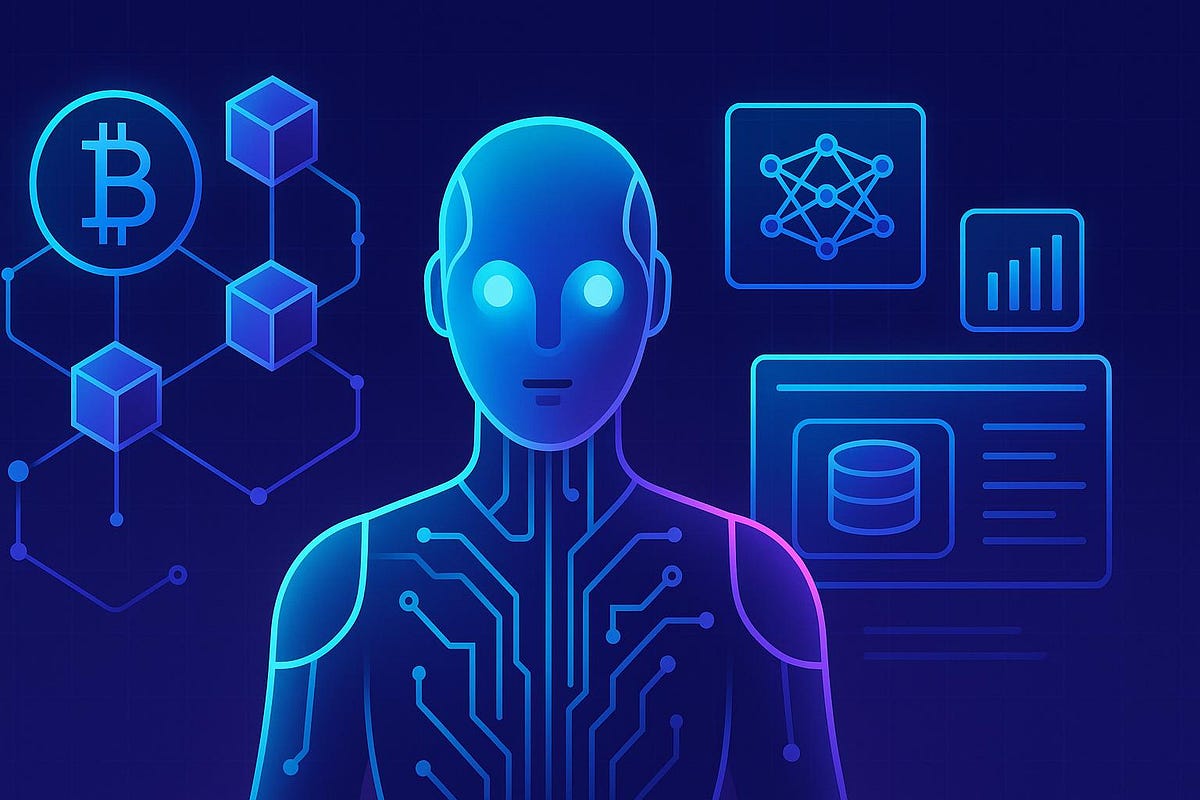
AI-powered NFTs combine machine intelligence with tokenized ownership. This combination gives digital assets the ability to respond to environments and change their characteristics without needing full human intervention. While the idea appears new, the underlying logic is straightforward. AI processes data and generates outputs. Blockchain records ownership and ensures authenticity. When both interact, they create NFTs that operate with more autonomy. This approach expands what creators, brands, enterprises, and developers can deliver in the Web3 space.
Understanding the Shift Toward AI-Driven NFTs
Traditional NFTs depend on predefined metadata. Once minted, the attributes stay the same unless developers manually update them or create dynamic logic inside smart contracts. AI-driven NFTs introduce another layer where algorithmic behavior plays a role in shaping traits. Instead of limited rules, they can use training models, pattern recognition, and automated decision-making to update attributes. The shift from fixed to adaptive digital assets allows wider application across industries.
AI algorithms can analyze user behavior, market conditions, in-game performance, environmental changes, or any relevant data input. Based on the model’s instructions, the NFT can modify itself. For example, a game character NFT can increase its skills after consistent interactions. A music NFT can change its rhythm based on user activity. A profile NFT can update its appearance based on real-world data. These examples show that AI-powered NFTs are not only more flexible but also more functional for long-term engagement.
The rise of AI-based tools has also influenced crypto token development. Developers now integrate machine learning into token logic to automate supply adjustments, dynamic utilities, fraud detection, and user-specific responses. The integration ensures that AI is not a separate layer but part of the digital asset structure. As a result, NFTs, tokens, and smart contracts can operate with better precision and adaptive capabilities.
How AI Enhances NFT Utility and Functionality
The utility of NFTs has often been tied to scarcity, ownership, and community reputation. AI extends that utility by allowing NFTs to perform actions that reflect real-time data and personalized logic. This creates tokenized assets that are more relevant in sectors like gaming, branding, digital identity, and entertainment.
One important enhancement is the ability to create evolving digital collectibles. These collectibles can reflect user engagement, achievements, mood patterns, or performance metrics. Another is AI-based personalization, where NFTs adjust based on user history. For example, a digital avatar NFT could alter its expression, skills, or accessories by analyzing interactions on platforms. The change is not random; it follows machine learning predictions or specific datasets.
AI’s ability to generate new outputs also helps creators. Instead of artists manually designing every variation, AI models can generate content based on style parameters or user preferences. This approach reduces the workload while offering continuous novelty. Smart contracts ensure that ownership rights and revenue distribution remain transparent. This balance between AI generation and blockchain verification supports a more efficient creative ecosystem.
AI also helps with authentication. NFTs rely on blockchain immutability, but counterfeit attempts can still occur on external platforms. Machine learning can scan markets, detect duplicate patterns, and alert creators or platforms. This adds another level of safety and complements blockchain’s native security features.
AI-Powered NFTs in Gaming and Virtual Worlds
Gaming is one of the first sectors where AI-powered NFTs demonstrate strong benefits. In traditional play-to-earn models, assets often rely on fixed values or predictable game mechanics. When AI enters the process, game NFTs become more responsive. Characters can learn from user strategies. Weapons can change based on in-game progress. Virtual land can adapt to ecosystem conditions or user activity.
AI-driven behavior creates game characters that operate without constant scripting. They can analyze battle outcomes, learn from player moves, or adapt to new strategies. This makes gameplay more challenging and encourages players to build skills. The NFTs store these improvements, increasing player investment and long-term engagement.
Virtual worlds also gain from AI-powered NFTs. Land NFTs can generate new resources, assign tasks, or introduce environmental changes depending on the world’s overall activity. This brings dynamism to metaverse ecosystems. Developers who work in crypto token development often integrate AI models directly into world-building systems. This allows the metaverse to operate with automated updates instead of static digital maps.
For game studios, a token development company can assist in creating AI-based logic that aligns with game design. This includes smart contract integration, dynamic metadata frameworks, and training models suited for real-time updates. As games become more advanced, AI-powered NFTs will support deeper user engagement and economic stability.
AI-Generated Artwork and Creative Assets
Art was one of the early drivers of NFT adoption. With the arrival of AI tools, digital art creation has expanded. AI-generated artworks can use style training, pattern recognition, and generative techniques to produce new compositions. When paired with NFTs, the artwork gains a verified identity and a clear ownership structure.
AI-powered art NFTs can continue evolving after minting. This differs from early generative collections where randomness was defined before minting. Now, the NFT can update its style, color, texture, or theme based on owner interaction or external data. The artwork does not lose its original identity; instead, it gains adaptive qualities.
Creators can also set rules where the NFT evolves based on milestones, such as ownership duration, secondary market activity, or completion of certain tasks. This transforms art into a long-term interactive asset rather than a static digital file. For marketplaces and creators, AI-driven art brings new opportunities for user engagement and collection growth.
The combination of AI creation and blockchain verification also reduces the risk of disputes. The original artwork and its variations can be traced through smart contracts, offering clarity on ownership and originality. This supports a healthier digital art ecosystem.
Real-World Applications Beyond Art and Gaming
AI-powered NFTs are gaining traction in industries that value personalization, automation, and secure ownership structures. A few areas where adoption is increasing include identity, finance, branding, and enterprise workflows.
Digital identity NFTs can use AI to verify user attributes. Instead of storing static identity data, identity NFTs can update based on age, membership levels, professional certifications, or real-world activity. The blockchain ensures that the identity is secure and owned by the individual. AI ensures the identity remains relevant and updated.
In finance, AI-driven NFTs can represent portfolios or user-level financial profiles. These NFTs can analyze performance metrics and offer insights. Although financial advice must follow regulations, data-driven analysis stored as tokenized assets can streamline portfolio tracking.
Brands and enterprises can issue AI-powered loyalty NFTs. These tokens can adjust rewards based on customer activity or transaction history. Instead of fixed reward points, AI can set dynamic reward tiers. This leads to greater retention and stronger customer engagement.
Enterprises can also use AI-driven NFTs for workflow automation. An NFT can represent a license, certificate, digital twin, or contract. AI can track usage data, validate milestones, and update contract terms when needed. This reduces manual intervention and increases operational efficiency.
The Role of Blockchain and Smart Contracts in AI-Powered NFTs
Blockchain supports transparency, security, and ownership. AI supports adaptability and logic. Smart contracts function as the bridge connecting these systems. Developers who specialize in crypto token development build smart contracts that outline how AI interacts with tokenized assets.
Smart contracts can define:
how often the NFT updates
what data fields AI can modify
which external sources provide data
limits on trait changes
rules for revenue distribution
identity validation requirements
This ensures that AI operates within secure boundaries. Without smart contracts, AI-based updates could occur without proper control or transparency. With blockchain, every update action is logged, enabling users to track the evolution of their NFTs.
Another important part is decentralized storage. AI-driven NFTs require metadata that updates frequently. Storing this metadata on-chain may be expensive, so decentralized storage systems support the data while blockchain stores the hash for verification. This combination keeps assets secure and traceable.
A token development company can help integrate machine learning with blockchain frameworks. This includes selecting proper model formats, designing metadata systems, and connecting external data feeds. The partnership ensures that NFTs evolve in a reliable and structured manner.
Challenges in AI-Powered NFT Development
The integration of AI and NFTs also comes with challenges. One challenge is ensuring that AI models operate with clear limits. Without defined boundaries, AI could update NFTs in ways that do not match user expectations. Smart contract rules must be precise and well-tested.
Another challenge is managing data privacy. AI models require data to function. When NFTs evolve based on user behavior, developers must ensure that sensitive information remains protected. Zero-knowledge proofs and encryption techniques can help minimize exposure.
Scalability is another factor. AI processes require computational power, and frequent NFT updates can increase transaction volume. Developers need to balance user experience with network limitations. Layer-2 networks or off-chain compute solutions can support AI tasks while keeping blockchain operations stable.
A final challenge is maintaining authenticity. AI-generated outputs could resemble other works or trigger copyright concerns. Developers must ensure that training models are built responsibly and that generated outputs follow compliance rules.
The Future of AI-Powered NFTs
AI-powered NFTs represent a natural evolution in the Web3 ecosystem. As tokenized assets gain utility, adaptability becomes a priority. Machine intelligence allows NFTs to respond to real-time data, making them more useful in gaming, identity, branding, enterprise operations, and digital ownership models.
The-growing integration of AI and blockchain also influences broader crypto token development. Developers now experiment with AI-driven supply adjustments, dynamic utilities, automated governance, and predictive analysis. These developments indicate that the future of digital assets will include more autonomy and real-time intelligence.
In the long term, NFTs may operate as digital agents. They may manage assets, negotiate terms, track performance, or execute tasks with minimal user input. This shift will depend on how developers build frameworks where AI and blockchain work together. As more companies adopt Web3, AI-powered NFTs will likely become standard tools for personalization and automation.
For businesses, working with an experienced token development company can help create scalable AI-based frameworks that align with strategic goals. This ensures that digital assets are secure, functional, and easy to manage as the technology continues to evolve.
Conclusion
AI-powered NFTs show how machine intelligence and tokenized assets can work together to form more adaptive and functional digital tools. Instead of static collectibles, NFTs can now evolve, learn, and respond to real-world data. This creates new use cases in gaming, art, identity, branding, and enterprise operations. With careful design, AI-driven NFTs can offer long-term value and support new models of digital engagement.
As AI continues to grow and blockchain expands, the fusion of these technologies will shape the next stage of digital ownership. Businesses, creators, and developers exploring this space can benefit from strong frameworks, reliable smart contracts, and support from teams experienced in crypto token development. The movement toward AI-powered NFTs is only beginning, and its impact will influence how digital assets operate in the years ahead.